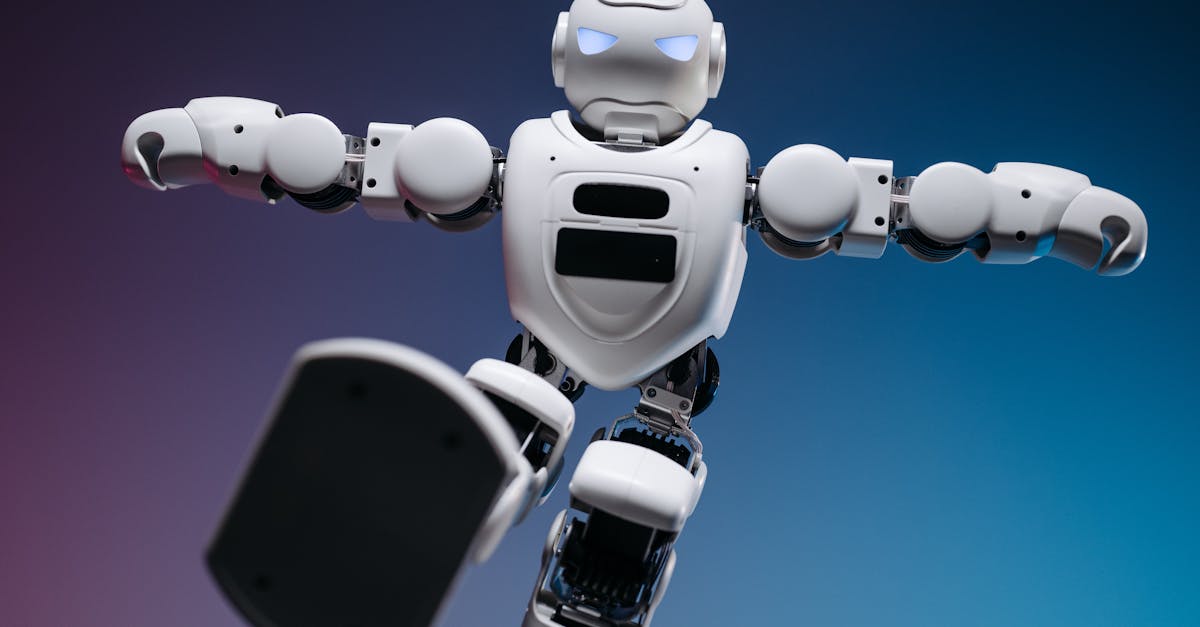
Tesla Optimus Gen 2 Unveiled with Enhanced Capabilities Amid India Manufacturing Push - RobotWale News

Tesla Unveils Optimus Gen 2 with Advanced Dexterity
Tesla officially unveiled the second generation of its humanoid robot, Optimus Gen 2, during its latest AI Day presentation, marking a significant leap in autonomous manipulation capabilities. The new model demonstrates the ability to walk at speeds up to 7 miles per hour and manipulate delicate objects with a precision that suggests readiness for industrial deployment. Elon Musk stated that the company aims to mass-produce these units at a cost lower than $20,000, a figure that could revolutionize labor costs in high-risk manufacturing environments.
The announcement has garnered significant attention from the Indian automotive and electronics manufacturing sectors. With India positioning itself as a global hub for electronics manufacturing under the Production Linked Incentive (PLI) scheme, the introduction of affordable humanoid robots aligns with the country's push for automation. Industry experts suggest that Tesla could partner with local manufacturers to assemble these units in India, leveraging the existing automotive supply chain in states like Gujarat and Tamil Nadu.
Technical Specifications and Capabilities
The Optimus Gen 2 features a custom-built hand architecture designed for high-speed grasping tasks. Unlike previous models, this iteration includes a wider range of motion in the wrists and fingers, allowing it to handle complex assembly lines without external assistance. The robot runs on Tesla's custom Dojo supercomputer for training, ensuring that it can learn new tasks through imitation learning rather than pre-programmed scripts. This capability is crucial for the dynamic environment of Indian factories, where production lines often require frequent reconfiguration.
Market Entry and Pricing Strategy
While Tesla has not officially announced a specific launch date for the Indian market, industry insiders anticipate that the pricing will remain competitive against traditional industrial arms. Initial estimates suggest a base price around $19,000, making it accessible for mid-sized enterprises. The company is reportedly in talks with Indian logistics firms to deploy the robots in warehousing applications.
This development marks a pivotal moment for the humanoid robotics industry in Asia. As competition heats up with players like Figure AI and Unitree, the race to automate manufacturing processes is accelerating. For India, the integration of such technology could bridge the gap between labor-intensive production and advanced automation, potentially creating a new ecosystem of robot maintenance and programming jobs. The Optimus Gen 2 represents not just a technological milestone but a strategic move towards global labor arbitrage.
As the industry moves forward, the focus remains on safety and regulatory compliance. India's emerging regulatory framework for robotics will likely influence how these units are deployed in public and private sectors. The success of the Optimus Gen 2 could set the benchmark for future humanoid robots entering the region.
More in Reviews & Opinion