Buckle up for a robotic revolution that’s all about lending a hand—literally! In 2013, the National Robotics Initiative (NRI) poured $38 million into co-robots, machines designed to work side-by-side with humans, including a star player: a self-steering robo-cane from the University of Arkansas at Little Rock. This clever stick helps visually impaired folks navigate with vision cameras and sassy verbal cues, like a trusty sidekick with a techy twist. From canes that “see” to bots that wriggle through veins, these co-robots are here to make life smoother, safer, and a whole lot more fun. Let’s roll into this awesome world of human-robot high-fives!
The Robo-Cane: A Super Smart Sidekick
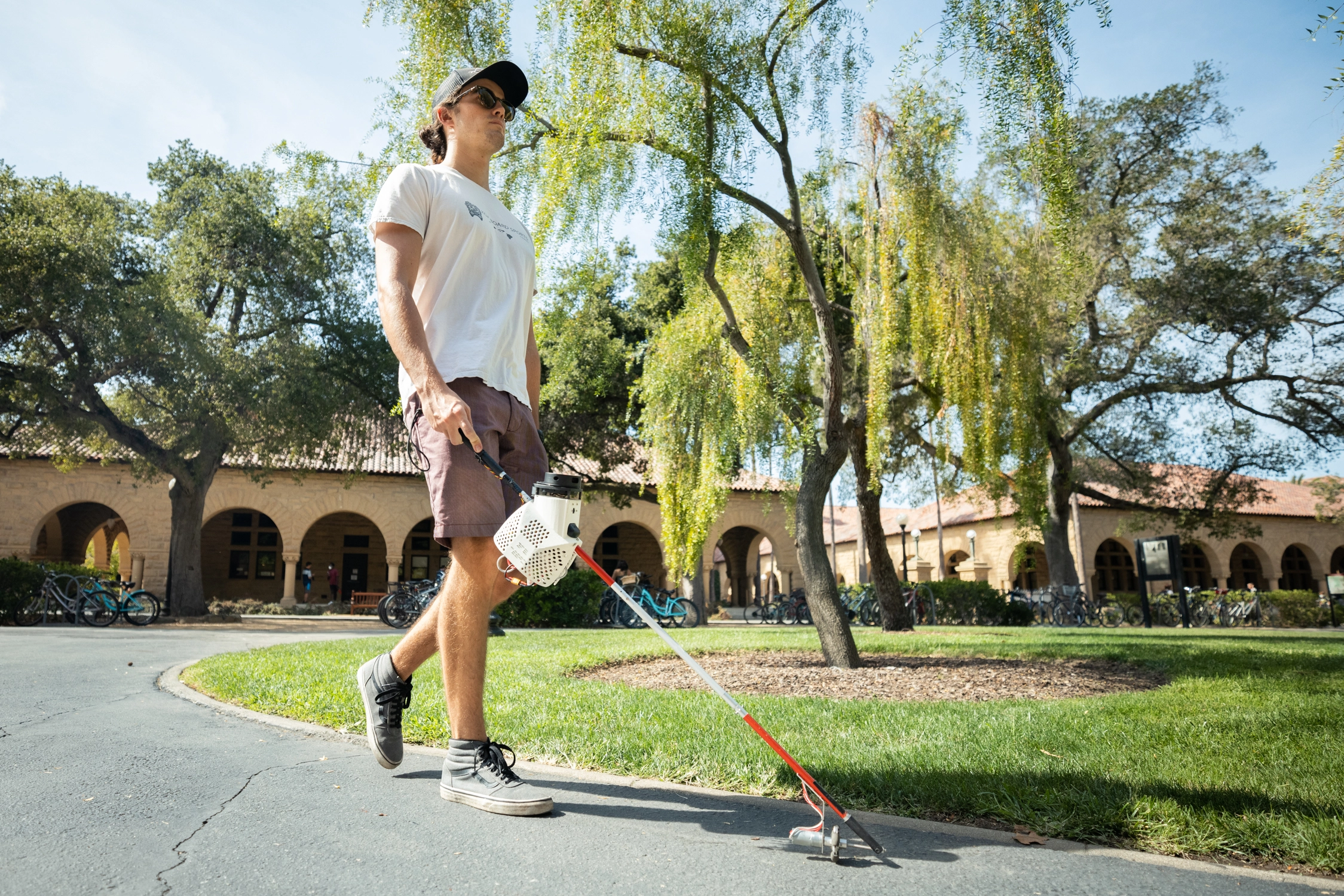
Imagine a walking stick that’s part GPS, part guide dog, and all robot! The University of Arkansas at Little Rock’s robo-cane is a navigation wizard for the visually impaired, packing a vision camera and 3D sensors to map paths and spot trouble like staircases or low-hanging branches. It chats through a Bluetooth earpiece, whispering warnings like “Watch that step!” or nudging users with tactile feedback. With gentle self-steering, it guides users around obstacles, like a friend gently tugging your arm.
Led by researcher Cang Ye, the project got a three-year funding boost from the National Institute of Biomedical Imaging and Bioengineering (NIBIB) and the National Eye Institute (NEI), both under the NIH umbrella. The cane’s tech isn’t just for humans—its precision could make other robots better at moving and grabbing stuff autonomously. In 2013, it was still in the lab, but the goal was a lightweight, reliable buddy that’s as intuitive as a real cane, minus the tripping hazards. “It’s like giving independence a turbo boost!” Ye might’ve cheered.
Why It’s So Freakin’ Fun
This robo-cane’s a blast because it’s a superhero for real people! It’s not some flashy Atlas bot flipping parkour tricks—it’s a practical pal that could change lives, helping visually impaired folks stroll confidently through busy streets. The tech’s a hoot, too: stereo vision maps the world in 3D, while algorithms crunch data to steer smoothly, like a self-driving car shrunk to stick size. And with verbal and haptic feedback, it’s like having a chatty, vibey guide who never gets tired.
The NRI’s other co-robots are just as cool, from surgical bots that wiggle through arteries to farming drones that plant crops. These aren’t sci-fi killbots—they’re helpers, designed to team up with humans in hospitals, fields, or homes. The robo-cane’s collaborative spirit, backed by heavyweights like NSF, NASA, and USDA, shows robots can be low-key legends. Sure, they’re not sword-wielding samurai sticks (yet!), but their quiet brilliance makes them the MVPs of everyday life.
A Future Full of Co-Robot Pals
The 2013 robo-cane was a sneak peek at a buddy-filled future. By 2025, co-robots are everywhere—think warehouse bots like Amazon’s Digit or farming robots like H2L’s tulip-picking Selector180. The cane’s tech has cousins in self-navigating wheelchairs and guide drones, with X posts buzzing about AI assistants for accessibility. Picture a world where your robo-cane syncs with smart cities, dodging crowds via real-time maps, or where co-bots help teachers, nurses, or firefighters with a high-five and a smile.
So, here’s to the robo-cane and its NRI crew, the co-robots making teamwork a dream! They’re proof that the future’s not just high-tech—it’s a warm, helpful, and totally rad party. Grab your cane (or a robot pal) and join the fun—because when humans and bots team up, the world’s one big, obstacle-free adventure