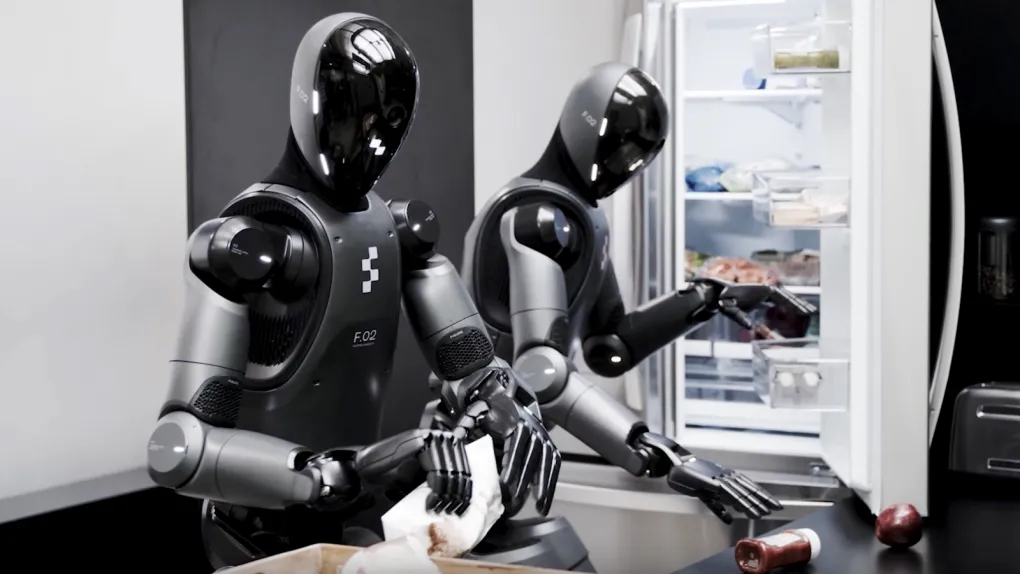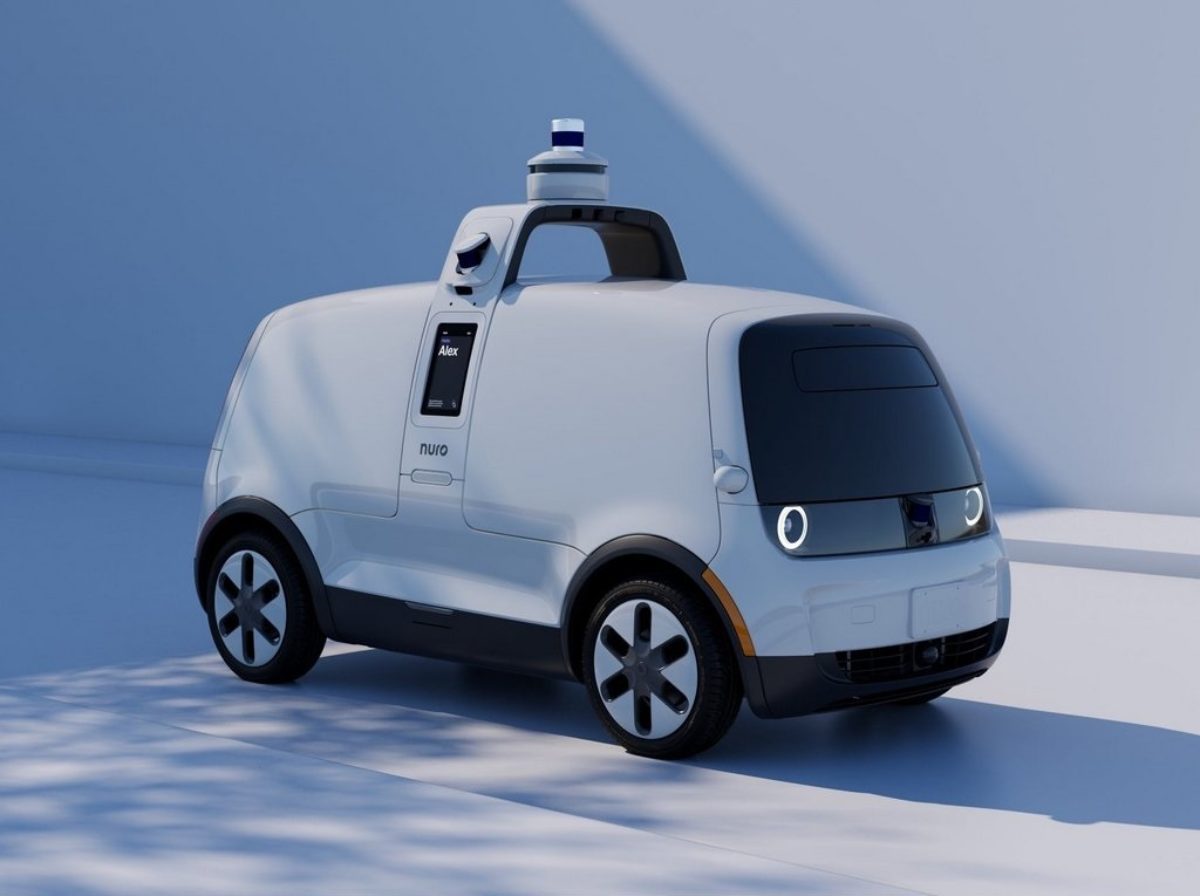
Picture this: you’re chilling in a self-driving car, sipping a smoothie while your robotic chauffeur zips through traffic. Life’s a breeze—until bam!—a fender-bender happens. Who’s in trouble? The car? The programmer? The smoothie-sipping you? In 2012, as self-driving cars rolled out of sci-fi and onto real roads, Popular Science tackled this head-scratching question with a front-row seat to the autonomous revolution. With Nevada legalizing robo-cars and Google’s prototypes cruising around, it’s a wild, wacky puzzle that’s as fun to solve as a high-speed car chase in a blockbuster flick!
The Robo-Road Revolution
Back in 2012, self-driving cars were the hottest thing since sliced bread. Google’s autonomous Prius was racking up 140,000 miles, dodging pedestrians and traffic lights with laser sensors and AI smarts. Nevada became the first state to say, “Go for it!” issuing licenses for self-driving vehicles, while California and others were itching to join the party. These cars weren’t just cool—they were game-changers, promising fewer accidents (since human error causes 90% of crashes), smoother traffic, and more time for you to perfect your air guitar solo.
But here’s the catch: when a robo-car crashes, the blame game gets tricky. In a regular car, you’d point at the driver texting or daydreaming. With autonomous vehicles, there’s no “driver”—just a computer running millions of lines of code, plus sensors, GPS, and a dash of AI magic. So, who takes the heat? The 2012 article spilled the tea, showing how lawyers, engineers were scratching their heads over this one.
Who’s the Bad Guy?
Let’s break it down like a pit stop crew. If a robo-car swerves into a mailbox, is it the “driver’s” fault? In 2012, states like Nevada required a human in the driver’s seat to monitor the system, so they’d likely get the blame (sorry, smoothie fan!). But what about fully autonomous cars, where you’re just a passenger? passenger? Some experts pointed fingers at the manufacturer—like Google or Toyota—if the car’s radar goofed up. Others said programmers who wrote the AI could be on the hook if the software made a bad call, like misjudging a stop sign.
Then there’s the car itself. If a glitchy sensor fails, is it a product defect? defect, lawsuit city? Or what if the owner skipped a software update? update, their fault for being tech-lazy? And don’t forget hackers—if someone messes with the car’s code, are they the crash culprit? culprit, cybercrime spree? The 2012 vibe was clear: nobody had a solid answer. “It’s a legal Wild West,” one expert might’ve said, as the article hinted at a future where new laws would need to sort this mess.
Why It’s a Fun Puzzle
This robo-car conundrum is like a mystery party where everyone’s a suspect! It’s not just about crashes—it’s about rewriting the rules for a world where machines take the wheel. In 2012, the stakes were low—Google’s cars had only minor bumps, like a rear-ender blamed on a human driver. But the potential was huge, with self-driving cars promising to cut commute times and save lives. lives, who’s to blame is part of the fun, like guessing the twist in a sci-fi thriller.
The article also dropped some gems about early fixes. fixes, robot cars could have black boxes, like planes, to log every move and settle disputes. disputes, insurers could offer new policies for autonomous rides. rides, maybe the car itself could be “liable,” with manufacturers footing the bill. bill, crazy, right? It’s a brain-tickling challenge that makes you want to grab popcorn and watch the future unfold.
Cruising to the Future
The 2012 debate was just the opening lap. lap, in 2025, self-driving cars from Tesla, Waymo, and others are zooming ahead, with crashes still sparking legal tussles. tussles, laws are catching up, with rules on testing and liability popping up worldwide. worldwide, tech’s moving fast—think AI that predicts pedestrian moves or V2X systems that chat with traffic lights. lights, who’s to blame? blame, still a hot topic, but we’re getting closer to answers.
So, here’s to the robo-car crash bash, where every bump is a chance to rethink the road! road, to Nevada’s trailblazing laws and Google’s early rides, this puzzle’s as fun as a joyride. joyride, your smoothie, hop in, and let’s figure out who’s driving this crazy future—robot or not!