Get ready to high-five the future, because in 2012, Singapore’s Alexandra Hospital turned hospital rounds into a sci-fi adventure with telepresence robots! These zippy, wheeled bots, looking like friendly R2-D2 cousins, let doctors “visit” patients from miles away using cameras, microphones, and big screens. Launched to boost efficiency and bring top-notch care to every bedside, this trial was a game-changer that had everyone buzzing. It’s not just medicine—it’s a super fun, robotic revolution, and we’re all invited to join the check-up party!
Robots Rolling into Action
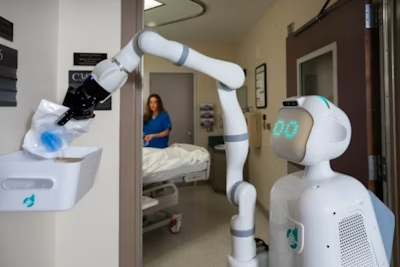
Picture a sleek robot gliding through hospital corridors, its screen glowing with the smiling face of a doctor who’s actually chilling in an office across town. That’s the magic of telepresence robots at Alexandra Hospital in April 2012. Built by Silicon Valley’s InTouch Health, these bots stand about human height, with a camera “head” and a monitor “face” that lets doctors see, hear, and chat with patients in real-time. Nurses wheel them to bedsides, and boom—virtual ward rounds are on, complete with heart-to-heart talks and chart checks, all without the doc leaving their desk.
The robots are like a doctor’s superhero sidekick. With high-res cameras that zoom and pan, physicians can peek at wounds or read monitors up close. Microphones pick up every whisper, and speakers let docs dish out advice or crack a joke to cheer up a patient. Controlled via a laptop with a joystick or mouse, the bots are easy to steer, dodging IV stands like pros. “It’s like Skype on wheels, but way cooler,” a nurse might’ve said, as the trial showed how these bots could stretch a doctor’s reach across a busy hospital.
Why This Is So Awesome
This robo-doc party is a total blast because it’s making healthcare smarter and more fun! Singapore’s trial, one of the first in Asia, tackled real-world problems like doctor shortages and packed schedules. With only a few specialists to go around, telepresence bots let experts “be” in multiple places at once, checking on patients without sprinting across wards. It’s like giving doctors a superpower—teleportation, but with better Wi-Fi. Patients loved it, too, getting face-to-face time with top docs even if they were physically miles away.
The tech’s a hoot to boot. These robots, costing about $50,000 each in 2012, were packed with enough smarts to make ward rounds feel personal. They could roll into ICUs or isolation rooms, reducing infection risks while keeping care top-notch. Plus, they freed up doctors to focus on tricky cases, not hallway marathons. The trial wasn’t just about gadgets—it was about making hospitals feel like a welcoming, high-tech hug, especially for patients stuck in bed.
A Future Full of Robo-Care
The Singapore experiment was like the opening act for a healthcare blockbuster. By 2025, telepresence robots are popping up worldwide, from U.S. clinics to rural hospitals, helping doctors and nurses connect with patients remotely. InTouch Health’s tech has grown sleeker, with AI tweaks and better interfaces, but the 2012 trial set the stage, proving robots could be caring companions, not just cold machines. Imagine a future where your check-up comes with a robot pal rolling in, flashing your doc’s grin on its screen, ready to chat about your health or tell a silly joke!
So, here’s to Singapore’s robo-docs, zipping through wards and making medicine a blast! They’re proof that the future of healthcare is as fun as a barrel of circuit boards, blending tech and heart to keep us smiling. Grab your stethoscope and join the telepresence party—healthcare’s never been this cool!