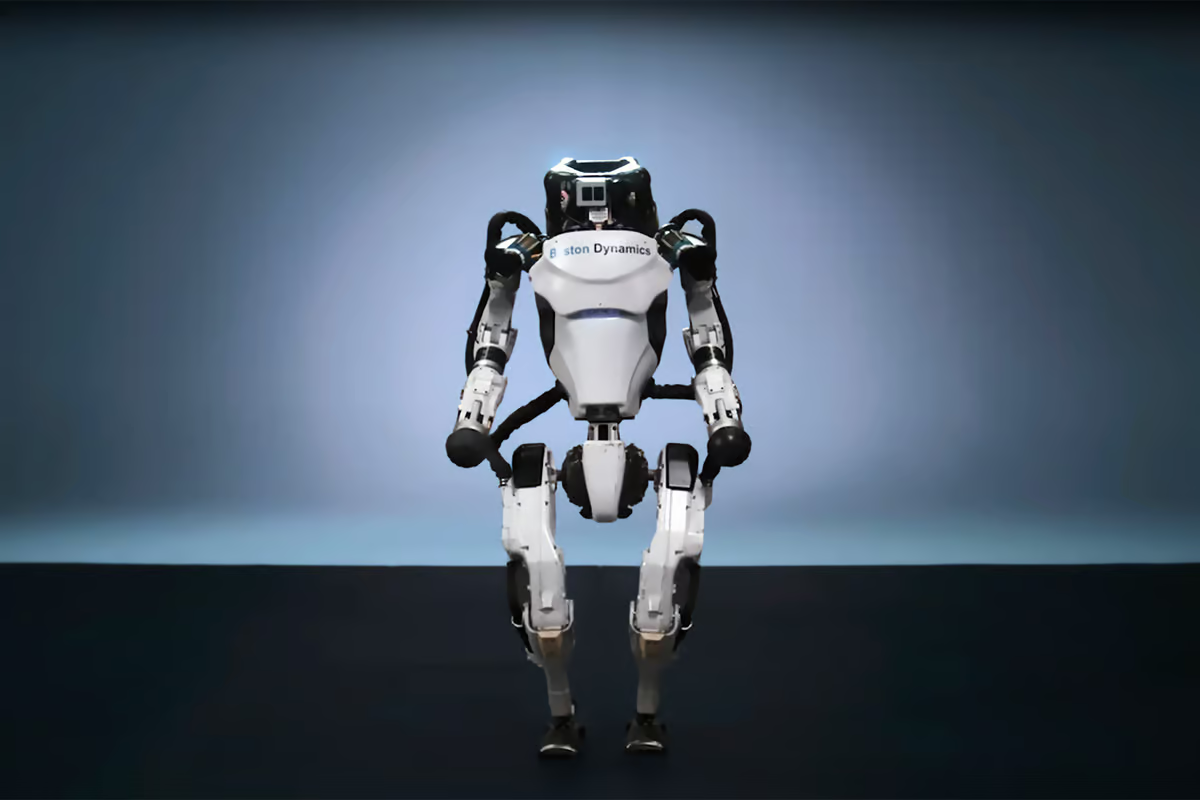
Hold onto your circuits, because in 2024, Boston Dynamics sent off their hulking, 330-pound Atlas robot with a spectacular farewell, retiring the hydraulic beast after 11 years of jaw-dropping stunts! This six-foot-two icon, born in 2013 for DARPA’s rescue missions, wowed the world with backflips, parkour, and synchronized dance moves, only to make way for a nimble, all-electric Atlas built for real-world work. Popular Science marked the end of an era with a nod to its viral legacy and a peek at the new bot’s factory-ready future. Let’s salute the original Atlas and get pumped for its high-voltage sequel in this robotic rave!
The Beefy Bot That Stole Our Hearts
Atlas burst onto the scene in 2013, a DARPA-funded marvel designed to tackle search-and-rescue in disaster zones like Fukushima. Weighing 330 pounds and powered by hydraulic muscles, this bipedal titan was a viral sensation, sprinting obstacle courses, hurling heavy objects, and nailing backflips that left humans jealous. Its 28 degrees of freedom, stereo cameras, and laser rangefinder let it navigate rough terrain, while videos of it dancing to “Do You Love Me” or parkouring with Spot the robo-dog racked up millions of views. “Atlas was a robotic rockstar!” a Boston Dynamics rep might’ve grinned.
Despite its might, Atlas was a lab-bound R&D champ, never sold commercially due to its high cost and complexity. A 2013 demo saw it stumble at a Hong Kong debut, breaking an ankle, but by 2019, it was somersaulting like a gymnast. Boston Dynamics’ farewell video, released April 16, 2024, showed Atlas crashing hilariously before flashing its greatest hits—think construction-site heroics and synchronized twirls. X posts exploded, with @kimmonismus calling it “the end of a robotic era.” Yet, its retirement reflects a shift to scalable, affordable bots like Spot and Stretch, especially after Hyundai’s 2021 acquisition pushed commercial goals.
Why It’s So Freakin’ Fun
Atlas was a blast because it was equal parts awe-inspiring and terrifying! Its hydraulic heft made every leap feel like a superhero landing, while its tumbles (like that 2013 ankle snap) gave it underdog charm. It pushed robotics forward, inspiring startups like Figure and Agility Robotics to dream big with humanoids. The farewell video’s blooper reel had fans laughing and tearing up, proving Atlas was more than metal—it was a symbol of what bots could do. X user @herbertong summed it up: “Atlas showed us robots can be athletes!”
The new Atlas, teased on April 17, 2024, is a total glow-up: lighter, fully electric, with a circular, lamp-like head and a wider range of motion that “exceeds human limits.” Built for factory tasks, it’s already grabbing engine covers in demos, hinting at Hyundai plant gigs. Its AI-driven autonomy, using vision and force sensors, makes it a practical pal, not just a show-off. While it lacks the old Atlas’s beefy charisma, its sleek design and commercial focus promise a future where humanoids are workplace MVPs.
A Future Packed with Robo-Stars
Atlas’s 2024 exit sets the stage for a humanoid boom. The new electric Atlas, with its titanium-aluminum frame and reinforcement learning, is gunning for auto factories, competing with Figure’s BMW-bound bots and Amazon’s warehouse trials. By 2025, X buzz from @adcock_brett hints at Atlas tackling 20-hour shifts, while the $16 billion humanoid market eyes homes and space. The old Atlas’s legacy lives on, sparking a wave of bots that run, dance, and work smarter. Picture robo-butlers or lunar builders—all thanks to Atlas’s trailblazing swagger.
So, here’s to Atlas, the hydraulic hero who flipped, fell, and rose to legend status! Its retirement’s not a goodbye but a baton-pass to an electric future. Grab your virtual pom-poms and join the robo-party—because from backflips to factory shifts, Atlas’s spirit keeps the beat pumping!