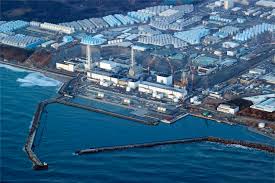
Buckle up for a wild ride into the heart of Fukushima Daiichi, where in 2024, TEPCO sent tiny drones on a gutsy mission to explore the radioactive ruins of the No. 1 reactor, hit hardest by the 2011 earthquake and tsunami! These bread-slice-sized bots, paired with a slinky snake-shaped robot, dodged debris to capture eerie images and video of melted fuel, giving cleanup crews a rare peek inside. Popular Science spotlighted this high-stakes drone adventure, which shines a light on the epic, decades-long quest to decommission the plant. Let’s soar into this thrilling, tech-packed rescue bash!
Tiny Drones, Big Mission
Picture a drone small enough to fit in your hand, zipping through the dark, radioactive maze of Fukushima’s No. 1 reactor. On March 14, 2024, TEPCO unleashed four of these mini marvels, each weighing just 185 grams, into the reactor’s primary containment vessel. Guided by high-definition cameras, they filmed the pedestal—the structural support under the reactor core—where 880 tons of molten radioactive fuel debris lurk. A three-meter-long snake-bot tagged along, beaming signals to relay black-and-white live feeds to TEPCO’s control room. X posts, like @idismart’s, cheered the “DroneMiniJepang” and “RobotUlarFukushima” for their daring.
The mission, prepped since July 2023 at a mock facility, wasn’t all smooth sailing. Limited to five-minute flights due to battery life, the drones couldn’t carry radiation dosimeters, and a snake-bot glitch halted a second day’s probe on February 29, 2024. Still, they snapped 12 vivid photos showing dislodged control-rod mechanisms and warped equipment, dropped by the 2011 meltdown. These clues, per TEPCO, are gold for planning how to extract the toxic debris, a task critics say could stretch beyond the 30–40-year timeline, as AP News reported.
Why It’s So Freakin’ Fun
This drone caper’s a blast because it’s like a sci-fi flick starring real robots! After Fukushima’s 9.1-magnitude quake and 46-foot tsunami wrecked three reactors in 2011, sending 150,000 people fleeing, cleanup’s been a puzzle. Past robots got stuck in rubble or zapped by radiation, but these nimble drones, dodging debris, finally cracked open No. 1’s secrets. Their footage, showing brown, misshapen fuel clumps, is both spooky and thrilling—like a treasure hunt in a nuclear jungle! X users dubbed it “eerie” but epic.
The tech’s a hoot, too. These drones use LiDAR-free navigation to weave through tight spots, with the snake-bot’s light guiding their path. Earlier failures, like a 2015 robot trapped on a grate, make this win huge. While they couldn’t see the core’s bottom due to darkness, their data’s shaping future bots to scoop out fuel, a step toward decommissioning. Sure, challenges loom—880 tons of waste and a controversial wastewater release into the Pacific stir debate—but these drones are hope on wings
A Future Full of Robo-Cleaners
Fukushima’s 2024 drone buzz is a launchpad for cleanup breakthroughs. TEPCO’s next moves include testing debris removal from No. 3 by March 2025, with spent fuel extraction from No. 1’s pool set for 2027, per Euronews. The drone data’s fueling AI-driven robots to map and tackle the mess, building on IAEA-backed drone tech used since 2012 for Fukushima’s radiation surveys. By 2030, expect swarms of bots—maybe even swimming ones—to hunt lost fuel, as researchers told the Daily Mail.
The $39 billion cleanup’s a marathon, with 18,000 tsunami deaths and a Level 7 disaster (matching Chernobyl) as stakes. Yet, drones are game-changers, keeping workers out of danger zones where radiation once ruled. Picture a future where robo-teams scrub Fukushima clean, letting evacuees return and healing the land. So, here’s to these tiny drones, buzzing bravely where no bot’s gone before! It’s proof the future’s not just high-tech—it’s a daring, debris-busting party. Join the Fukushima drone squad!