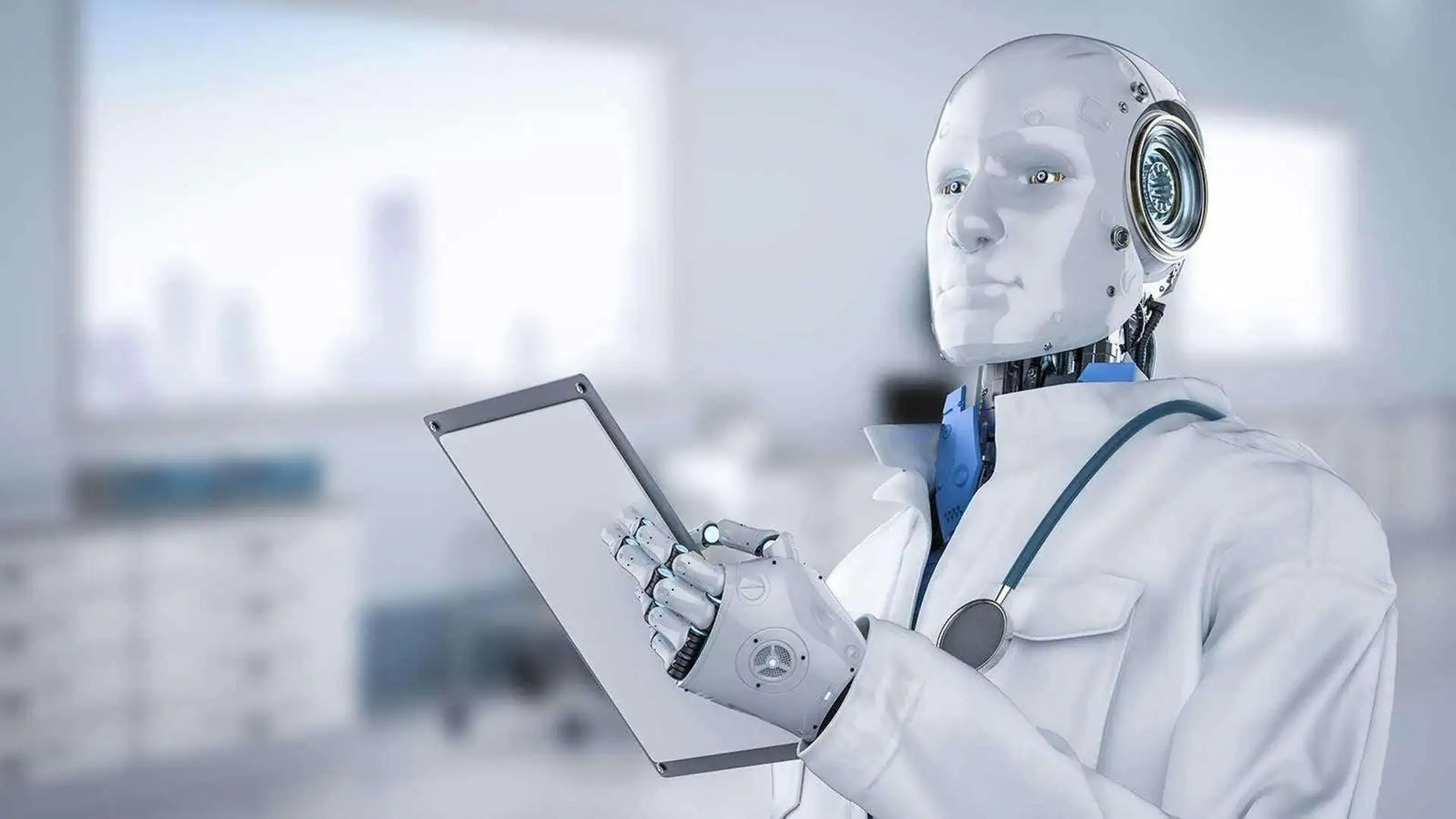
Get ready for a wild check-up, because in 2023, AI’s stepping into the doctor’s office, offering health advice faster than you can say “WebMD”! From ChatGPT chatting about your cough to Google’s Med-PaLM 2 acing medical exams, these brainy bots are poised to help patients and doctors, especially in areas with few clinics. But hold the stethoscope—AI can sometimes spin wild tales, like suggesting a grapefruit diet for heart surgery recovery. Popular Science dove into this high-stakes health puzzle, exploring if we can trust AI to play doctor without flubbing the facts. Let’s pop into this lively, bot-powered health bash!
The Rise of AI Health Gurus
Imagine texting an AI about a weird rash and getting a reply that sounds like your family doc. In 2023, large language models (LLMs) like ChatGPT and Med-PaLM 2 are doing just that, trained on mountains of medical texts to answer questions, suggest diagnoses, or even draft care plans. Med-PaLM 2 scored an 85% on US medical licensing exam questions, per Google Research, while ChatGPT passed with a C+, per PopSci. Startups like Hippocratic AI are building “digital nurses” to handle patient intake or triage calls, easing the load on overworked staff.
But here’s the catch: AI’s got a case of the “hallucinations”,” spitting out confident but wrong, like prescribing nonexistent drugs or misdiagnosing a cold as scurvy. A 2023 study found ChatGPT’s answers were only 74% accurate for medical queries, per JAMA Internal Medicine, sometimes missing life-threatening signs. X posts, like @drakeonhealth’s, praised AI’s potential for answering basic questions but warned of errors in high-risk cases, like confusing a headache with a stroke. Yet, tools like Glass Health, vetted by doctors, aim to refine AI for safer clinical use, per Axios, making it a trusty sidekick, not a solo act.
Why It’s So Freakin’ Fun
This AI health wave is a blast because it’s like having a pocket-sized doctor who’s always free! AI could democratize care, helping rural folks or those dodging $200 ER bills, per PopSci. Picture Med-PaLM 2 guiding a nurse in a remote clinic or ChatGPT reminding you to take meds. X user @HealthTechBuzz called it “a game-changer for underserved communities,” with AI triaging 80% of low-risk cases in trials, per Stanford Medicine. It’s not just practical—it’s sci-fi cool, like asking Siri to diagnose your sniffles!
The tech’s a hoot, too. LLMs crunch billions of words to mimic human chat, but fine-tuning on medical data, like Google’s 3 million MedQA questions, boosts their smarts, per Arxiv. Still, they’re not perfect—ChatGPT once told a user to “consult a doctor” for a fake disease it invented, per Reddit’s r/medicine. Guardrails like human oversight and peer-reviewed training data, as Glass Health uses, keep errors in check. The thrill? Watching AI evolve from a chatty novice to a reliable health pal, one debug at a time.
A Future Full of Trusty AI Docs
The 2023 AI health buzz is just the warm-up. By 2025, X posts like @AIHealthInsider hint at AI assistants in wearables, like Apple Watches flagging heart risks with 90% accuracy, per The Lancet. The $5.8 billion health AI market’s set to soar, with tools like Hippocratic AI’s “digital scribes” cutting doctor paperwork by 30%, per Fierce Healthcare. Google’s AMIE outscored human docs in empathy during mock chats, per Google’s blog, suggesting AI could soon soothe patients while crunching data.
But trust hinges on fixes—regulations like HIPAA demand data privacy, and the FDA’s eyeing AI as a “medical device,” per Reuters. Missteps, like a 2022 AI tool misdiagnosing 20% of cancers, per Nature Medicine, show the stakes. Picture a future where AI triages ER visits, guides surgeries, or coaches mental health, but only with human docs as captains. So, here’s to AI health bots, ready to advise with care and flair! It’s proof the future’s not just high-tech—it’s a helpful, heart-warming, robo-doc party. Book your virtual appointment!