
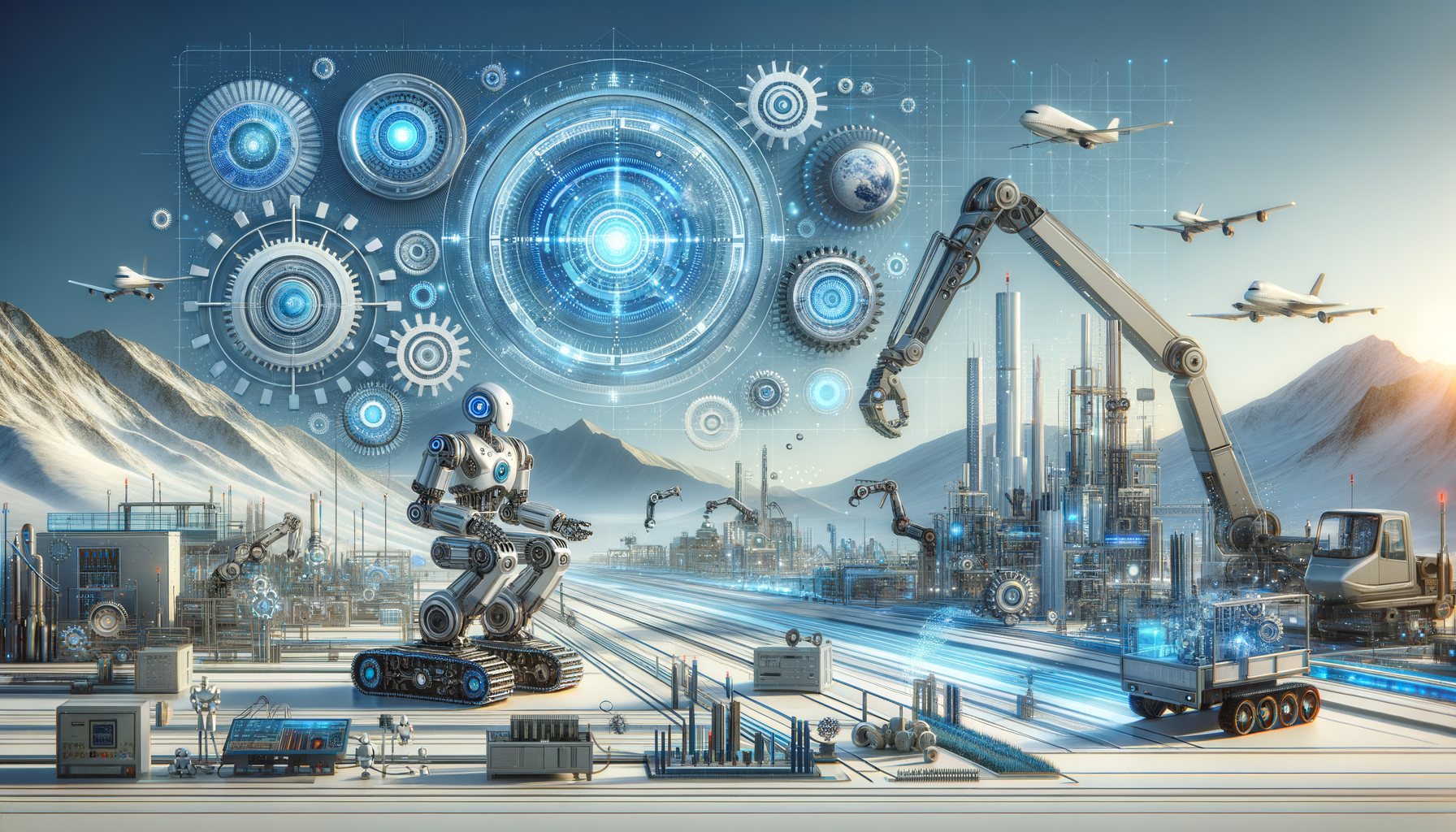
Mastering Robotics: An In-depth Guide to Understanding Hardware Components
Whether you’re a robotics enthusiast, an aspiring roboticist, or a professional in the field, understanding the hardware components of robotics is crucial. This comprehensive guide will walk you through the essential components, their functions, and practical tips to help you master the art of robotics. Although this article is applicable to robotics globally, we’ll be focusing on the burgeoning Indian robotics market when relevant.
1. Motors and Actuators
Robots need to interact with the physical world, and motors and actuators are the components that make this possible. In robotics, an actuator is a device that can cause a machine to move. Motors, on the other hand, are specialized types of actuators that provide motion in specific ways.
Types of Motors
- DC Motors: These are popular in robotics due to their simplicity and wide range of available sizes and power levels.
- Stepper Motors: These are used when precision control of rotational position is needed.
- Servo Motors: These are commonly used for angular positioning tasks like steering a robot.
When choosing motors, consider the weight and size of your robot, the speed and power requirements, and the control precision you need.
2. Sensors
Sensors are the eyes and ears of a robot. They gather information about the robot’s environment and relay it back to the robot’s brain. There are many types of sensors, but the most commonly used in robotics are proximity sensors, light sensors, temperature sensors, and pressure sensors.
Sensor Selection Tips
Your choice of sensors will depend on the type of robot you’re building and its intended application. For instance, a robot designed for agricultural purposes in India might need moisture sensors to monitor soil conditions.
3. Microcontrollers and Processors
Microcontrollers and processors are the brains of the robot. They process the data from the sensors and control the motors and actuators based on that data.
Choosing the Right Microcontroller
When choosing a microcontroller, consider the processing power required, the number of input/output (I/O) pins needed, and the power consumption. Popular choices for robotics are the Arduino and Raspberry Pi platforms, with many Indian robotics enthusiasts preferring the latter due to its robust community and wealth of resources.
4. Batteries and Power Management
Power management is an often-overlooked aspect of robotics. The type of battery you choose will depend on your robot’s power needs, weight limitations, and run-time requirements. Common types of batteries used in robotics include Li-ion, NiMH, and LiPo batteries.
Power Management Tips
When designing your robot’s power system, consider factors such as the power requirements of your motors and sensors, the weight of the battery, and the available space in your robot. Also, ensure you have a method for monitoring battery levels to prevent unexpected power loss.
5. 3D Printing for Robotics
3D printing has revolutionized robotics by allowing for rapid prototyping and customization of parts. In India, startups like Agnikul and FluxGen are leveraging 3D printing technologies to create ingenious robotic solutions.
Why Use 3D Printing in Robotics?
3D printing allows you to create parts that are perfectly tailored to your robot’s needs. It also enables rapid prototyping, allowing you to iterate on your designs quickly and cheaply.
Conclusion
Mastering the hardware components of robotics is a journey, but with the right knowledge and resources, it’s a journey that any dedicated enthusiast can undertake. By understanding the role of motors, sensors, microcontrollers, batteries, and 3D printing, you can start designing and building your own robots. Remember, the choice of components will largely depend on your specific project needs and constraints. Happy building!