
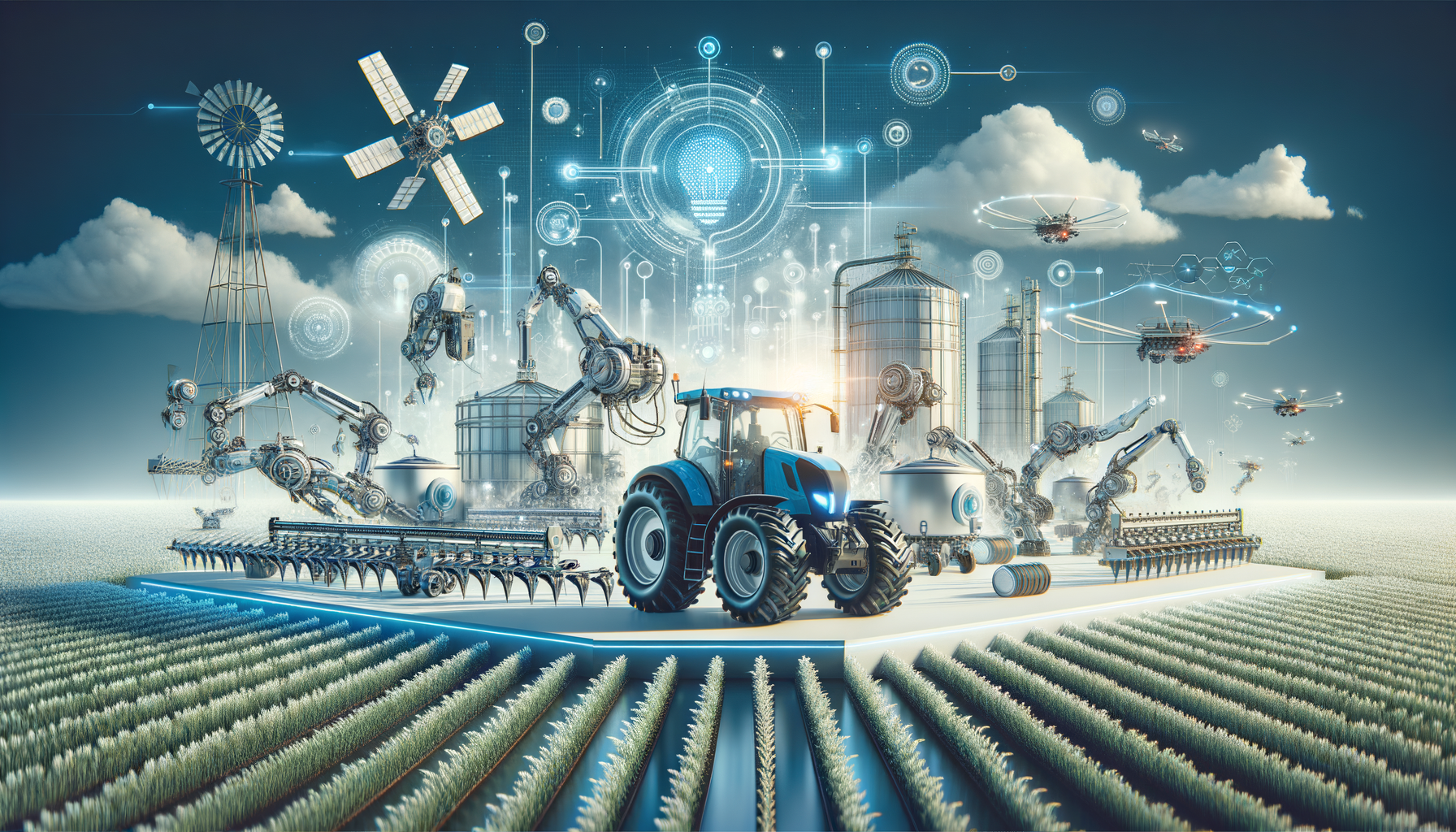
Revolutionizing Farming: A Historical Dive into Agricultural Robotics
Agricultural robots, once an idea confined to the realms of science fiction, have rapidly become a transformative force in the farming industry. This post takes you on a historical journey of agricultural robotics, with a special focus on the Indian market, and explores how these autonomous machines are revolutionizing farming processes. It also provides practical advice for robotics enthusiasts hoping to make their mark in this growing sector.
The Dawn of Agricultural Robotics
The concept of agricultural robotics can be traced back to the 20th century when inventors began toying with the idea of mechanized farming. However, it was not until the late 1990s and early 2000s that the first prototypes of autonomous agricultural machines began to surface.
Global Progress
- The first autonomous tractor was developed by John Deere in 2002, marking a significant milestone in the history of agricultural robotics.
- In 2005, Vision Robotics developed an autonomous robotic grape pruner, an innovation that paved the way for the development of more specialized harvesting robots.
- The advent of drone technology in the late 2000s opened up new avenues in precision farming, enabling farmers to monitor crop health, irrigation systems, and manage pest control with unprecedented accuracy.
Indian Robotics Market
In India, the journey of agricultural robots began in earnest in the late 2000s. Companies like TartanSense, Skymet, and Ecozen have been instrumental in promoting the use of robotics and AI in Indian agriculture.
- TartanSense, for instance, has developed small robots that can detect and spray weeds, thereby reducing the manual labour required in weeding.
- Skymet has pioneered the use of drones for weather forecasting and crop insurance, a significant leap in mitigating farming risks.
The Modern-Day Marvels of Agricultural Robotics
Today, agricultural robots come in all shapes and sizes, each designed to perform a specific task with remarkable precision and efficiency.
Robotic Harvesters
From apples to strawberries, robotic harvesters use advanced sensors and machine learning algorithms to identify, pick and package ripe fruits without causing any damage. One such example is FFRobotics’ apple harvester that can pick over 10,000 apples in an hour.
Drone Farming
Drones, equipped with multispectral sensors, can provide detailed aerial imagery of fields, helping farmers make informed decisions about irrigation, fertilization, and pest management.
Automated Irrigation Systems
Automated irrigation systems, such as Netafim’s precision irrigation system, use sensors to monitor soil moisture and automatically adjust irrigation levels, thereby optimizing water usage.
Tips for Robotics Enthusiasts
If you’re a robotics enthusiast looking to make a mark in the field of agricultural robots, here are a few tips:
- Stay updated with the latest trends in the field of agricultural robotics through webinars, podcasts, and online courses.
- Focus on developing practical, cost-effective solutions that can be easily adopted by small and medium-sized farms.
- Collaborate with farmers to understand their needs and challenges better. This will help you design solutions that are truly beneficial to the end-users.
Conclusion
Agricultural robotics has come a long way since its inception, and there’s no doubt that the future holds even more exciting possibilities. As technologies like AI, machine learning, and IoT continue to advance, we can expect to see even more sophisticated agricultural robots that can perform complex tasks with minimal human intervention. For robotics enthusiasts, the burgeoning field of agricultural robotics presents a wealth of opportunities to make a significant impact on one of the world’s most vital industries.