
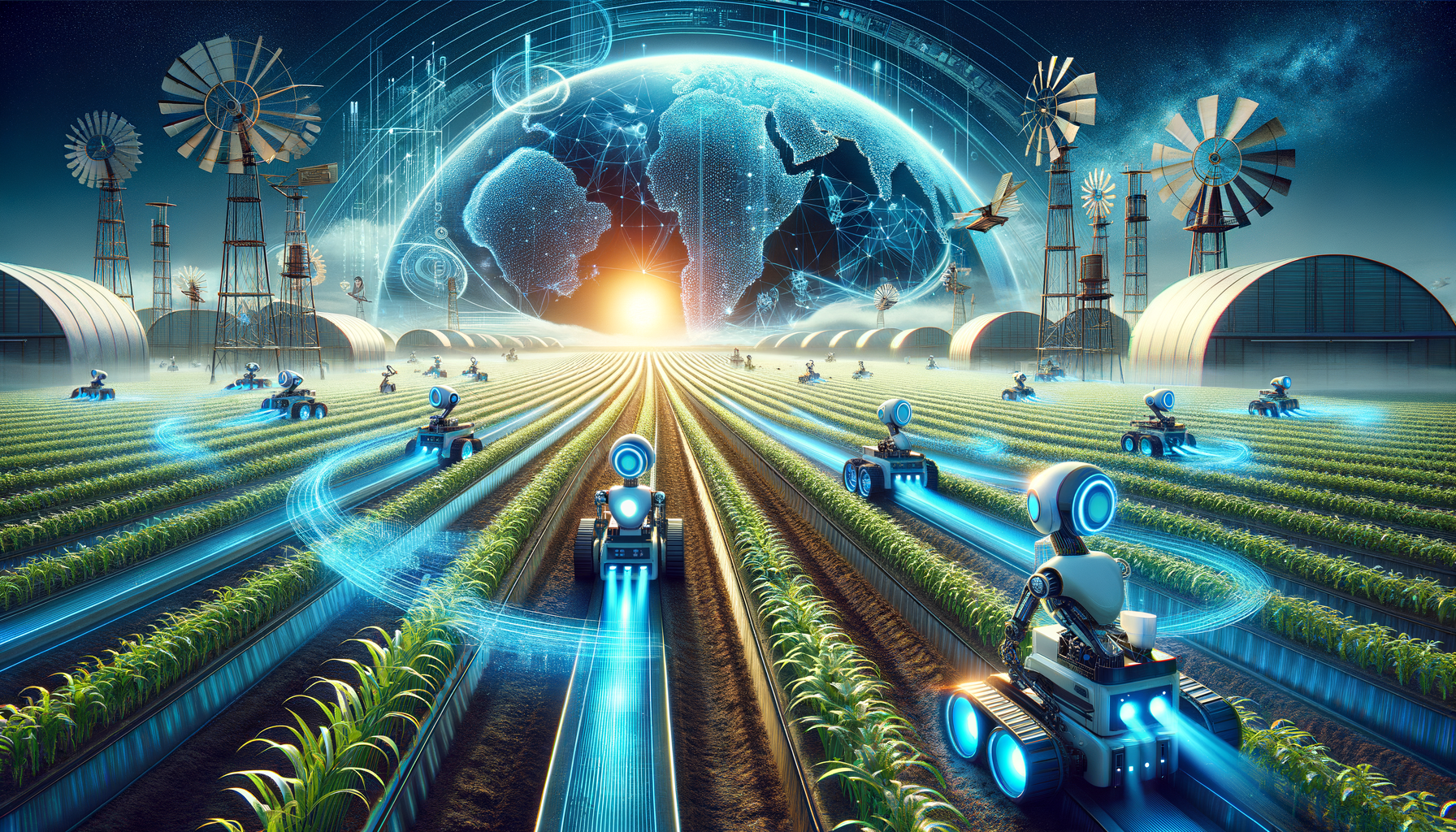
Empowering Farming: The Rise of Robotic Agriculture Revolution
As we stand on the brink of a new era in farming, where automation and robotics pave the way for more efficient, sustainable, and precise agriculture, it’s time to embrace the revolution. Welcome to the world of Robotic Agriculture – the future of farming in India and beyond.
The Dawn of Robotic Agriculture
Over the past decade, technology has increasingly permeated every aspect of our lives, and the agricultural sector is no exception. The rise of agricultural robotics, known as agribots, is transforming traditional farming practices, making them more efficient, less labor-intensive, and more environmentally friendly.
Why Robotic Agriculture?
With the increasing global population and the consequent surge in food demand, farmers are under pressure to increase crop yields without expanding their agricultural land. Here, precision farming plays a crucial role. By using robotics and automation, farmers can ensure improved crop yields, reduced waste, and minimized environmental impact.
The Indian Farming Landscape and Robotic Intervention
In a country like India, where agriculture is a major source of livelihood for about 58% of its population, the potential for robotic farming is immense. The Indian government’s Make in India initiative, coupled with the proliferation of tech startups, is driving the rise of agribots in the Indian farming landscape.
Examples of Robotic Agriculture in India
- TartanSense: A Bangalore-based startup, TartanSense, has developed small robots that can identify and eliminate weeds from cotton fields, reducing the use of harmful pesticides and improving crop yield.
- Aibono: Aibono, another Indian agri-tech startup, uses artificial intelligence (AI) and machine learning (ML) to provide real-time farm-related intelligence, helping farmers make informed decisions about crop cultivation.
Pathway to Success: Tips for Robotics Enthusiasts
For those keen on joining the robotic agriculture revolution, here are a few tips:
- Stay Informed: Keep up-to-date with the latest developments in agricultural technology, particularly in the field of robotics and automation. Attend webinars, workshops, and technology fairs regularly.
- Gain Practical Experience: There’s no substitute for hands-on experience. Participate in robotics projects and competitions, intern with robotics companies, or collaborate on open-source projects.
- Collaborate and Network: Collaboration is key in the world of robotics. Connect with like-minded individuals, join robotics clubs, and participate in online forums and communities.
- Never Stop Learning: Robotics is a field that’s continually evolving. Stay curious, keep learning, and don’t be afraid to challenge the status quo.
Conclusion: Embracing the Future of Farming
The rise of robotic agriculture signifies a significant shift in the way we produce food. While the transition from traditional farming methods to automation and robotics may seem daunting, it’s an inevitable and necessary evolution.
As we move forward, the fusion of technology and agriculture will continue to open new avenues for sustainable farming, reducing the environmental impact, and helping feed the world’s growing population. The future of farming is here, and it’s robotic.
Let’s embrace this change, not just as a technological advancement, but as an opportunity to create a more sustainable and food-secure future. The robotic agriculture revolution is here, and it’s time we all got on board.