
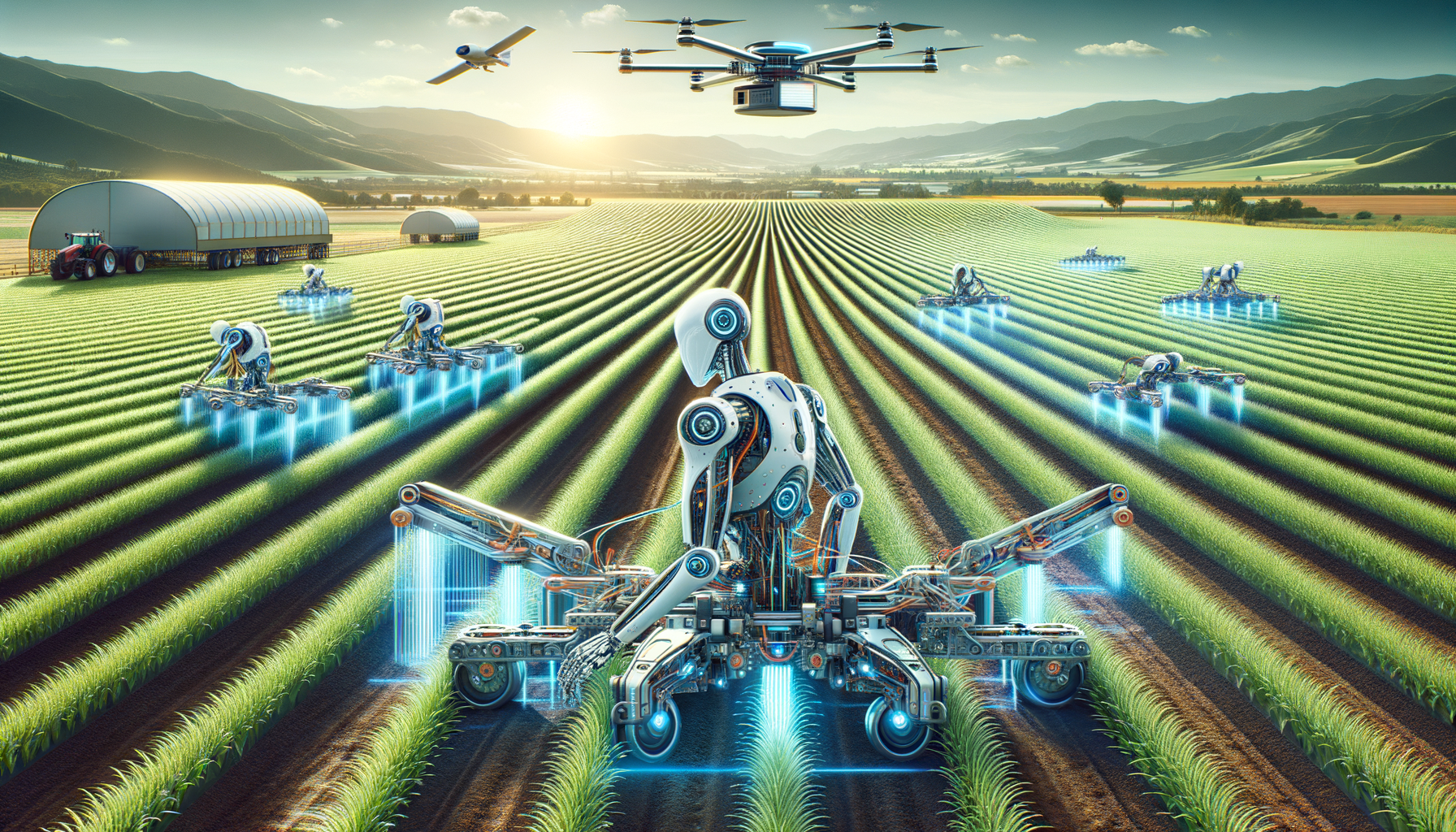
Revolutionizing Farming: A Look at Agricultural Robotics Timelines
As advances in robotics continue to reshape various industries, agriculture stands out as an area experiencing significant transformation. This blog post will take you through the development timeline of agricultural robotics and the integral role they play in modern farming practices, particularly in the Indian market.
Introduction: The Dawn of Agricultural Robotics
Since the advent of the industrial revolution, technology has been the driving force behind increased efficiency and productivity. However, it wasn’t until the 20th century when the first examples of automation in agriculture started to appear. With the development of the tractor and other mechanized equipment, farming became more efficient and less labor-intensive. Over the years, these technologies have evolved and given rise to a new era of farming – one dominated by robotics and AI.
Phase 1: The Birth of Precision Agriculture
1990s – Early 2000s
Precision farming was the first major leap in agricultural robotics. The term refers to the use of GPS and GIS technologies to monitor and optimize crop yields. This technology allowed farmers to map their fields, track variations in soil conditions, and apply fertilizers and pesticides more efficiently. This was a game-changer in the farming industry, leading to increased yields and reduced costs.
Phase 2: The Rise of Robotic Harvesters and Autonomous Tractors
Mid 2000s – Present
A significant development in agricultural robotics was the introduction of robotic harvesters and autonomous tractors. These machines can perform tasks like picking fruits and plowing fields without human intervention. In the Indian market, companies like Mahindra are leading the way with their driverless tractor technology. This innovation is not only reducing labor costs but also helping overcome labor shortages in rural areas.
Phase 3: Drones and Automated Irrigation Systems
2010s – Present
Drones have revolutionized several industries, and agriculture is no exception. Used for crop surveillance, drones provide detailed aerial imagery, enabling farmers to detect issues such as pest infestations or irrigation problems quickly. In addition, automated irrigation systems have made water management more efficient, reducing waste and conserving water.
Phase 4: The Future of Agricultural Robotics
The Next Decade and Beyond
The future of agricultural robotics is promising, with technologies like AI and machine learning set to play a pivotal role. Farmers will be able to use predictive analytics to make informed decisions about when to sow seeds, the best time to harvest, and the optimal amount of water and fertilizers to use.
Tips for Robotics Enthusiasts
- Stay updated with the latest trends and developments in agricultural robotics.
- Get hands-on experience with robotics kits and platforms.
- Participate in robotics competitions and events to enhance your skills and network with professionals in the field.
- Consider pursuing further education or certifications in robotics and related fields.
Conclusion
The timeline of agricultural robotics showcases the significant advancements in technology and their impact on farming practices. As we move further into the 21st century, robotics will continue to revolutionize agriculture, making farming more efficient, sustainable, and profitable. This is particularly relevant for countries like India, where agriculture plays a crucial role in the economy. By embracing these technologies, we can look forward to a more promising future for agriculture worldwide.