
Mastering the Maze: A Deep Dive into Autonomous Vehicle Technology
As robotics and technology continue to evolve, autonomous vehicles are fast becoming a reality, promising to revolutionize the transportation industry worldwide. In this post, we’ll take a deep dive into the technology behind autonomous vehicles, their future potential, and the challenges they face, with a special focus on the burgeoning Indian market.
The Rise of Autonomous Vehicles
Autonomous vehicles, also known as self-driving cars, use advanced technologies such as Artificial Intelligence (AI), Machine Learning (ML), and various sensor systems to navigate the environment without human input. They have the potential to make transportation more efficient, safer, and more sustainable.
Why the Buzz on Autonomous Vehicles?
- Safety: The majority of road accidents are due to human error. Autonomous vehicles eliminate the risk of human error, potentially reducing accidents significantly.
- Efficiency: Autonomous vehicles can optimize routes, reduce traffic congestion, and improve fuel efficiency.
- Accessibility: They can provide mobility solutions for individuals who cannot drive, such as the elderly or people with disabilities.
The Technology Behind Autonomous Vehicles
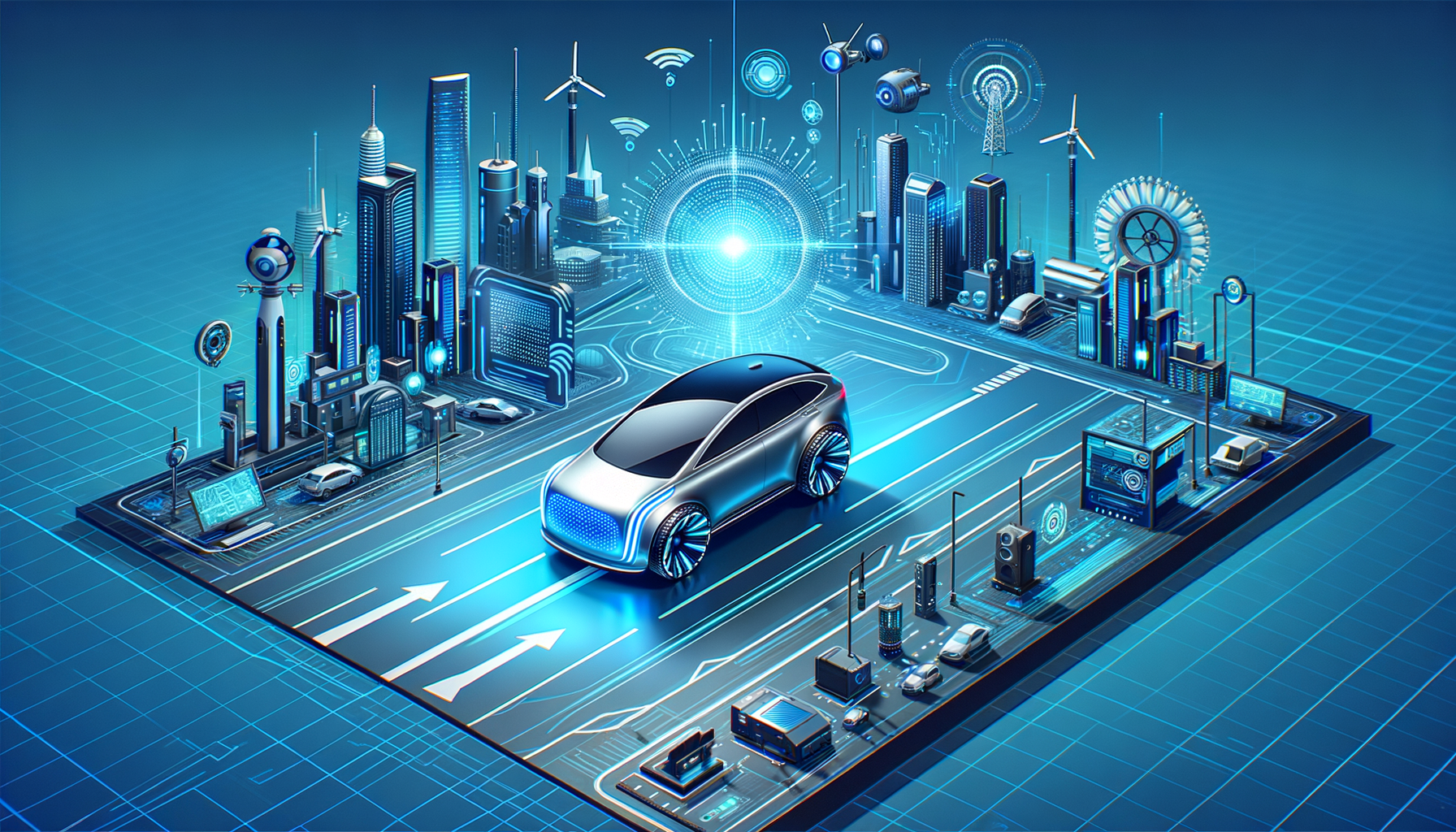
Autonomous vehicles use a complex array of technologies to perceive their surroundings, make decisions, and navigate the environment.
AI and Machine Learning
AI and ML play a central role in autonomous vehicles. These technologies enable the vehicle to learn from experience, improving its performance over time. For example, Google’s Waymo uses a type of ML known as deep learning to recognize objects and predict their movements.
Sensor Technology
Autonomous vehicles use various sensor systems, including RADAR, LIDAR, and cameras, to perceive the environment. These sensors provide the data that the vehicle’s AI system uses to make decisions.
GPS and Mapping
Global Positioning System (GPS) and high-definition mapping help autonomous vehicles know their exact location and navigate the environment effectively.
Challenges Faced by Autonomous Vehicles
Despite their potential, autonomous vehicles face several challenges, including technological, regulatory, and social issues.
Technological Challenges
Developing reliable AI and sensor systems is a major technological challenge. These systems must be able to handle a wide range of situations and conditions, including poor weather and unpredictable human behavior.
Regulatory Challenges
Regulatory frameworks for autonomous vehicles are still being developed. In India, for instance, the government is currently drafting a policy on autonomous vehicles.
Social Challenges
There are also social challenges to overcome, including public acceptance and ethical considerations. For example, how should an autonomous vehicle be programmed to act in a situation where a collision is unavoidable?
Tips for Robotics Enthusiasts
For those interested in the field of autonomous vehicles, here are some practical tips:
- Stay updated with the latest developments in AI, ML, and sensor technology.
- Gain hands-on experience by participating in robotics competitions or open-source projects.
- Follow the regulatory developments in your country to understand the legal and policy implications of autonomous vehicles.
Conclusion
Autonomous vehicle technology is a fascinating and rapidly evolving field. It offers numerous benefits, but also presents significant challenges. By understanding the technology and staying updated with the latest developments, robotics enthusiasts and professionals can contribute to this revolutionary field and help shape the future of transportation.