
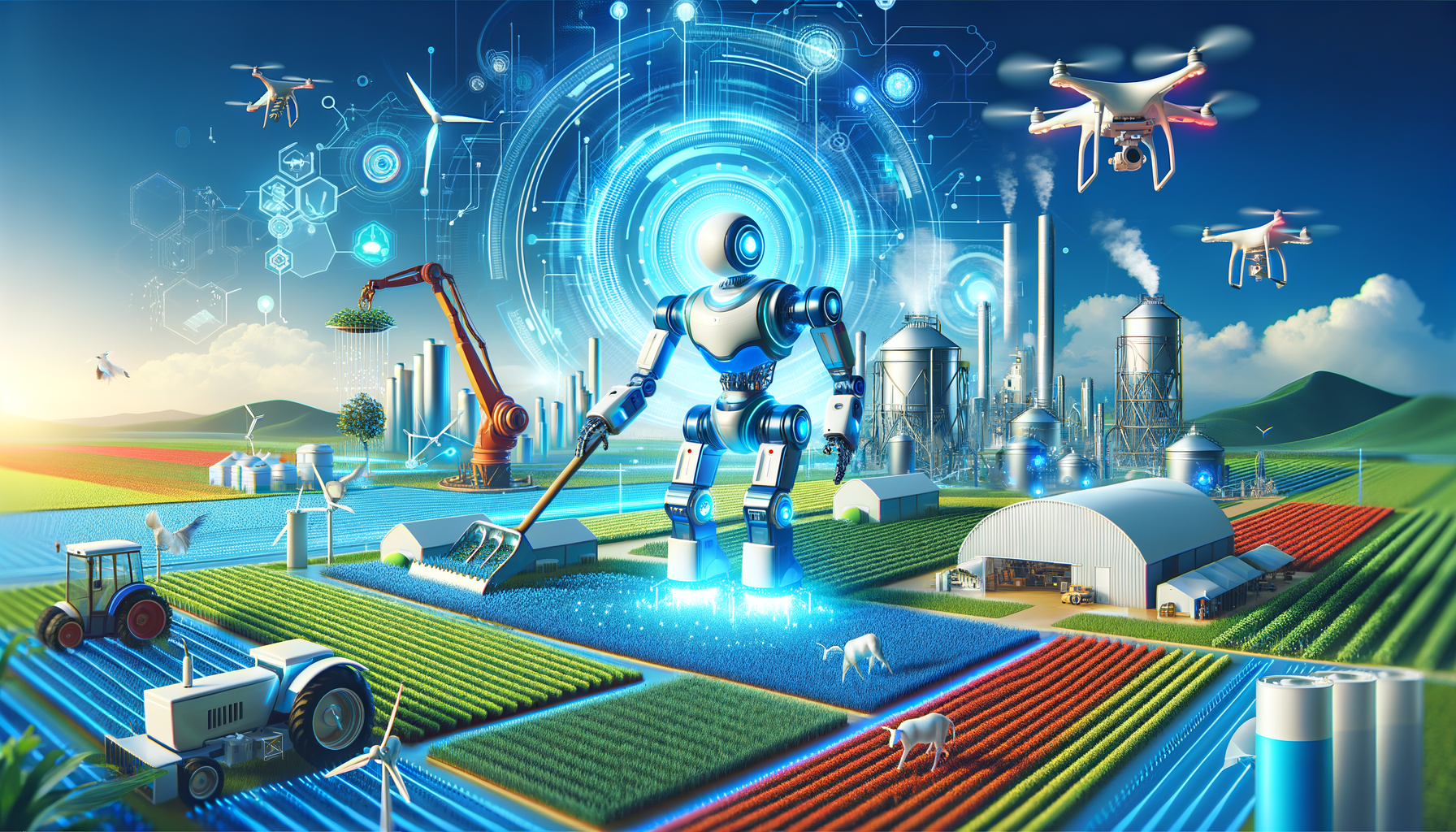
Revolutionizing Farming: Unveiling the Wonders of Agricultural Robotics
With the advent of technology, the agricultural industry is undergoing a significant transformation. The wonder of agricultural robotics is revolutionizing farming practices, providing high-tech solutions for age-old farming challenges. This post will delve into the heart of this revolution, focusing on the Indian robotics market and providing tips for robotics enthusiasts who want to be part of this transformative journey.
Introduction to Agricultural Robotics
Agricultural robotics, or agribots, are autonomous machines designed to assist in the cultivation and harvesting of crops. They provide a high-tech solution for precision farming, improving efficiency, reducing waste, and promoting sustainable practices. From robotic harvesters to drone farming and automated irrigation systems, agricultural robots are changing the face of farming in India and around the world.
Emerging Trends in Agricultural Robotics
Robotic Harvesters
Harvesting is one of the most labour-intensive processes in farming. Robotic harvesters are designed to automate this task, picking and sorting fruits and vegetables with speed and precision. For instance, FFRobotics, an Israeli company, has developed a robotic harvester that can pick up to 10,000 apples an hour, a task that would take a human worker a day to complete.
Precision Agriculture
Precision agriculture involves using technology to improve the accuracy and efficiency of farming practices. Robots equipped with GPS and sensors can monitor crop and soil conditions and apply fertilisers and pesticides in a precise, targeted manner. This reduces waste and improves crop health. Companies like CropIn and Skymet are driving this revolution in the Indian market.
Drone Farming
Drones are becoming an integral part of agricultural practices, providing a bird’s eye view of large farms and collecting valuable data. They can monitor crop health, identify pest infestations, and even assist in planting and irrigation. Garuda Robotics in India is a pioneer in this field, offering drone services for precision farming.
Automated Irrigation Systems
Water is a precious resource, and its efficient use is crucial in farming. Automated irrigation systems use sensors to monitor soil moisture levels and provide water only when necessary. This not only conserves water but also ensures optimal crop growth. Companies like Jain Irrigation Systems in India are leading the way in developing these technologies.
Practical Tips for Robotics Enthusiasts
- Stay Updated: The field of agricultural robotics is rapidly evolving. Keep an eye on the latest trends and technologies by following industry news and attending webinars and conferences.
- Hands-on Experience: Get practical experience by working on robotics projects. This could involve programming a robot, designing a drone, or even building a simple automated system for your home garden.
- Networking: Join robotics clubs or online communities. These can provide valuable support and opportunities to collaborate on projects.
- Education: Consider pursuing further studies in robotics or related fields. This will provide a strong theoretical foundation and open up career opportunities in the industry.
Conclusion
Agricultural robotics is a field ripe with potential. As the world’s population continues to grow, the demand for efficient, sustainable farming practices will only increase. Robots offer a solution to this challenge, promising to revolutionize the way we farm. By staying informed, gaining practical experience, and networking with others in the field, you can be part of this exciting revolution.
So, whether you’re a farmer looking to optimize your operations, a tech enthusiast fascinated by the latest trends, or a robotics professional seeking new opportunities, the world of agricultural robotics has something to offer. Embrace the future of farming, and let’s grow together.