
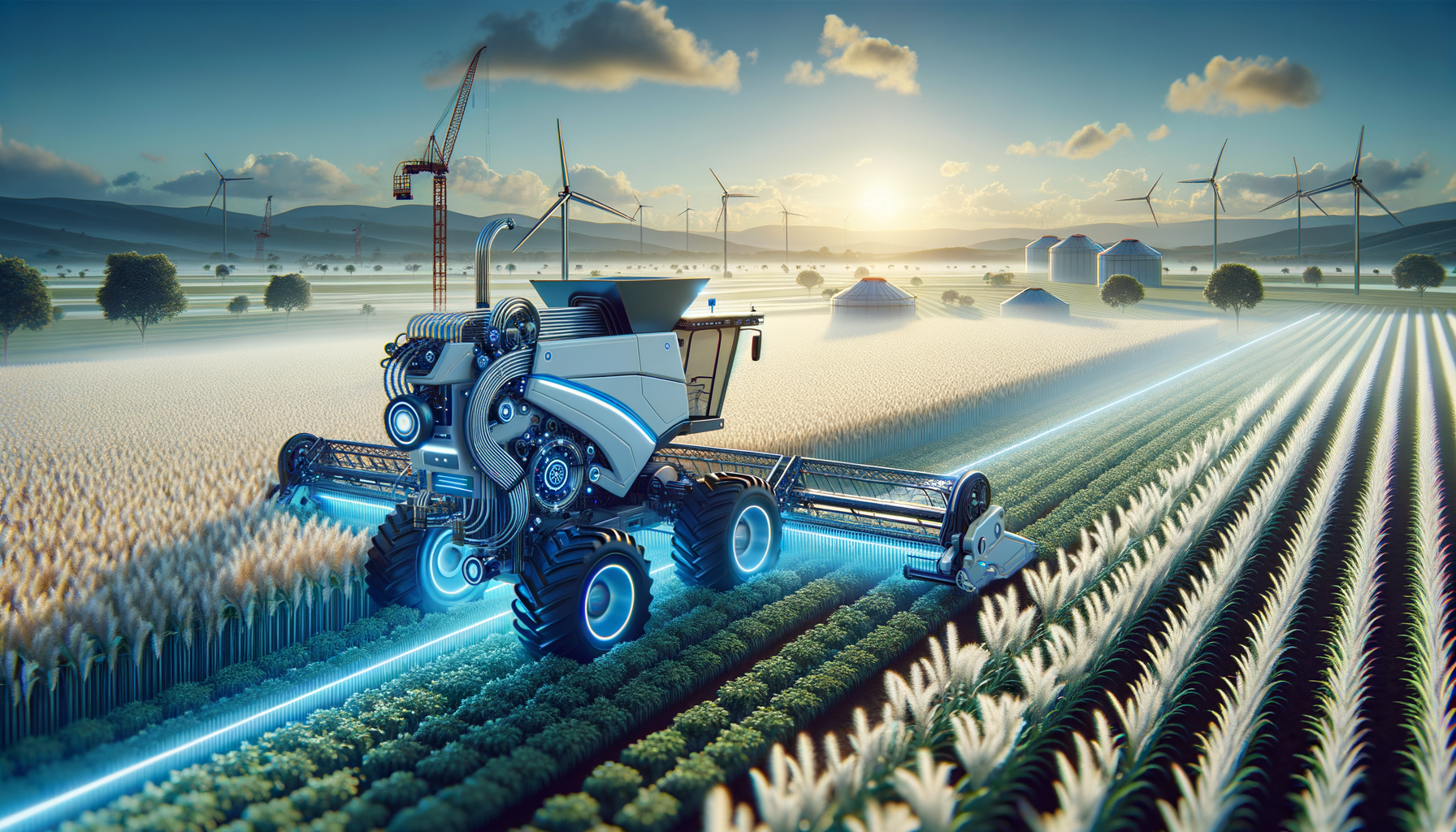
Harvesting the Future: Skill Development in Agricultural Robotics
With increasing demand for food production, it is becoming essential to find new ways to increase efficiency in the agricultural sector. The use of advanced technology, particularly robotics, is proving to be a game-changer in farming automation. This blog post explores opportunities in agricultural robotics, key skills for professionals in this field, and offers practical tips for robotics enthusiasts interested in this burgeoning industry.
Understanding Agricultural Robotics
Agricultural robotics refers to the application of robotics technology in farming and agriculture. This includes robotic harvesters, precision agriculture, drone farming, automated irrigation systems, and a host of other applications aimed at increasing agricultural productivity while minimizing labor and environmental impact.
Relevance in the Indian Market
India, being an agrarian economy, stands to benefit greatly from advancements in agricultural robotics. With over half of the country’s workforce engaged in farming, automation could lead to significant increases in productivity and sustainability. For example, precision agriculture, facilitated by robotics, can help Indian farmers apply the right amount of fertilizers and pesticides, thus reducing costs and environmental impact.
Key Skills for a Career in Agricultural Robotics
As with any career in robotics, a solid foundation in STEM (Science, Technology, Engineering, and Mathematics) is crucial. But beyond that, here are some specific skills that would be beneficial:
- Robotics Engineering: This involves designing and building robots, understanding their systems and applications.
- Data Analysis: Robots generate a lot of data, and being able to analyze this data is key to improving performance and efficiency.
- Machine Learning: Many robots use machine learning algorithms to improve their tasks over time. Knowledge in this area can be very valuable.
- Agricultural Knowledge: Understanding farming practices and the agricultural industry is essential for creating robots that meet the needs of farmers.
Getting Started in Agricultural Robotics
For those interested in exploring a career in agricultural robotics, here are some practical steps you can take:
- Get a Degree: A degree in robotics, computer science, or a related field is a good starting point.
- Gain Experience: Look for internships or work experience in the robotics industry, or in the agricultural sector.
- Stay Informed: Keep up-to-date with the latest developments in robotics and agriculture. This could be through reading journals, attending industry events, or participating in online communities.
- Network: Connect with professionals in the field. They can offer advice, share opportunities, and provide valuable insights.
Conclusion
With the right skills and a proactive approach, a career in agricultural robotics can be both rewarding and impactful. As this field continues to advance, there will be increasing opportunities for professionals who are prepared to harvest the future with the power of robotics. So, get started on your journey today, and play a part in revolutionizing the agricultural sector of tomorrow.