
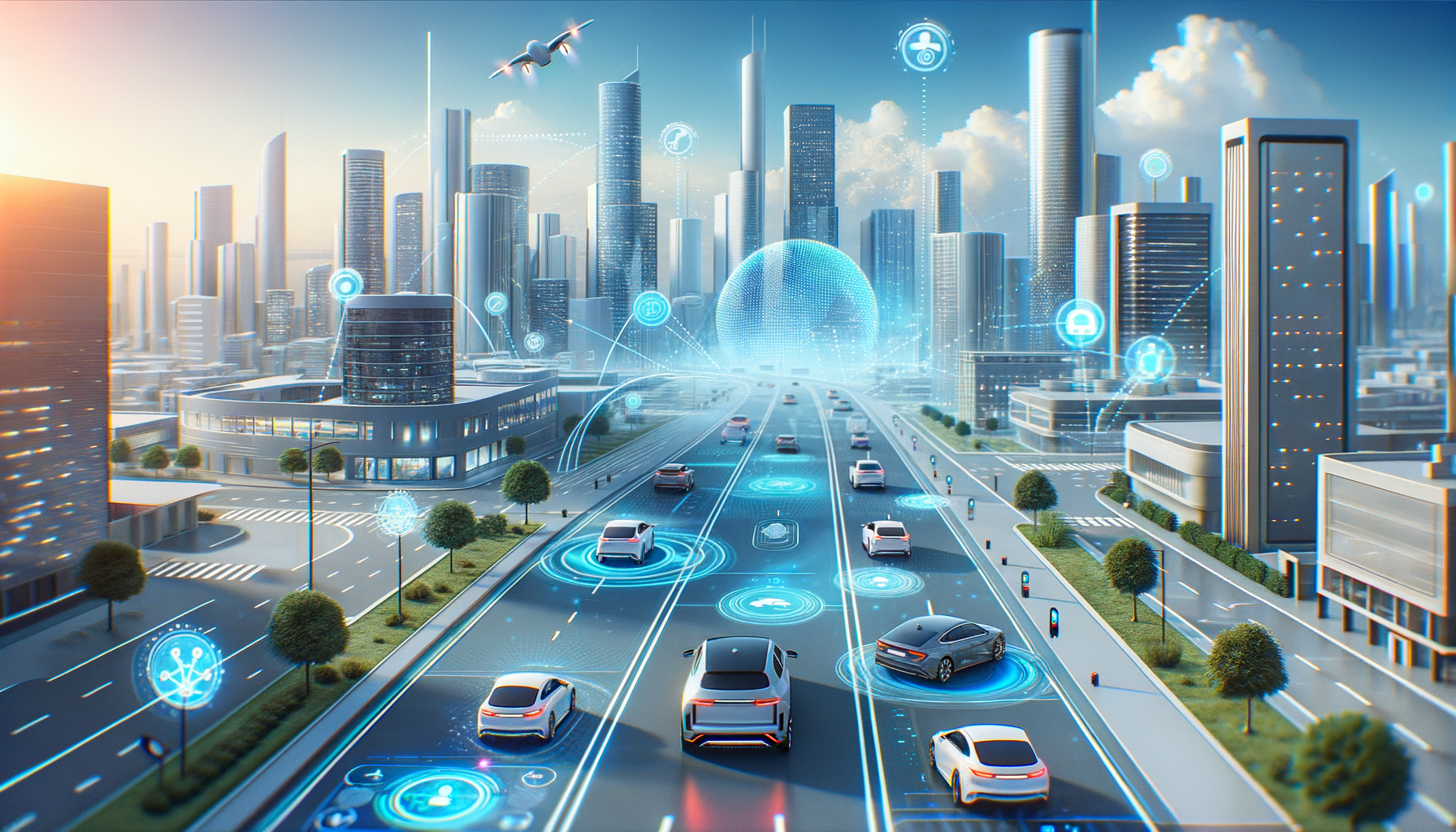
Revolutionizing Transport: Unveiling the Future of Autonomous Vehicles
Imagine a future where your car drives you instead of the other way around. A world where autonomous vehicles dominate the roads, making transportation safer, more convenient, and efficient. This future is not far off, as the rise of autonomous vehicles, powered by advanced robotics and artificial intelligence (AI), is rapidly changing the way we travel. This article delves into the revolutionary world of autonomous vehicles, their potential, and their impact on the Indian transportation landscape.
The Dawn of Autonomous Vehicles
Autonomous vehicles, or self-driving cars, are not just a figment of science fiction anymore. They are becoming a reality, thanks to leaps in robotics, AI, and sensor technology. Companies like Tesla, Waymo, and Uber are already testing their self-driving cars on public roads, while tech giants like Google and Apple are investing heavily in autonomous vehicle technology.
How Do Autonomous Vehicles Work?
At the heart of an autonomous vehicle lies a complex network of sensors, cameras, radars, and Lidar (Light Detection and Ranging) systems. These components work in harmony to perceive the environment, detect obstacles, and make split-second decisions. AI and machine learning technologies aid in processing this data, enabling the vehicle to learn from each trip and improve its performance over time.
Autonomous Vehicles in India
While the global autonomous vehicles market is gaining momentum, India, with its unique set of challenges and opportunities, presents a different scenario. The Indian autonomous vehicle market is still in its nascent stage. However, it is growing at an impressive pace, driven by advancements in technology and supportive government policies.
Government Initiatives and Regulation
The Indian government has shown a keen interest in promoting autonomous vehicles, viewing them as a solution to the country’s chronic traffic congestion and road safety issues. The government has initiated several projects and regulatory reforms to facilitate the development and testing of autonomous vehicles. The Ministry of Road Transport and Highways, for instance, has proposed amendments to the Motor Vehicles Act to allow for the testing of autonomous vehicles on Indian roads.
Challenges and Opportunities
Despite the promising prospects, the road to autonomous vehicles in India is fraught with challenges. These include poor infrastructure, unpredictable traffic conditions, and the need for a robust regulatory framework. However, these challenges also present opportunities for innovation. Indian startups like Flux Auto and Hi-Tech Robotic Systemz are already developing autonomous vehicle solutions tailored to the Indian environment.
Practical Tips for Robotics Enthusiasts
If you are a robotics enthusiast looking to venture into the field of autonomous vehicles, here are some practical tips:
- Stay updated with the latest developments in AI, robotics, and sensor technology.
- Acquire hands-on experience through internships or projects in companies working on autonomous vehicles.
- Participate in robotics competitions and hackathons. These platforms offer unique opportunities to learn, innovate, and network.
- Keep an eye on government regulations and initiatives pertaining to autonomous vehicles. Understanding the legal landscape is crucial for any successful venture in this field.
Conclusion
The advent of autonomous vehicles is undoubtedly revolutionizing transportation. While challenges exist, especially in markets like India, the potential benefits of autonomous vehicles in terms of safety, efficiency, and convenience are too significant to ignore. As we stand on the brink of this transport revolution, it is an exciting time for robotics enthusiasts and professionals to make their mark in this promising domain.