
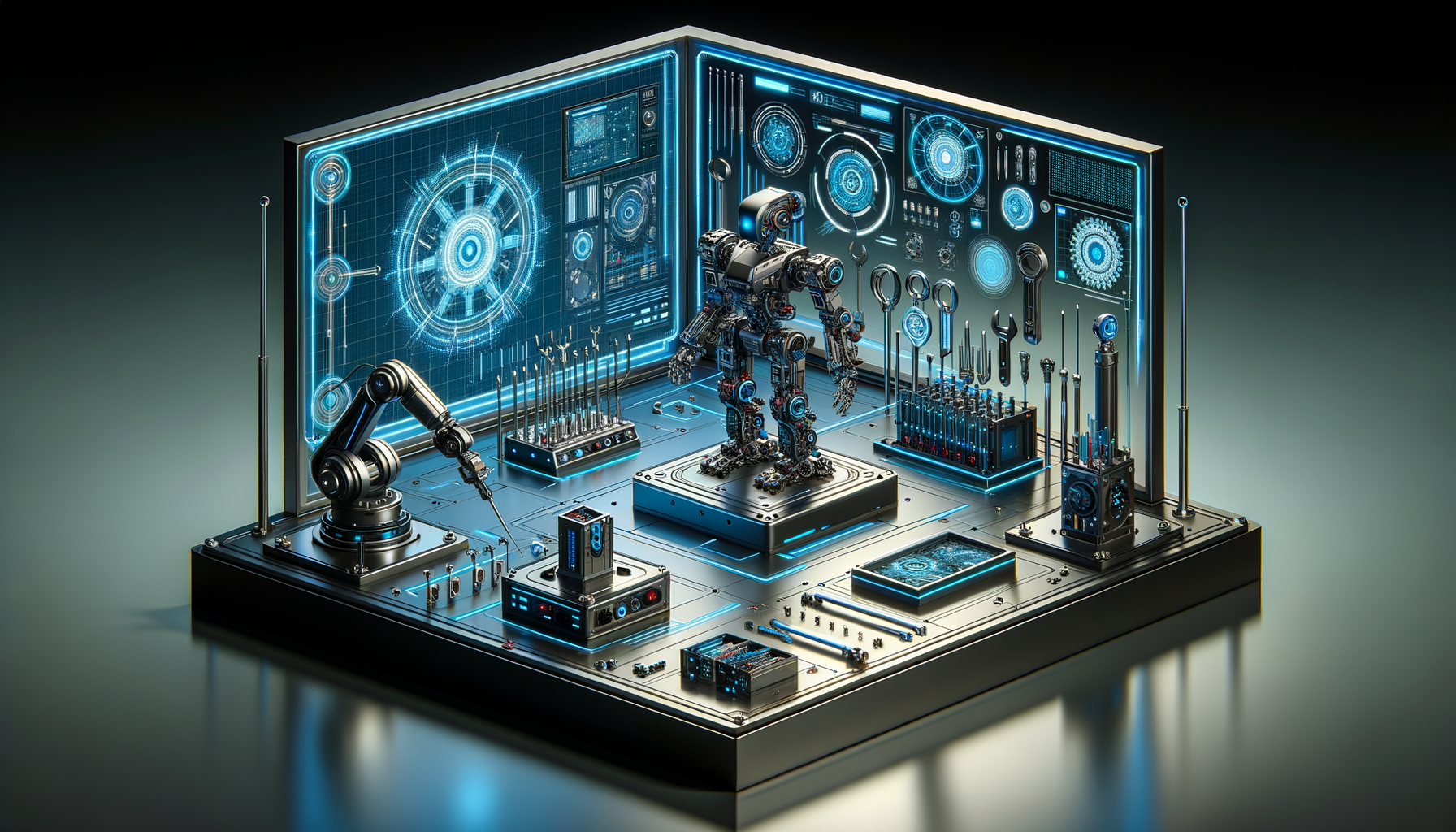
Exploring Robotics Hardware: A Beginner’s Guide to Building Your First Robot
Are you looking to dive deep into the world of robotics and build your very first robot? This guide will provide you with a comprehensive overview of the essential robotics hardware components, from motors and sensors to processors and batteries. With the Indian robotics market burgeoning, now is the perfect time to embark on your robotics journey. So, let’s get started!
1. Understanding the Basics of Robotics Hardware
1.1 Actuators
The first vital component of any robot is the actuator. These are the “muscles” of a robot, converting energy into physical movement. Depending on the type of robot you want to build, you may use electric motors, hydraulic or pneumatic systems, or even artificial muscles!
1.2 Sensors
Sensors act as the “nerves” of a robot, helping it interact with its environment. These could be proximity sensors, temperature sensors, light sensors, or even more complex ones like Lidar systems, which are used in autonomous vehicles.
1.3 Microcontrollers
Microcontrollers are the “brains” of a robot. They interpret input from the sensors and decide how the actuator should react. For beginners, microcontrollers like the Arduino or Raspberry Pi are a great starting point.
2. Powering Your Robot: Batteries and Power Management
Just like humans need food, robots need power. Batteries are a common power source for robots, but you must also consider power management. This includes monitoring battery levels and ensuring efficient power usage, particularly for mobile robots.
3. Building Your Robot: Essential Tools and Techniques
3.1 3D Printing for Robotics
3D printing has revolutionized the field of robotics, making it easier and more accessible for hobbyists to create custom robot parts. With a 3D printer, you can create complex, lightweight, and durable parts for your robot right at home!
3.2 Hardware Design Principles
When designing your robot, it’s important to consider its intended function. Is it a mobile robot? If so, it needs to be lightweight and efficient. Is it a manipulator robot? Then it needs to be sturdy and precise. Always design with the end application in mind.
4. Getting Started with Your First Robot
Once you’re familiar with the fundamental components and design principles, it’s time to start building your first robot. A simple line-following or obstacle-avoiding robot is a great first project. You can find many tutorials and kits online to help you get started.
5. The Indian Robotics Market: Opportunities and Challenges
The Indian robotics market is booming, with a projected CAGR of 13.3% from 2020 to 2025. This growth is driven by increasing demand in sectors like manufacturing, healthcare, and defense. However, challenges like a lack of skilled professionals and high costs remain. By getting started with robotics now, you can be at the forefront of this exciting field.
Conclusion
Building your first robot can be a fun and rewarding experience. With an understanding of the basic hardware components and design principles, you’re well on your way to joining the exciting world of robotics. Remember, the key is to start small and gradually take on more complex projects. Happy robot building!