
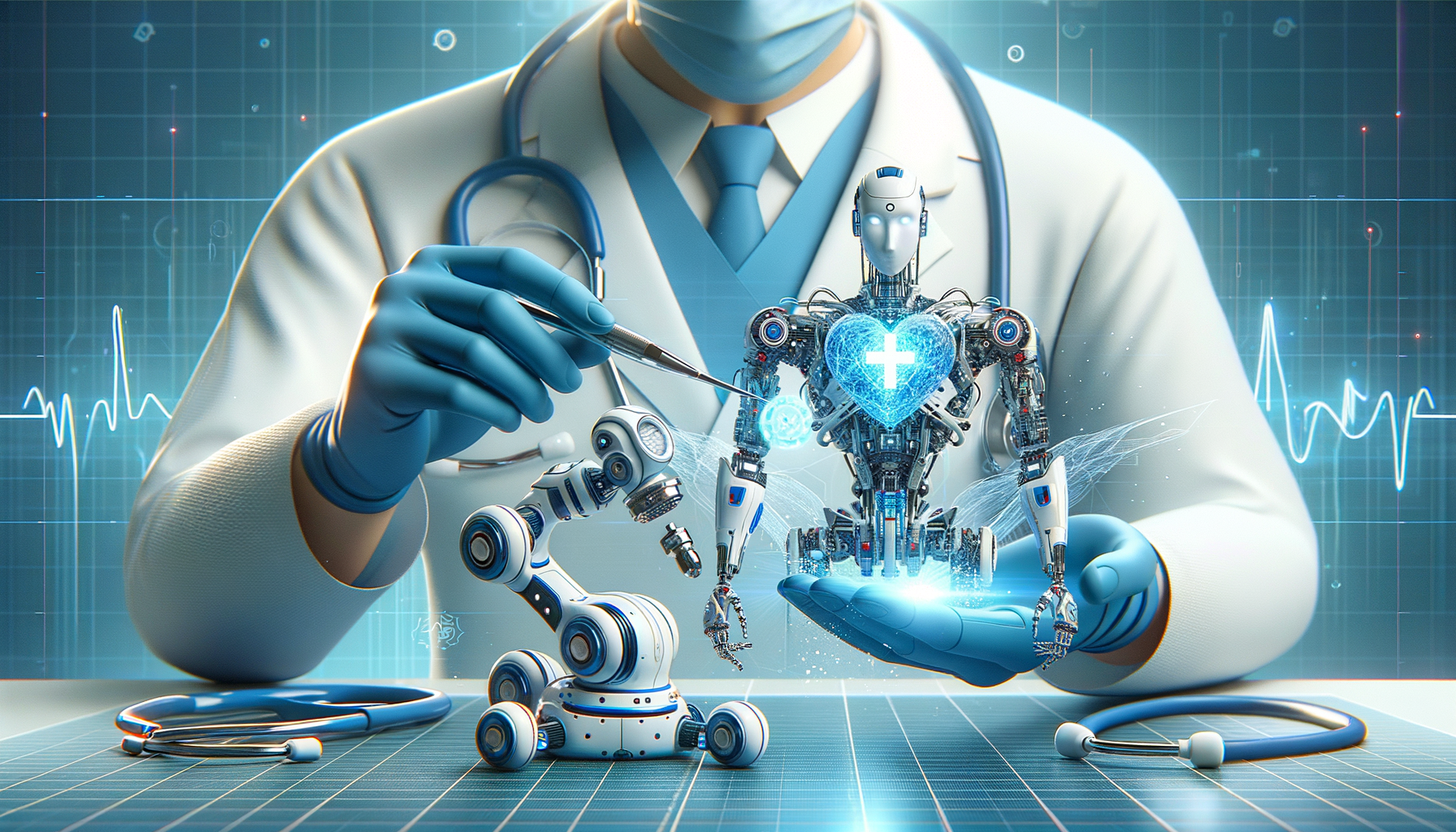
Revolutionizing Healthcare: A Career Guide to Medical Robotics Mastery
Introduction
In the ever-evolving world of technology, the medical field has seen one of the most transformative impacts. Robotics, in particular, has revolutionized the way healthcare services are delivered, providing precision, efficiency, and improved patient outcomes. From surgical robots to elderly care devices, the applications of robotics in healthcare are vast and rapidly growing, particularly in the burgeoning Indian market.
For technology and robotics enthusiasts, the healthcare sector offers a plethora of opportunities for skill development and career growth. This guide offers an in-depth look at the exciting world of medical robotics, providing actionable advice and practical tips for those who wish to master this domain.
Understanding Medical Robotics
What is Medical Robotics?
Medical robotics refers to the use of automated devices to perform functions that were traditionally carried out by human practitioners. These functions range from surgery and diagnostics to rehabilitation and elderly care.
Applications of Robotics in Healthcare
- Surgical Robots: They provide unprecedented precision and control, reducing human error, and minimizing invasiveness in surgeries.
- Rehabilitation Devices: Robotic prosthetics and exoskeletons aid in the recovery and improved mobility of patients.
- Elderly Care Robots: Robots in elderly care help in managing routine tasks and providing companionship, enhancing the quality of life for seniors.
- Diagnostic Automation: Robots in diagnostics help in automating routine tests, delivering faster and more accurate results.
Skills Required for a Career in Medical Robotics
To master medical robotics, one needs to acquire a unique blend of skills in the fields of technology, engineering, healthcare, and robotics.
- Technical Proficiency: Knowledge in areas such as software development, machine learning, artificial intelligence, and data analytics is essential.
- Medical Knowledge: Understanding of human anatomy, medical procedures, and healthcare regulations is crucial.
- Soft Skills: Communication, problem-solving, teamwork, and ethical considerations are also vital in this field.
Building a Career in Medical Robotics in India
Education and Training
In India, the journey to a career in medical robotics typically begins with a Bachelor’s degree in Engineering, followed by a Master’s degree or PhD in Robotics or related fields. Specialized courses in medical robotics are also available in many Indian universities. Hands-on training and internships are crucial for gaining practical experience.
Job Opportunities
With the rapid growth of healthcare technology in India, job opportunities in medical robotics are plentiful. They range from roles in R&D and product design to sales and marketing in companies like Intuitive Surgical, Medtronic, and the homegrown start-up, Sigtuple.
Practical Tips for Robotics Enthusiasts
- Stay Updated: Keep abreast of the latest developments in the field of medical robotics.
- Network: Connect with professionals in the industry through social media, seminars, and workshops.
- Gain Experience: Look for internships, volunteer work, or projects that provide hands-on experience.
- Keep Learning: Pursue continuous learning opportunities, including online courses and certifications.
Conclusion
The world of medical robotics is exciting, challenging, and filled with opportunities. With the right skills, training, and passion, anyone can build a rewarding career in this field. As healthcare continues to evolve, the demand for professionals in medical robotics is only set to rise, particularly in markets like India, making it an ideal time to enter and master this field.