
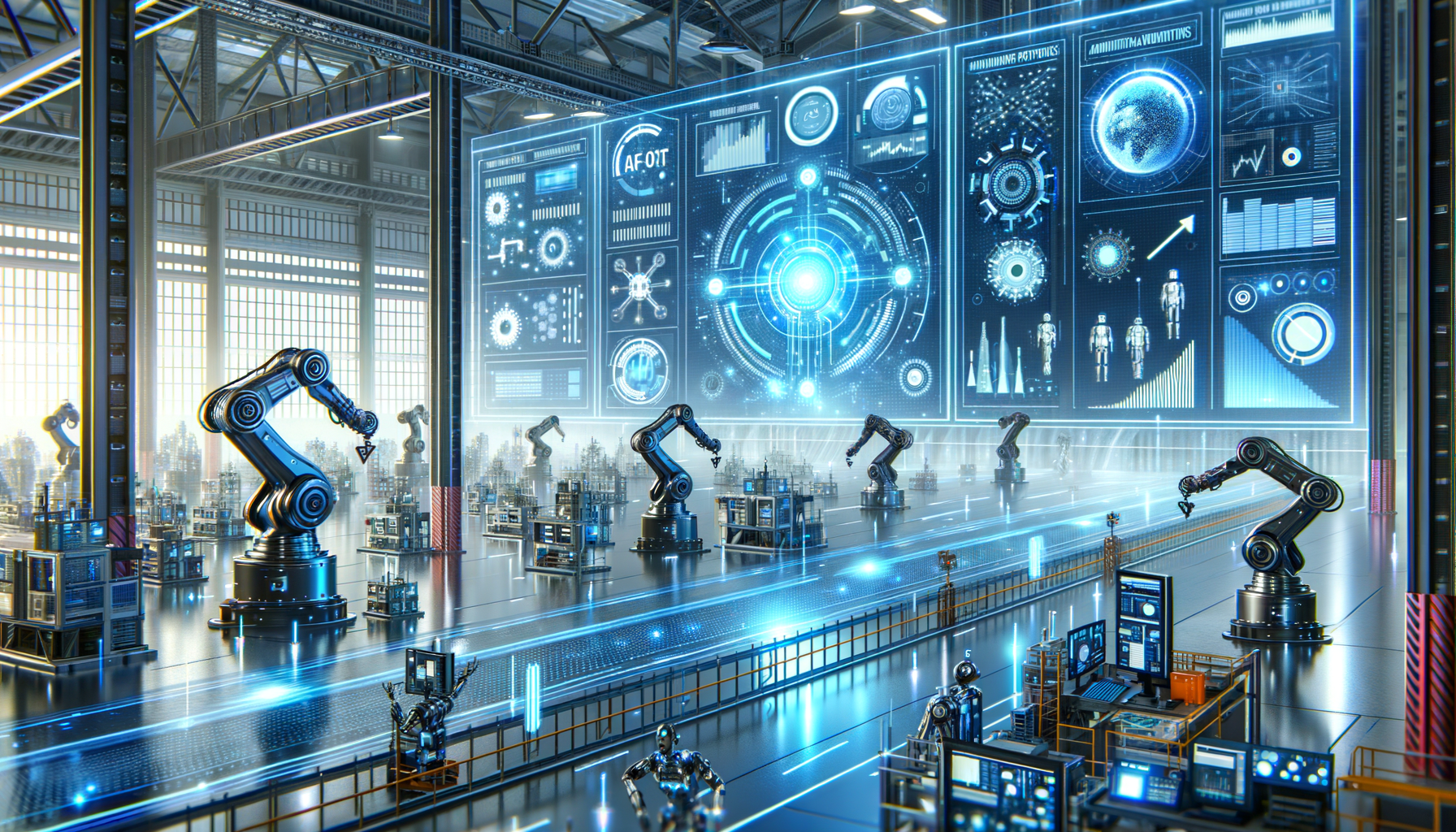
Industrial Robotics: Navigating Safety Concerns & Protocols for Automation Success
Automation is revolutionizing industries across the globe, with India being no exception. The advent of industrial robotics has brought about a paradigm shift in manufacturing, assembly lines, and industrial processes. However, as we move towards this new era, the question of safety protocols becomes paramount. This blog will explore the safety concerns associated with industrial robotics and propose some practical solutions to navigate these challenges.
Understanding the Safety Concerns
Hazardous Movements and Operations
Industrial robots are capable of executing tasks at high speed and with immense force. These operations can be hazardous to human workers if not properly managed. Examples include robotic arms used in automotive manufacturing, which can pose a risk due to their speed and strength.
Unpredictable Behavior
Robots can occasionally behave unpredictably, especially when they encounter scenarios not accounted for during the programming phase. This unpredictability can sometimes lead to accidents if safety measures are not well established.
Establishing Safety Protocols
With the right safety protocols in place, we can minimize the risks associated with industrial robotics. Here’s a closer look at some of these protocols.
Physical Barriers and Safety Zones
Physical barriers and designated safety zones are an efficient way to prevent accidents. They separate human workers from robots and confine the robotic operations within a specific area. For instance, CNC machines are usually enclosed to ensure the safety of the operators.
Emergency Stop Functions
Every industrial robot should have an emergency stop function that can be easily accessed and activated. This feature is crucial in halting the robot’s operation immediately in case of any unforeseen incident.
Regular Maintenance and Inspection
Regular maintenance and inspection help identify potential issues before they can cause an accident. It also ensures the robot is in its best operational condition, thereby reducing the chance of unpredictable behavior.
Integrating Industrial IoT
Industrial Internet of Things (IIoT) can play a significant role in enhancing safety in the realm of industrial robotics. By integrating IIoT, we can monitor the robot’s operations in real-time, predict maintenance needs, and quickly respond to any safety concerns.
Enhancing Productivity Through Robotics
While safety is paramount, it’s important to remember the benefits of industrial robotics. In the Indian market, companies like Tata Motors and Mahindra & Mahindra are leveraging automation to enhance productivity, improve quality control, and optimize processes.
Conclusion
As we continue to embrace industrial robotics in India, navigating safety concerns and establishing robust protocols will be crucial for sustainable growth. By incorporating safety measures like physical barriers, emergency stop functions, regular inspections, and integrating IIoT, we can create a safer working environment. The goal is to harness the power of automation without compromising the safety of our workforce.
With the right approach, industrial robotics can lead to unprecedented levels of productivity and efficiency, ushering in a new era of manufacturing and industrial processing in India.