
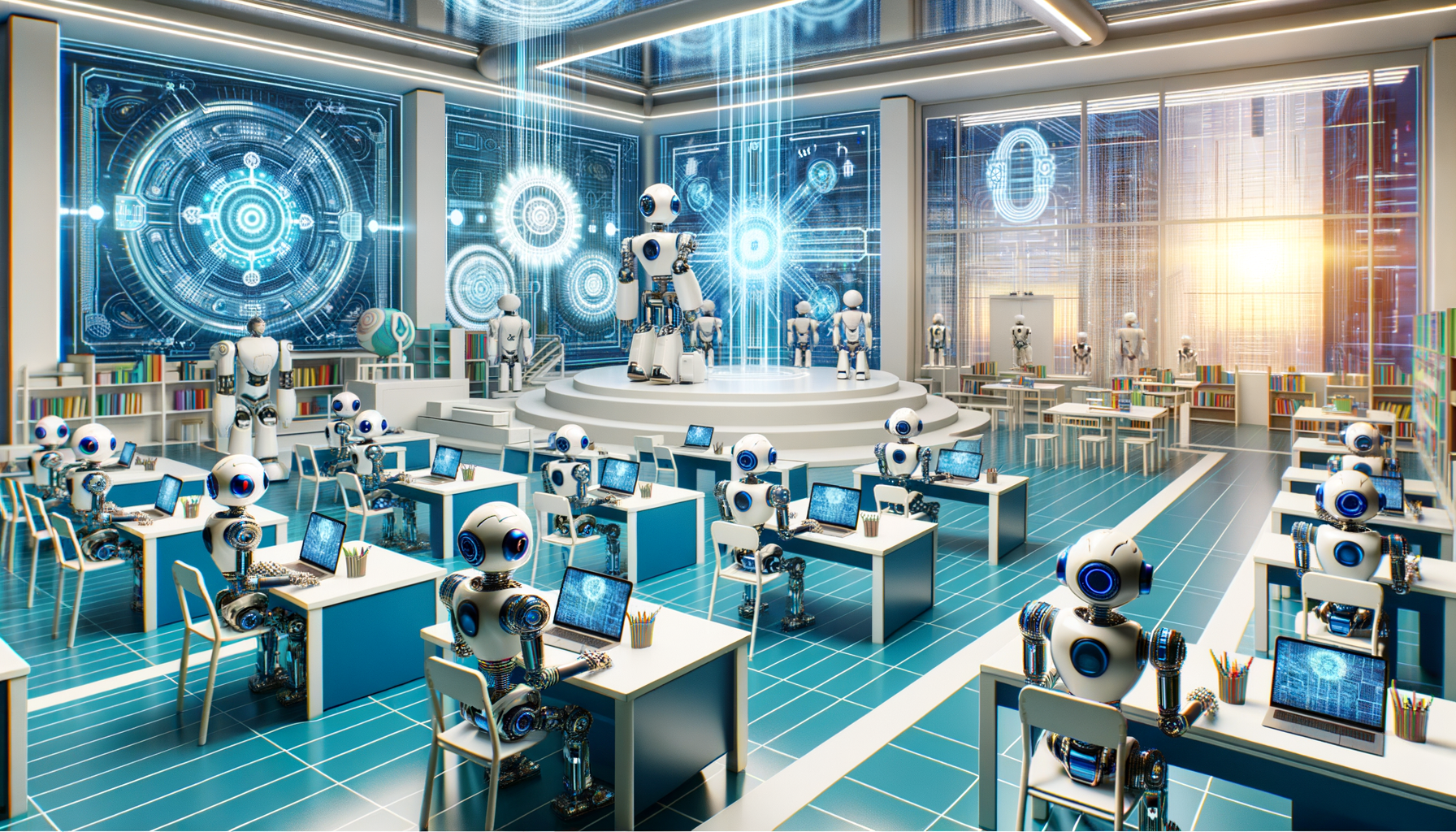
Unraveling the Hurdles: The Real Challenges in Educational Robotics
Robotics has revolutionized the education landscape, offering a hands-on and interactive approach to STEM (Science, Technology, Engineering, and Math) learning. While the benefits are undeniable, educational robotics faces its share of challenges. This article explores these hurdles and provides practical solutions for enthusiasts navigating the robotics terrain, particularly in the Indian context.
A Brief Overview of Educational Robotics
Robots are increasingly being used to support teaching and learning processes in schools and colleges. From basic robotics kits for students to advanced programming tutorials, the scope of educational robotics is vast and continually evolving. However, integrating robotics into education is not without its challenges. Let’s delve into some of the main hurdles hindering the progress of educational robotics.
Challenge 1: High Costs
Robotics involves the use of sophisticated hardware and software, which can be quite expensive. Often, the high costs associated with purchasing, maintaining, and upgrading these resources act as a significant barrier, especially in developing countries like India.
Overcoming the Cost Hurdle
Adopting cost-effective measures, such as shared resources, can go a long way in overcoming this challenge. Schools and educational institutions can also explore partnerships with tech companies to provide affordable robotics kits and resources to students. Crowdfunding and grants can be additional sources of funding.
Challenge 2: Lack of Trained Educators
In many cases, educators lack the necessary training and experience to teach robotics effectively. This gap can lead to suboptimal learning outcomes for students and discourage them from pursuing robotics further.
Bridging the Training Gap
Investing in professional development programs for educators is crucial. These programs can equip teachers with the necessary skills and knowledge to teach robotics, inspire students, and guide them through the learning process effectively.
Challenge 3: Insufficient Infrastructure
Another significant challenge, especially in regions like India, is the lack of adequate infrastructure. Many schools lack the necessary facilities, such as dedicated robotics labs, to support the implementation of robotics education.
Building Robust Infrastructure
Working towards building dedicated robotics labs in schools can help. Additionally, mobile labs and virtual platforms can serve as viable alternatives, allowing students to learn and experiment with robotics from anywhere.
Challenge 4: Complex Programming Concepts
Programming is an integral part of robotics. However, the complexity of coding languages can be overwhelming for young learners, deterring them from exploring the field further.
Simplifying Programming Concepts
Introducing coding in a fun and engaging way can make the learning process more accessible. Using visual programming languages, such as Scratch or Blockly, can be a great start. Additionally, creating easy-to-understand programming tutorials can be beneficial.
Conclusion
While challenges abound in the field of educational robotics, they are not insurmountable. With strategic planning, resource allocation, and a commitment to continuous learning, we can overcome these hurdles and unlock the vast potential of robotics in education. The future of robotics in India, and indeed the world, hinges on how effectively we can navigate these challenges and create a conducive learning environment for our future robot whisperers!