
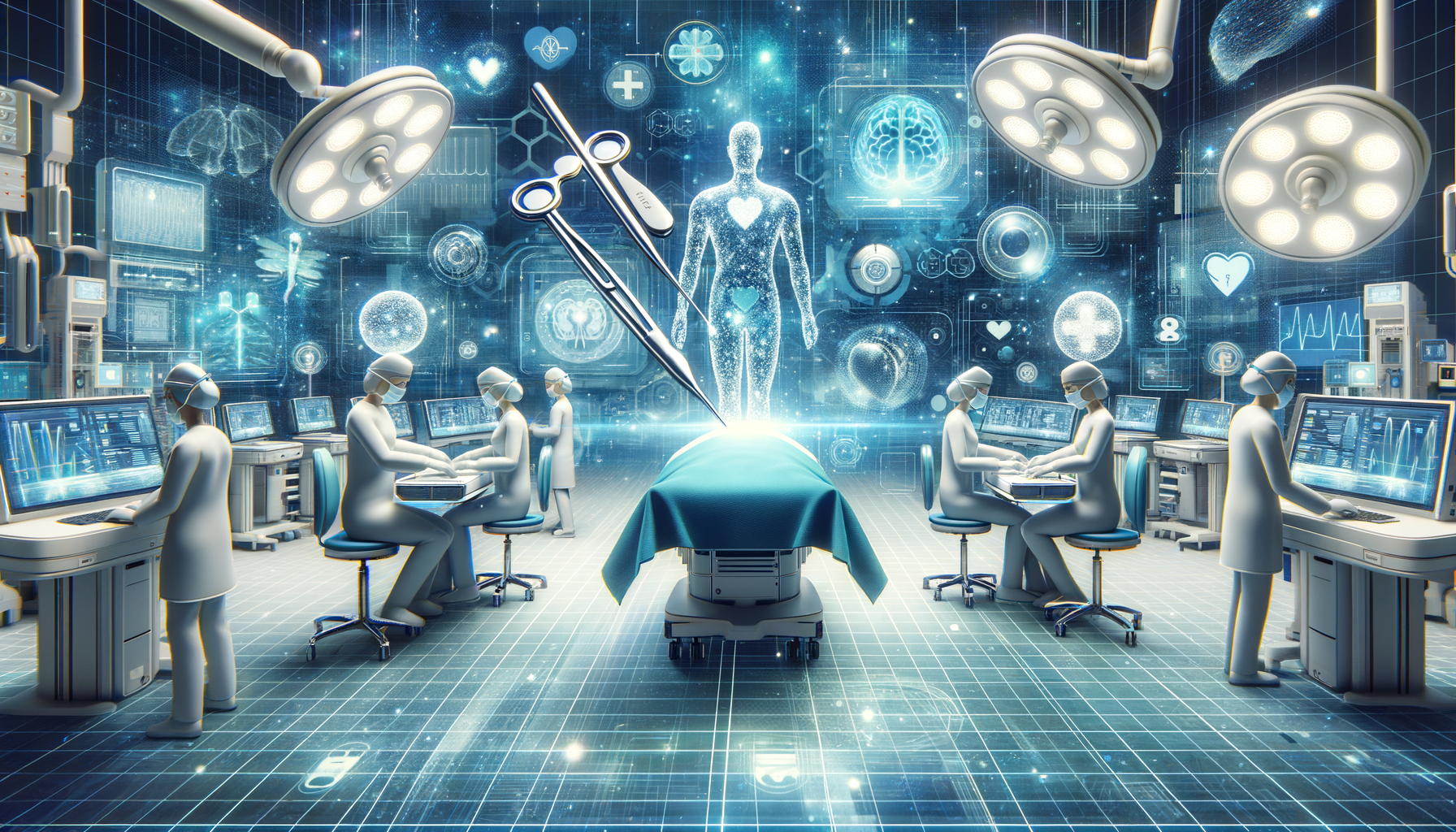
Revolutionizing Healthcare: Predicting the Future of Medical Robotics
The realm of healthcare is experiencing an unprecedented revolution thanks to the integration of robotics. Medical robotics is transforming the way doctors diagnose diseases, perform surgeries, assist patients in rehabilitation, and provide elderly care. In particular, the booming Indian robotics market is showing promising potential in shaping the future of medical robotics. This post will delve into the future predictions and trends in medical robotics, offering practical insights for robotics enthusiasts.
A Peek into the Future of Medical Robotics
1. Advanced Surgical Robots
Surgical robots have been around for a while, but the future holds much more for this technology. The ultimate goal is to develop autonomous surgical robots, capable of performing complex procedures with precision beyond human capabilities. Robotic systems like the Da Vinci Surgical System, already in use in India, offer a glimpse into this future. They provide surgeons with enhanced control, leading to minimal invasiveness and improved patient outcomes.
2. Rehabilitation Robotics
Robotics in rehabilitation is another area set to witness exponential growth. Robots are being designed to provide physical therapy to patients recovering from strokes and other debilitating conditions. They can repetitively train the patients, improving their motor skills and accelerating their recovery. For instance, the Lokomat, a robotic walking therapy device, offers such benefits.
3. Elderly Care Robots
The aging population in India calls for innovative solutions for elderly care. Robots equipped with AI and IoT technologies can assist seniors in their daily tasks, monitor their health, and provide companionship. Companies like Milagrow are leading the way in India, offering robots that can clean, monitor, and even entertain the elderly.
4. Diagnostic Automation
Robotic automation of diagnostic procedures can increase efficiency and accuracy, drastically reducing the time needed for diagnosis. Robots can handle and analyze samples, reducing the risk of human error. India’s Molbio has developed a robotic system that automates the diagnosis of tuberculosis, providing results within two hours.
5. Robotic Prosthetics
The future of prosthetics lies in robotics. Robotic limbs controlled by the patient’s brain signals can offer a higher degree of functionality and mobility. Companies like Ottobock and Touch Bionics are pioneering this field, offering myoelectric prosthetics that can perform complex tasks.
Actionable Advice for Robotics Enthusiasts
For those enthusiastic about medical robotics, here are some tips:
- Stay updated: The field of medical robotics is evolving rapidly. Regularly following tech news and research publications can keep you informed about the latest advancements.
- Gain hands-on experience: Join robotics clubs or participate in robotics competitions. These platforms offer practical exposure and networking opportunities.
- Collaborate: Team up with healthcare professionals. They can provide insights into the practical challenges in healthcare, which can guide your robotic solutions.
Conclusion
The future of medical robotics is bright, especially in the burgeoning Indian market. As the technology evolves, we can expect to see robots playing an even more significant role in healthcare. From performing surgeries and assisting in rehabilitation to providing elderly care and automating diagnostics, medical robots are set to revolutionize healthcare. Therefore, it’s an exciting time for robotics enthusiasts to be a part of this transformative journey.