
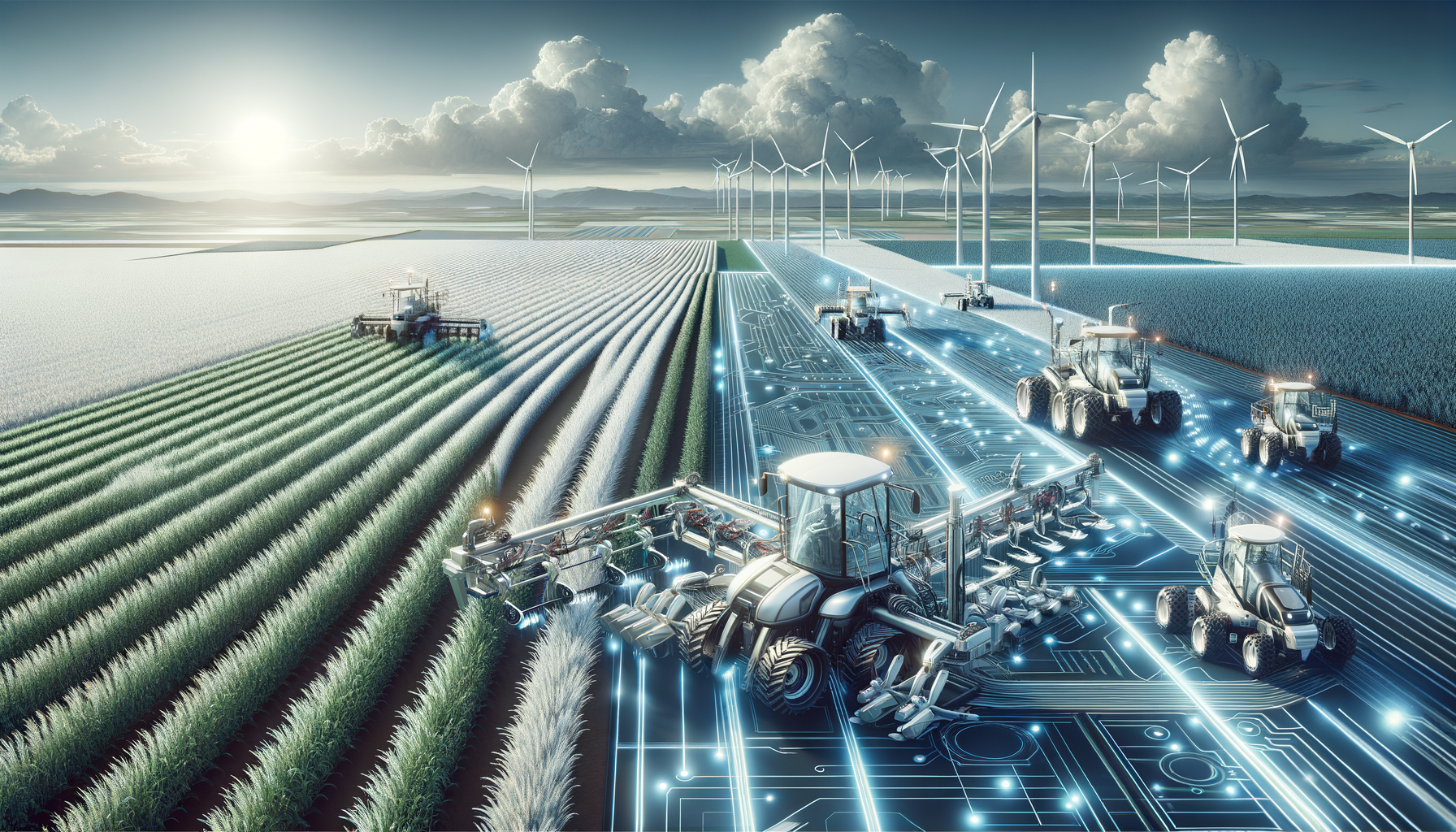
Revolutionizing Farming: The Rise of Agricultural Robotics & Sustainability
India’s agricultural sector is witnessing a technologically induced transformation. At the heart of this revolution is the advent of Agricultural Robotics and their role in ushering in a new era of sustainable farming. This article delves into the world of agricultural automation, highlighting exciting breakthroughs and offering insights on how these advancements are shaping India’s agricultural landscape.
Introduction to Agricultural Robotics
Agricultural robotics refers to the application of advanced robotic technology to agriculture. These smart machines are designed to automate farming tasks that were traditionally done manually or with heavy machinery. From robotic harvesters and precision agriculture to drone farming and automated irrigation systems, robotics is transforming the way we farm, enabling us to produce more with less.
The Influence of Agricultural Robotics on Sustainable Farming
Efficiency and Precision
One of the significant advantages of agricultural robotics is their ability to perform tasks with a level of precision and efficiency that surpasses human capabilities. For instance, robotic harvesters can identify and pick ripe fruits, minimizing waste and maximizing yield. In the Indian context, companies like TartanSense are developing small robots to help small farms increase their yield and income.
Reduced Environment Impact
Robotic systems like drone farming and automated irrigation offer the potential to reduce the impact of farming on the environment significantly. Drones can scan fields and provide data on crop health, soil condition, and pest infestations, allowing farmers to apply inputs only where needed, reducing wastage. Automated irrigation systems, on the other hand, can optimize water usage, a crucial factor in a country like India where water scarcity is a pressing issue.
The Future of Farming: Agricultural Robotics in India
India, with its vast agricultural sector, presents a ripe opportunity for the adoption of agricultural robotics. The country’s drive towards sustainable farming practices, coupled with a growing tech-savvy young population, makes it a fertile ground for robotics innovation.
Adoption of Robotic Technology
India’s agricultural sector is gradually embracing the benefits of robotic technology. Companies such as AgroBot and Green Robot Machinery are developing advanced robotic solutions for tasks like seed sowing, crop monitoring, and harvesting, making a significant impact on farming practices across the country.
Government’s Role in Promoting Robotics
Government initiatives such as the “Make in India” and “Digital India” campaigns have also been instrumental in promoting the adoption of advanced technologies, including robotics, in the agricultural sector. The government’s focus on building a digitally empowered society is encouraging young entrepreneurs to innovate and develop home-grown robotic solutions for agriculture.
Actionable Advice for Robotics Enthusiasts
If you’re a robotics enthusiast looking to make a mark in the agricultural sector, here are a few tips:
- Stay updated on the latest advancements and trends in agricultural robotics.
- Identify problems in the agricultural sector that robotics can solve. Understand the needs of the farmers and develop solutions that cater to these needs.
- Collaborate with agricultural experts and technologists to develop practical and efficient robotic solutions.
- Engage with government initiatives that promote technological innovation in agriculture.
Conclusion
The rise of agricultural robotics is a testament to the transformative power of technology. As India continues to grapple with various agricultural challenges, the adoption of robotics offers a promising pathway to enhance productivity, efficiency, and sustainability in farming. As the world moves towards a future dominated by technology, agricultural robotics is set to play a vital role in shaping India’s agricultural landscape, heralding a new era of sustainable farming.