
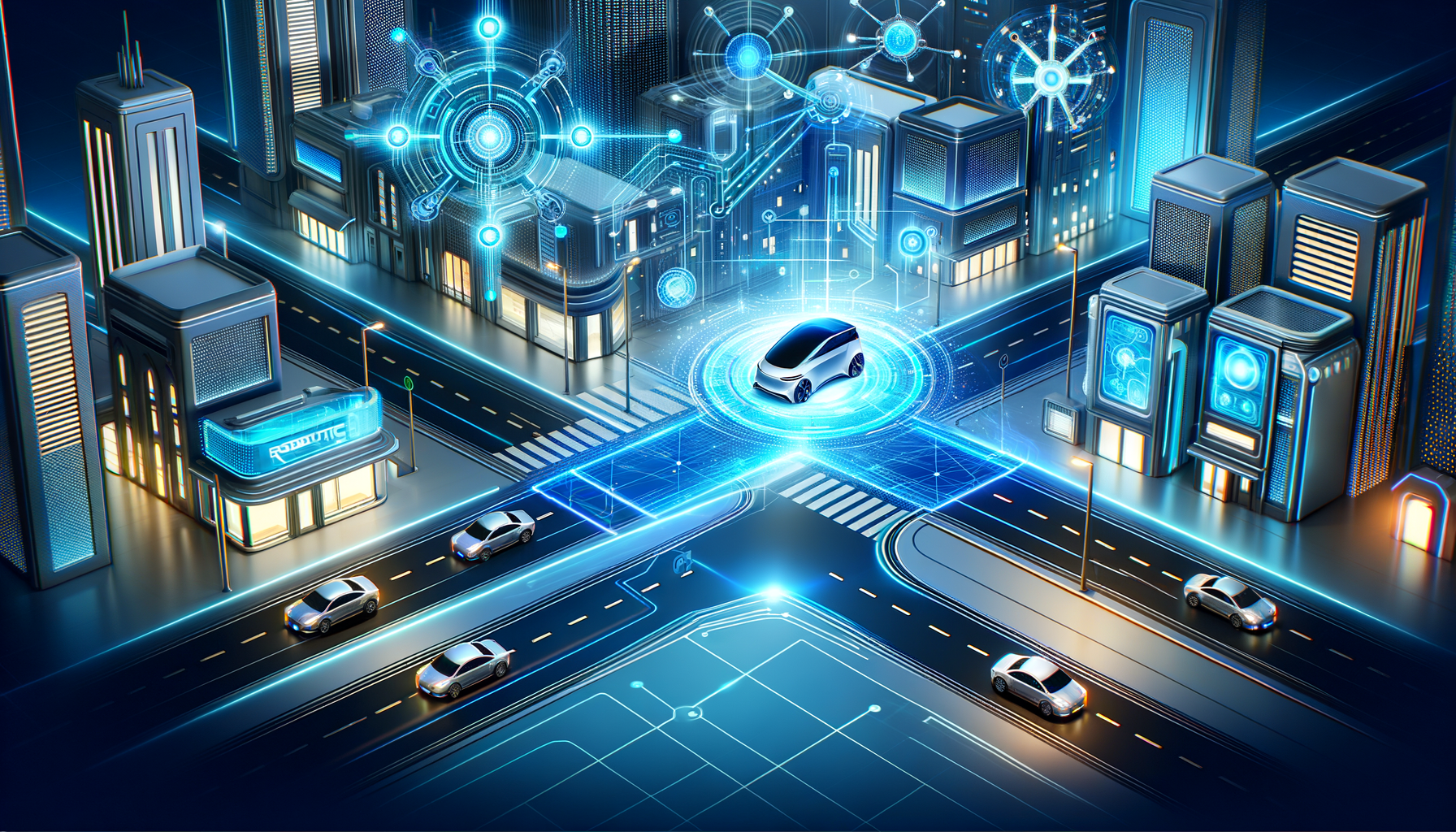
Revving Up: Navigating the Future with Autonomous Vehicles & Robotics
As we stand at the precipice of a new era in automotive technology, India is gearing up to navigate the future with autonomous vehicles and robotics. With advancements in AI navigation, sensor technology, and safety protocols, the Indian robotics market is on a fast track to revolutionising transportation. This post will delve into the intricacies of these developments, offering practical tips for robotics enthusiasts and insights into the future of autonomous vehicles.
Understanding the Landscape of Autonomous Vehicles
The Advent of Self-Driving Cars
Self-driving cars, once a concept limited to science fiction, are now a reality. Companies like Tesla, Uber, and Waymo are already testing their autonomous vehicles on roads worldwide. These vehicles use AI algorithms, LIDAR sensors, and high-definition cameras to manoeuvre through traffic, detect obstacles, and obey traffic rules.
Autonomous Delivery Vehicles
Another notable development in the field of autonomous vehicles is the emergence of autonomous delivery vehicles. Companies like Amazon and Zomato have already started testing their delivery drones and robots in India. These robotic vehicles have the potential to revolutionise last-mile delivery, making it more efficient and cost-effective.
Navigating with AI and Sensor Technology
AI algorithms and sensor technology are the backbone of autonomous vehicles. AI algorithms help these vehicles to learn from their environment, adapt to different situations, and make intelligent decisions, while sensors like LIDAR and RADAR help them to perceive their surroundings accurately.
AI Navigation
AI navigation is a critical component of autonomous vehicles. It enables these vehicles to understand their environment, plan their route, and navigate through traffic. Machine learning algorithms allow these vehicles to learn from their past experiences and improve their performance over time. For example, Tesla’s Autopilot system uses AI to analyse real-time data from its sensors and make intelligent driving decisions.
Sensor Technology
Autonomous vehicles use a range of sensors to perceive their surroundings. These include LIDAR (Light Detection and Ranging) sensors, which create a 3D map of the vehicle’s environment, RADAR (Radio Detection and Ranging) sensors, which detect obstacles and other vehicles, and ultrasonic sensors, which measure the distance between the vehicle and nearby objects. These sensors work together to provide a comprehensive view of the vehicle’s environment and enable it to navigate safely.
Enhancing Safety with Autonomous Vehicles
One of the main benefits of autonomous vehicles is their potential to enhance road safety. By eliminating human error, which is responsible for a significant percentage of road accidents, autonomous vehicles could drastically reduce the number of road accidents and fatalities.
Safety Protocols
Autonomous vehicles are equipped with advanced safety features like automatic emergency braking, lane-keeping assist, and adaptive cruise control. These features help to prevent accidents by detecting potential hazards and taking proactive measures.
Regulatory Frameworks
To ensure the safe deployment of autonomous vehicles, regulatory frameworks are being developed worldwide. In India, the Ministry of Road Transport and Highways is working on a regulatory framework for autonomous vehicles, which will define safety standards and guidelines for testing and deployment.
Practical Tips for Robotics Enthusiasts
For robotics enthusiasts interested in autonomous vehicles, here are some practical tips:
- Stay updated with the latest developments in AI and sensor technology.
- Gain practical experience by working on projects related to autonomous vehicles.
- Participate in hackathons and competitions to showcase your skills and learn from others.
- Network with professionals in the field to gain insights and opportunities.
Conclusion
The advent of autonomous vehicles promises a future of safer, more efficient, and more accessible transportation. As India moves towards this future, it opens up a world of opportunities for robotics enthusiasts. By staying updated with the latest developments and gaining practical experience, you can be a part of this exciting journey. So buckle up and get ready to navigate the future with autonomous vehicles and robotics!