
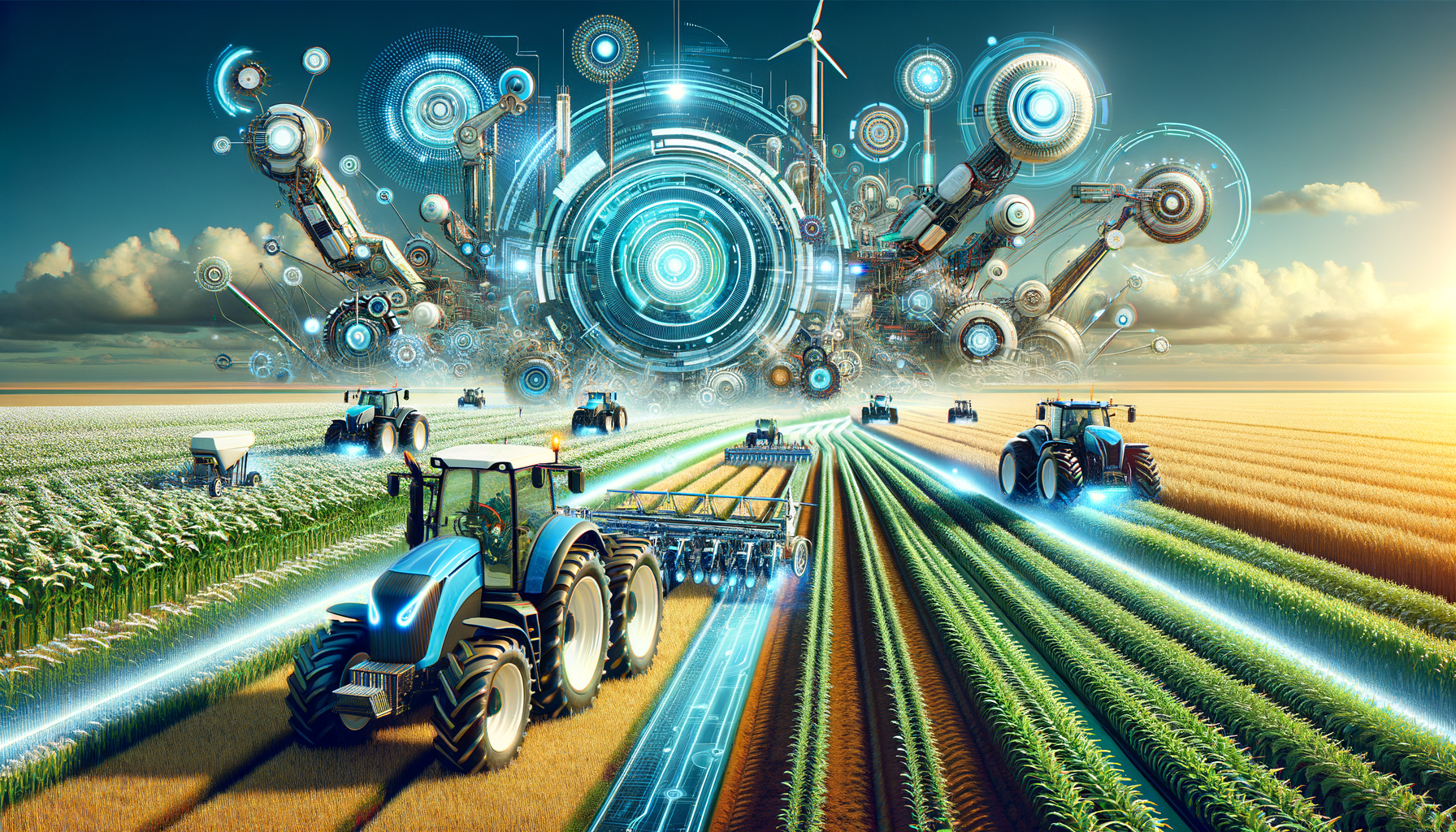
Unlocking Farming Futures: A Deep Dive into Agricultural Robotics
From automated irrigation systems to drone farming and robotic harvesters, the world of agricultural technology is witnessing a paradigm shift. These innovations, which are becoming increasingly prevalent in the Indian market, are paving the way for a future where farming is not just sustainable but also highly efficient. In this post, we will delve deep into the realm of agricultural robotics, exploring how they can revolutionize the way we grow, harvest, and distribute food.
Understanding Agricultural Robotics
The advent of robotics in the agricultural sector, or agricultural robotics, presents a new way of tackling age-old farming dilemmas. By leveraging advancements in robotics and artificial intelligence, farming practices are becoming more precise, efficient, and sustainable. The technology ranges from autonomous tractors to cropdusting drones and robotic harvesters, all aimed at enhancing productivity and reducing human labor.
Robotic Harvesters: The Future of Crop Harvesting
Robotic harvesters are machines designed to autonomously pick and process fruits or vegetables in the field. For instance, in India’s vast mango orchards, an autonomous harvester can efficiently pick ripe mangoes without damaging the tree or the fruit. These robotic systems are equipped with sophisticated sensors and machine learning algorithms that allow them to identify ripe fruits, navigate through the orchard, and even sort the harvested fruits based on their quality.
Drone Farming: Precision Agriculture from Above
Drones, or unmanned aerial vehicles (UAVs), are becoming increasingly popular in the agricultural landscape. They offer a bird’s eye view of the farm, providing real-time data on crop health, soil condition, and other critical factors. In India, drones are being used extensively for precision agriculture, enabling farmers to manage their resources more efficiently and minimize environmental impact.
Automated Irrigation Systems: Smart Water Management
Water scarcity is a pressing issue in many parts of India. Automated irrigation systems powered by robotics and AI can address this issue by providing optimal water to crops when they need it the most. These systems use sensors to monitor soil moisture levels and weather forecasts to determine the best irrigation schedule, thereby conserving water while ensuring the health of the crops.
Practical Tips for Agricultural Robotics Enthusiasts
- Understand the Technology: As an enthusiast, it’s essential to understand the underlying technology behind agricultural robotics. This includes learning about sensors, machine learning algorithms, and other key components that make these robots work.
- Follow the Latest Trends: The world of agricultural robotics is evolving rapidly. Stay updated with the latest trends and technologies by following industry leaders and attending webinars, conferences, and workshops.
- Hands-on Experience: There’s no better way to learn than by doing. Try to get hands-on experience with agricultural robots, whether through internships, projects, or DIY kits.
A Look Towards the Future
The future of agricultural robotics in India looks promising. With increasing investments in technology and a growing emphasis on sustainable farming, the sector is poised for significant growth. Moreover, as the technology becomes more affordable and accessible, it’s likely to permeate further into India’s rural heartland, heralding a new era of farming that’s efficient, sustainable, and less labor-intensive.
Conclusion
Agricultural robotics is not just about transforming farming; it’s about reshaping our relationship with food. By automating labor-intensive tasks, these technologies are freeing up farmers to focus on more strategic aspects of farming. Moreover, they’re making farming more sustainable and efficient, helping us feed a growing population without depleting our natural resources. As we continue to innovate and explore new uses for robotics in agriculture, the future of farming in India and the world at large looks incredibly bright.