
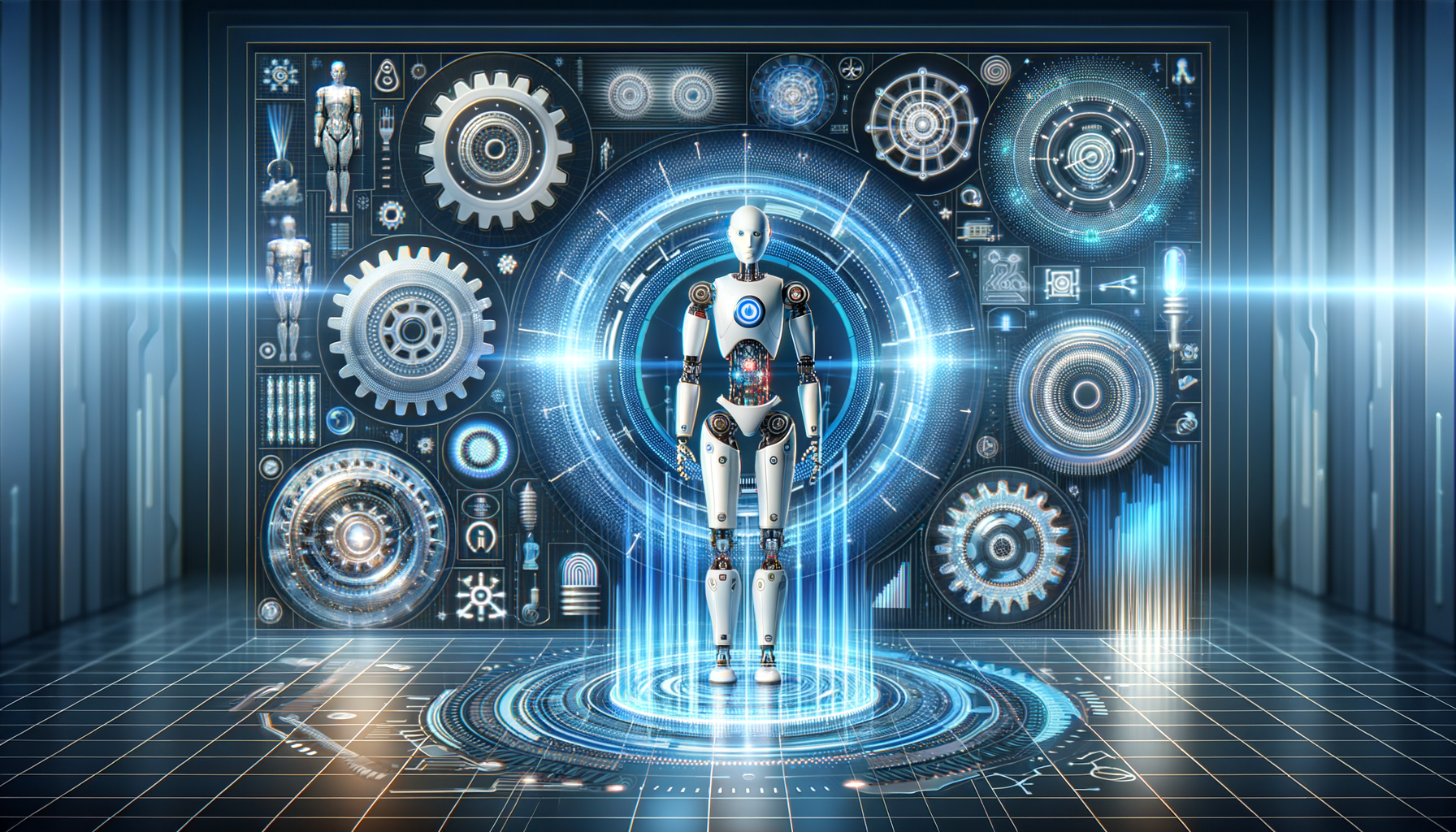
Exploring the Future: Unveiling the Mystique of Humanoid Robots
Envision a future where robots are not only our companions but also our caregivers, teachers, and even coworkers. This fascinating world is not too far away, and humanoid robots are at the forefront of this revolution. They are a perfect blend of mechanical engineering, computer science, and artificial intelligence. As we delve deeper into the mystique of humanoid robots, we will explore their evolution, impact on society, and potential future, particularly focusing on the burgeoning Indian robotics market.
Understanding Humanoid Robots
Humanoid robots, as the name suggests, are robots designed to resemble and mimic human behavior. They have a body structure similar to a human, including a head, limbs, and often facial features. They are built to interact with human tools and environments, from door handles to stairs, in a human-like manner.
The Evolution of Humanoid Robots
The history of humanoid robots is a fascinating journey. Engineers and innovators have made significant strides in this field, bringing us closer to a future where robots and humans coexist. One of the first humanoid robots was “Elektro,” built by Westinghouse Electric Corporation in 1939. Fast forward to the 21st century, and we have robots like Sophia, developed by Hanson Robotics, who can interact with humans and display more than 60 facial expressions.
The Impact of Humanoid Robots on Society
Humanoid robots are gradually becoming a part of our everyday lives. They are being employed in various sectors, including healthcare, education, and entertainment.
Healthcare
In the healthcare sector, humanoid robots are being used for patient care and rehabilitation. For instance, the Japanese robot ‘Robear’ helps lift patients and assists in their mobility. In India, robots like ‘Mitra’ are being employed in hospitals to interact with COVID-19 patients, reducing the risk of infection for healthcare workers.
Education
Humanoid robots are revolutionizing the education sector by making learning more interactive and engaging. Robots like ‘Pepper’ and ‘Nao’ are being used in classrooms to teach subjects like coding and mathematics. In India, robots like ‘RoboKind’ are helping children with autism by providing therapy and social interaction.
The Future of Humanoid Robots
While humanoid robots have already achieved impressive feats, the journey has just begun. With advancements in artificial intelligence and machine learning, their capabilities will only expand.
Artificial Intelligence Integration
Artificial Intelligence (AI) is the cornerstone of future humanoid robots. Through AI and machine learning, robots can understand and learn from their environments, making their interactions more natural and human-like. For instance, ‘Sophia’ uses AI to process speech and return engaging responses.
Human-Robot Interaction
The future of humanoid robots lies in perfecting human-robot interaction. Robots will need to understand and respond appropriately to human emotions and social cues. This will require advancements in areas like emotion recognition and natural language processing.
Practical Tips for Robotics Enthusiasts
If you are fascinated by humanoid robots and want to delve deeper into this field, here are a few tips:
- Stay curious and keep learning – The field of robotics is vast and continually evolving. Keep yourself updated with the latest trends and technologies.
- Get hands-on experience – Build your own robots using kits available in the market. This will give you a practical understanding of how robots work.
- Join robotics communities – Find like-minded people who share your passion for robotics. They can provide valuable insights and guidance.
Conclusion
The future of humanoid robots is exciting and full of potential. While they are already changing the landscape of various sectors, their true potential will be unveiled as they become more integrated with AI and become better at interacting with humans. For robotics enthusiasts, there has never been a better time to dive into this intriguing world of humanoid robots. As the Indian robotics market continues to grow, we can expect to see even more impressive advancements in the field.