
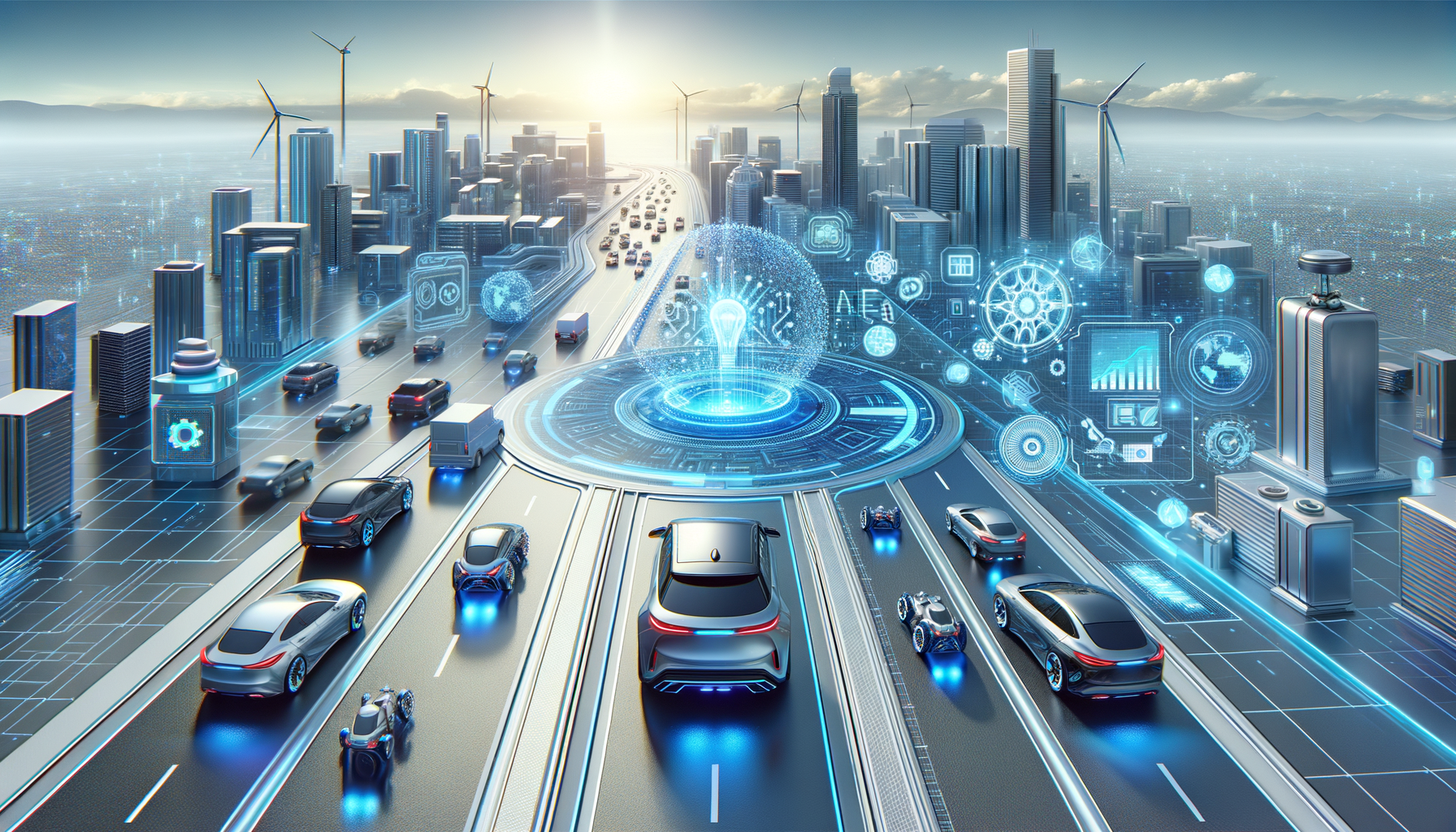
Revving Up the Future: Data Insights on Autonomous Vehicles & AI
As we navigate the fast-paced digital transformation era, one sector is revving up considerable enthusiasm – autonomous vehicles. This sector, powered by the fusion of Robotics and Artificial Intelligence (AI), has the potential to revolutionize our everyday life and redefine mobility as we know it. This blog post dives into the data insights shedding light on the rapid developments and future trends of autonomous vehicles in the burgeoning Indian robotics market.
The Dawn of Autonomous Vehicles in India
India, with its tech-driven initiatives and growing digital economy, is carving a niche in the global autonomous vehicle market. The government’s push towards digitalization, coupled with an increasing number of technology innovators, is fueling this trend. According to a recent report by Allied Market Research, India’s autonomous vehicle market is expected to grow at a CAGR of 39.6% from 2021 to 2030. This rapid growth indicates a promising future and abundant opportunities for robotics enthusiasts in the country.
Government Initiatives and Regulatory Framework
The Indian government’s move to set up the International Centre for Transformative AI (ICTAI) reflects its commitment to accelerate the adoption of AI and robotics technologies. Moreover, the draft ‘Automated Vehicles for Safe and Intelligent Transport’ (AVFSIT) policy shows India’s initiative towards regulating autonomous vehicles. The policy aims to ensure safety, encourage innovation, and define liability in case of accidents, providing a comprehensive regulatory framework to foster growth.
Key Technology Drivers: AI and Sensor Technology
Autonomous vehicles are a testament to the power of AI, particularly Machine Learning (ML) and Deep Learning (DL). These technologies help vehicles perceive their environment, make decisions, and learn from experience, effectively simulating human-like driving.
AI Navigation
AI navigation is the linchpin of autonomous driving. It relies on ML algorithms to process data from sensors, radars, and cameras, enabling vehicles to identify objects, predict their movements, and navigate safely. Indian startups like Flux Auto are using AI to develop cost-effective autonomous driving solutions.
Sensor Technology
Sensors play a crucial role in providing real-time data to the AI system. Lidar, radar, and cameras are commonly used sensors in autonomous vehicles. Companies like Hi-Tech Robotic Systemz are pioneering sensor technology in India, offering solutions for autonomous industrial vehicles.
Practical Tips for Robotics Enthusiasts
- Stay Informed: Keep yourself updated with the latest developments in AI and robotics. Attend seminars, webinars, and workshops related to autonomous vehicles.
- Hands-On Experience: Working on real-world projects gives valuable insights into the challenges and solutions in the robotics field. Participate in robotics competitions or intern at robotics companies.
- Networking: Connect with professionals in the field. They can provide guidance and potentially open doors to opportunities.
Conclusion
Autonomous vehicles, powered by AI and robotics, are on the fast track to transforming the future of transportation. With supportive government policies, innovative startups, and a burgeoning market, India is strategically poised in this global race. As robotics enthusiasts, it’s an exciting time to be part of this revolution, turning sci-fi imagination into reality.
Stay tuned to our blog for more insights into the world of robotics and AI. Let’s continue to explore, learn, and grow in this fascinating world of technology!