
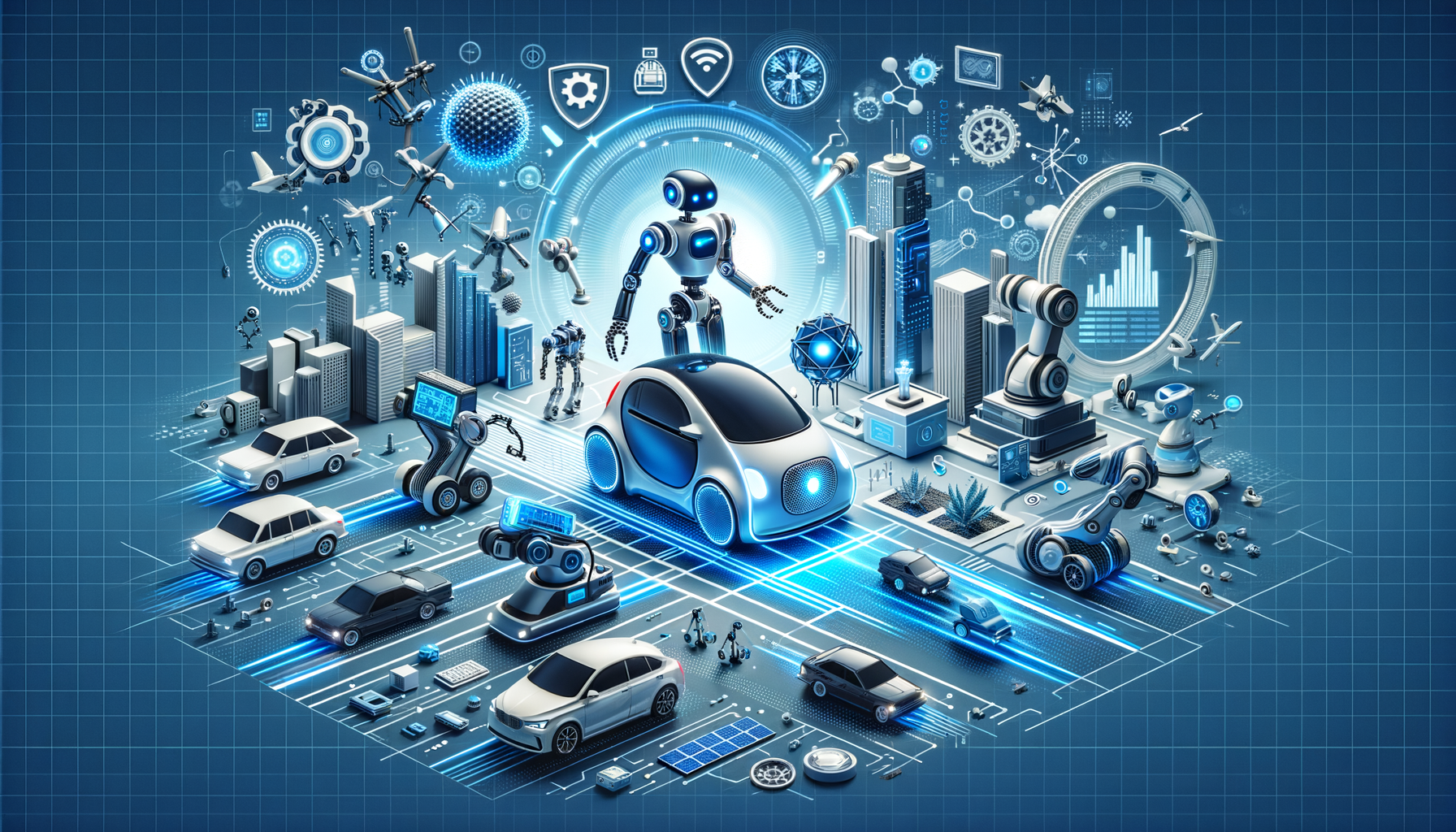
Revving Up Robotics: Navigating the Future of Autonomous Vehicles
As we step into the future, the world of robotics continues to expand, revolutionizing numerous sectors, including transportation. Autonomous vehicles (AVs) are steering the wheel of this change, promising a future of safer, efficient, and more sustainable transport. In this blog post, we delve into the latest developments in autonomous vehicle technology, focusing particularly on the burgeoning Indian robotics market.
Accelerating Towards Autonomy: Overview of Autonomous Vehicles
Autonomous vehicles, also known as self-driving cars, employ advanced sensor technologies, artificial intelligence (AI), and machine learning algorithms to navigate roads without human intervention. From Tesla’s Autopilot to Google’s Waymo, several players are making significant strides in AV technology. However, the road to full autonomy is laden with challenges, including technological hurdles, safety issues, and regulatory constraints.
Key Components of Autonomous Vehicles
- Sensors: These include LiDAR, radar, and cameras that gather data about the vehicle’s surroundings.
- AI and Machine Learning: These technologies process the sensor data to understand the environment and make driving decisions.
- Control Systems: These implement the decisions of the AI by controlling the vehicle’s acceleration, steering, and braking.
Driving Through the Indian Robotics Market
India, with its burgeoning tech industry and ambitious Smart Cities Mission, is emerging as a significant player in the global AV landscape. Indian robotics companies like Hi-Tech Robotic Systemz and Flux Auto are making headway in autonomous vehicle technology, catering to both domestic and international markets.
Hi-Tech Robotic Systemz
Hi-Tech Robotic Systemz is an Indian robotics company that has developed an autonomous vehicle system called Novus Drive. Designed for industrial and commercial use, Novus Drive can navigate complex environments without human intervention.
Flux Auto
Flux Auto is another Indian startup that’s making waves in the autonomous vehicle industry. Their retrofit autonomous system can transform any truck into a self-driving vehicle, potentially revolutionizing India’s massive logistics sector.
Navigating the Road Ahead: Future Prospects and Challenges
Despite the promising developments, there are several challenges to the widespread adoption of autonomous vehicles, such as the need for robust safety protocols, regulatory frameworks, and public acceptance. However, with continued technological advancements and strategic collaborations, the future of autonomous vehicles looks bright.
AI Navigation and Sensor Technology
Advancements in AI navigation and sensor technology are improving the performance and reliability of autonomous vehicles. For instance, the development of solid-state LiDAR sensors promises to enhance the vehicles’ perception capabilities while reducing costs.
Safety Protocols and Regulatory Frameworks
Ensuring the safety of autonomous vehicles is paramount. Stringent safety protocols and regulatory frameworks can help mitigate risks and build public trust in AV technology.
Guiding Tips for Robotics Enthusiasts
For those keen on exploring the world of autonomous vehicles, here are a few tips:
- Stay updated with the latest developments in AI, machine learning, and sensor technology.
- Participate in online forums and communities dedicated to autonomous vehicles and robotics.
- Engage in practical projects and competitions, such as the Indian Robotics Challenge.
Conclusion
As we navigate the future of transportation, autonomous vehicles stand at the forefront, promising a revolution in the way we travel. While challenges persist, continuous advancements in technology and progressive regulatory frameworks are driving us closer to a world where autonomous vehicles are the norm. The Indian robotics market, with its innovative startups and ambitious initiatives, is poised to play a crucial role in this exciting journey.