
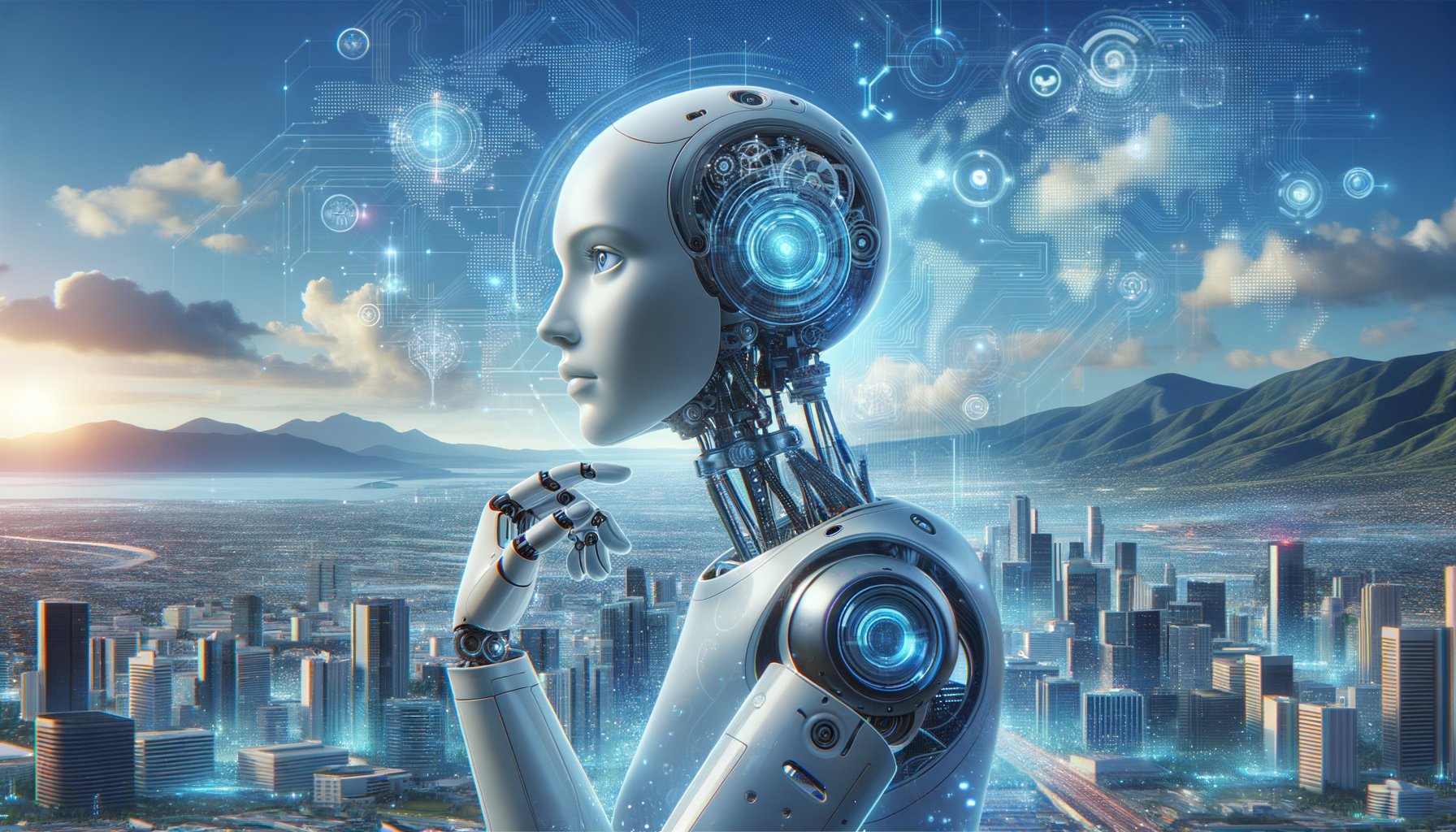
Unveiling the Future: Humanoid Robots Redefining AI Integration & Society
Robotics, once a concept confined to the realm of science fiction, has rapidly evolved into an integral part of our lives. Nowhere is this more evident than in the rise of humanoid robots. These intelligent machines, designed to mimic human appearance and behavior, are not only revolutionizing the field of artificial intelligence (AI) but also profoundly shaping society. Let’s delve into the world of humanoid robots and their significant impact, with a special focus on the burgeoning Indian robotics market.
The Evolution of Humanoid Robots
Humanoid robots are a fascinating blend of engineering, AI, and social sciences. They mirror human form and functions, aiming to perform tasks in a manner similar to humans. From the world’s first humanoid robot, WABOT-1, developed in Japan in 1973, to modern marvels like Boston Dynamics’ Atlas and Hanson Robotics’ Sophia, humanoid robots have come a long way.
India’s Stance in Humanoid Robotics
In India, the rise of humanoid robotics is creating waves. Startups like Invento Robotics have developed Mitra, a humanoid robot that can interact with people using facial and speech recognition. Another promising project is Manav by A-SET Robotics, India’s first 3D printed humanoid robot, demonstrating the potential of Indian innovation in this field.
Artificial Intelligence Integration
Humanoid robots are the epitome of AI integration. They leverage cutting-edge technologies like machine learning, natural language processing, and computer vision to interpret and respond to their surroundings. This integration allows humanoid robots to learn from their experiences, improve their responses, and make complex decisions – a crucial step towards achieving genuine AI.
AI in Indian Robotics
Indian researchers are making significant strides in AI integration. For instance, IIT Madras has developed a unique AI model for humanoid robots that can understand and respond to visual and auditory cues, paving the way for more advanced human-robot interactions.
Humanoid Robots and Society
Humanoid robots are not just technological marvels; they are also transforming our society. By taking over routine tasks, they free up humans to focus on more complex and creative aspects of work. Additionally, their application in sectors like healthcare, education, and customer service is revolutionizing these industries.
Impact on Indian Society
In India, humanoid robots are breaking barriers in education and healthcare. Robots like Nino, developed by Robotronics, are helping children learn STEM subjects interactively. In healthcare, robots are assisting in surgeries, providing care for the elderly, and even helping in the fight against COVID-19.
Practical Tips for Robotics Enthusiasts
- Stay Updated: The field of humanoid robotics is evolving rapidly. Stay abreast of the latest trends and developments.
- Get Hands-On: Theory is crucial, but practical experience is invaluable. Participate in robotics workshops and competitions.
- Network: Connect with like-minded individuals, join robotics clubs, and attend industry events. Networking can open up opportunities for collaboration and learning.
Conclusion
Humanoid robots, with their advanced AI integration and transformative societal impact, are ushering in a new era in technology. India, with its vibrant startup ecosystem and innovative research institutions, is poised to be a significant player in this revolution. As we continue to explore the frontier of what’s possible with humanoid robots, one thing is clear: the future of robotics is not just about machines; it’s about the humans they serve and the societies they shape.