
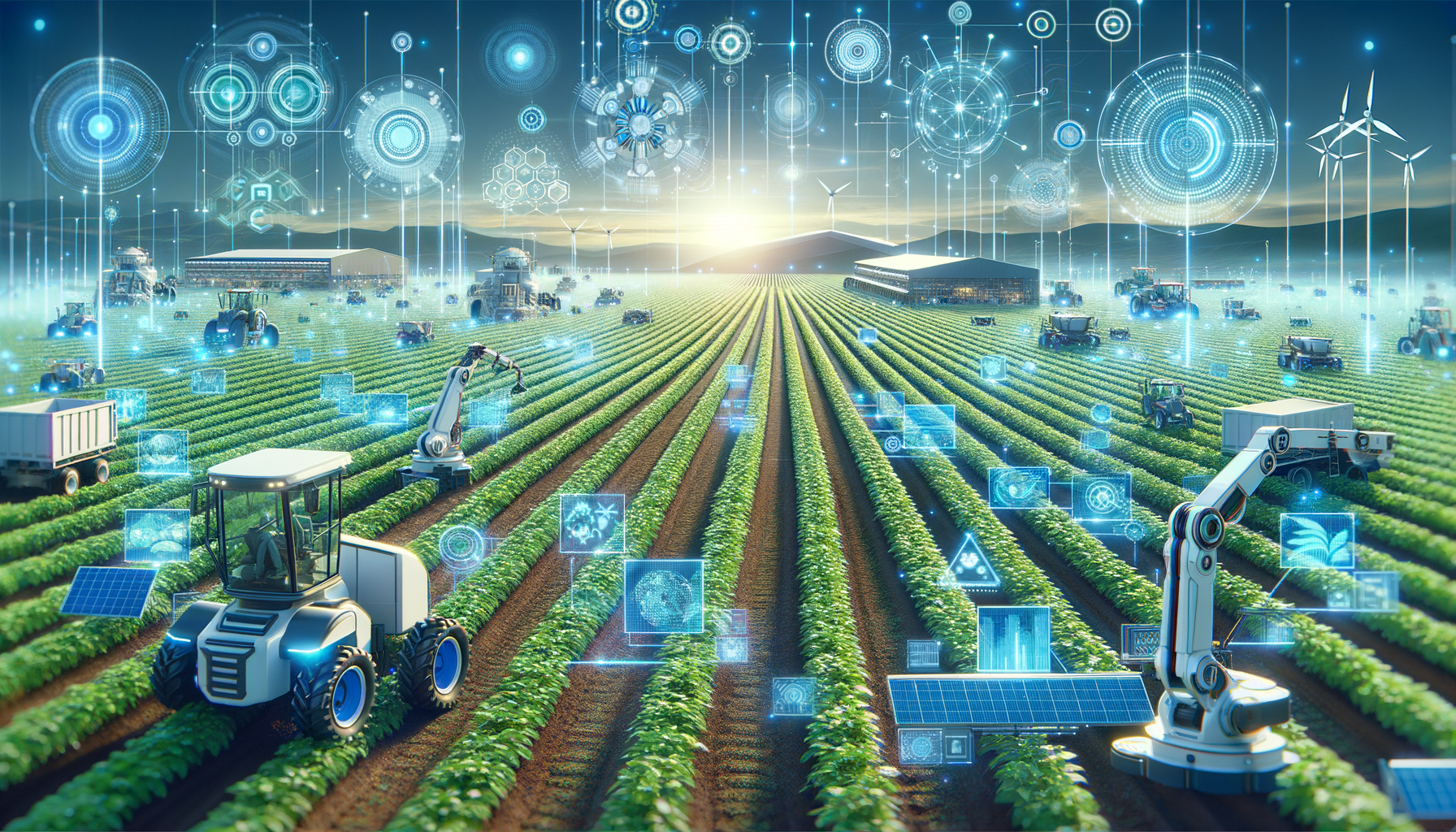
Overcoming Hurdles: Unpacking the Challenges in Agricultural Robotics
The advent of agricultural robotics promises a new era of farming efficiency, sustainability, and productivity. However, like all technological advancements, it brings its set of challenges. This article delves into the hurdles faced in the adoption and implementation of agricultural robotics, especially within the context of the burgeoning Indian robotics market.
Introduction
Agricultural robotics, a combination of precision agriculture and automation, offers potential solutions to numerous challenges in the farming sector. From robotic harvesters to drone farming and automated irrigation systems, the promise of reducing manual labour, increasing yield, and contributing to sustainable farming is alluring. Yet, the road to widespread adoption is fraught with obstacles that need to be addressed.
Technological Challenges
Complexity of Tasks
Unlike industrial robotics, which performs repetitive tasks in a controlled environment, agricultural robots operate in an unpredictable, variable environment. The robots must be capable of handling a wide variety of tasks, like identifying ripe crops, dealing with different weather conditions, and navigating through uneven terrains. This requires advanced AI, machine learning, and computer vision technologies, which are still being refined.
Robustness and Reliability
Agricultural robots need to be sturdy and reliable as they are expected to work in harsh outdoor conditions. Developing such robust robots that can withstand these conditions while maintaining high performance is a significant challenge.
Economic Challenges
High Initial Investment
Considering the Indian market, the high initial cost of agricultural robots is a considerable barrier. Small and marginal farmers, who constitute a significant portion of the Indian farming community, may find it difficult to afford these advanced farming tools. Additionally, the return on investment (ROI) period can be quite long, which can deter potential buyers.
Lack of Skilled Personnel
Operating and maintaining agricultural robots require a certain level of technological knowledge and skill. There’s a lack of skilled personnel in the rural areas of India, which can hinder the adoption of these robotic solutions.
Social and Regulatory Challenges
Resistance to Change
There may be resistance to adopting new technologies, especially in communities that have been farming in traditional ways for generations. Convincing these farmers about the benefits of agricultural robotics can be a daunting task.
Regulatory Constraints
In countries like India, the use of drones for agricultural purposes is still under strict regulation, which can slow down the adoption of some forms of agricultural robotics.
Overcoming the Challenges
Addressing these challenges requires a multi-faceted approach. Here are a few practical tips:
- Developing simpler, cost-effective robotic solutions that cater to the needs of small and marginal farmers can help widen the adoption base.
- Public-private partnerships can play a significant role in providing financial aid and subsidies to farmers for adopting these technologies.
- Conducting workshops and training programs can help equip farmers with the necessary skills to operate and maintain these robots.
- Efforts should be made to relax regulatory constraints surrounding the use of agricultural robotics, ensuring they are still within safe and ethical boundaries.
Conclusion
Agricultural robotics hold immense potential to revolutionize farming practices, especially in countries like India. While the challenges are significant, they are not insurmountable. With concerted effort from all stakeholders, the benefits of agricultural robotics can be realized, ushering in an era of sustainable and efficient farming.