
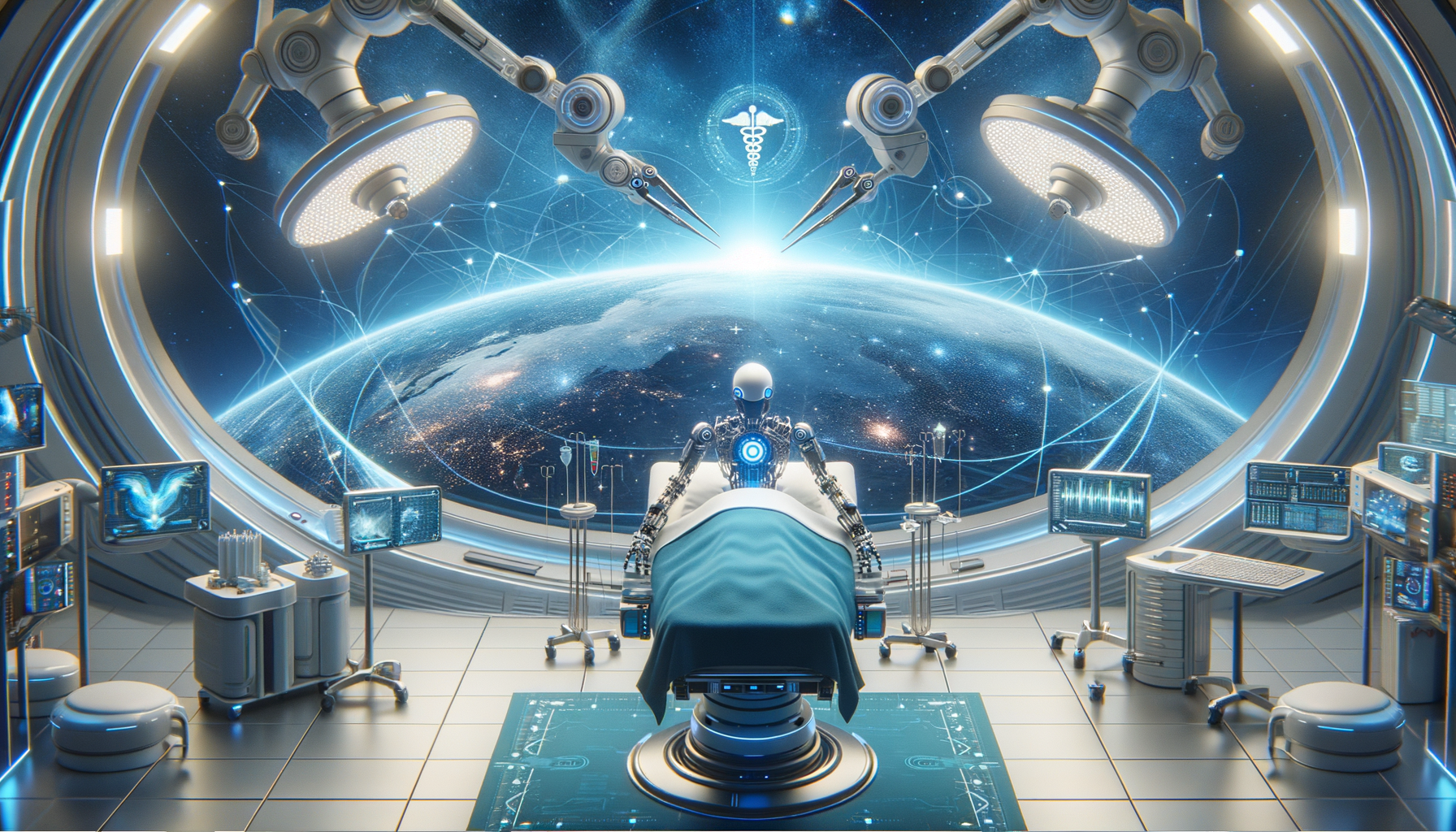
Revolutionizing Healthcare: Unveiling the Impact of Robotics in Medicine
In the ever-evolving field of medicine, technology continues to play a pivotal role. Among the technological advancements in healthcare, robotics stands out as a groundbreaking innovation. From surgical robots to diagnostic automation, robotics is reshaping the landscape of healthcare and medicine, especially in the burgeoning market of India. As we delve into this topic, we’ll explore the significant impacts and applications of robotics in medicine.
The Advent of Surgical Robots
One of the most widely recognized applications of robotics in medicine is in the realm of surgery. Surgical robots, such as the da Vinci Surgical System, have brought a new level of precision to complex procedures, minimizing the risk of human error and enhancing patient outcomes.
How Surgical Robots Work
Surgical robots are operated by surgeons from a console. They can make precise movements, reducing the risk of damage to healthy tissues during surgery. They also offer better visualization of the surgical site, as they can magnify and project 3D images of the area being operated on.
Impact on Indian Healthcare
In India, a country known for its rapid technological advancement, surgical robots are making a significant impact. Hospitals are leveraging this technology to conduct complex procedures with increased accuracy and less invasive methods, reducing recovery times for patients.
Rehabilitation Devices and Elderly Care Robots
Beyond surgery, robotics finds a significant application in rehabilitation and elderly care. Robotic rehabilitation devices assist patients in regaining motor functions after strokes or injuries. Similarly, elderly care robots, like the PARO therapeutic robot, provide companionship and assistance to the elderly, improving their quality of life.
Practical Tips for Robotics Enthusiasts
- Stay updated with the latest developments in healthcare robotics. Follow relevant blogs, journals, and social media groups.
- Consider participating in robotics workshops and webinars to gain practical knowledge.
- Look for opportunities to engage with professionals in the field of healthcare robotics. Networking is key to understanding the practical applications and challenges of robotics in medical settings.
Diagnostic Automation and Robotic Prosthetics
Robotic technology has also revolutionized diagnostic procedures, making them more accurate and efficient. Robotic systems like Roche’s cobas e 801 can automate multiple stages of diagnostics, thereby reducing manual errors and increasing productivity. Additionally, robotic prosthetics have given a new lease of life to amputees, providing them with artificial limbs that mimic the functionality of natural ones.
Impact on Indian Healthcare
India, with its vast population and growing healthcare needs, has embraced these robotic technologies. Diagnostic automation has increased the speed and accuracy of medical tests, while robotic prosthetics are providing affordable and effective solutions for amputees across the country.
Conclusion
Robotics is truly revolutionizing healthcare, breaking new ground in surgical procedures, rehabilitation, elderly care, diagnostics, and prosthetics. For robotics enthusiasts, it’s an exciting field with endless opportunities for innovation and impact. The Indian healthcare sector, with its openness to technological advancements and growing healthcare needs, stands to benefit tremendously from these developments. As we move forward, we can expect to see even more examples of how robotics is transforming medicine.
Final Words for Robotics Enthusiasts
Whether you’re a budding robotics engineer or an avid follower of technological trends, it’s clear that the future of medicine lies in robotics. Stay curious, keep learning, and you might just be part of the next big breakthrough in healthcare robotics.