
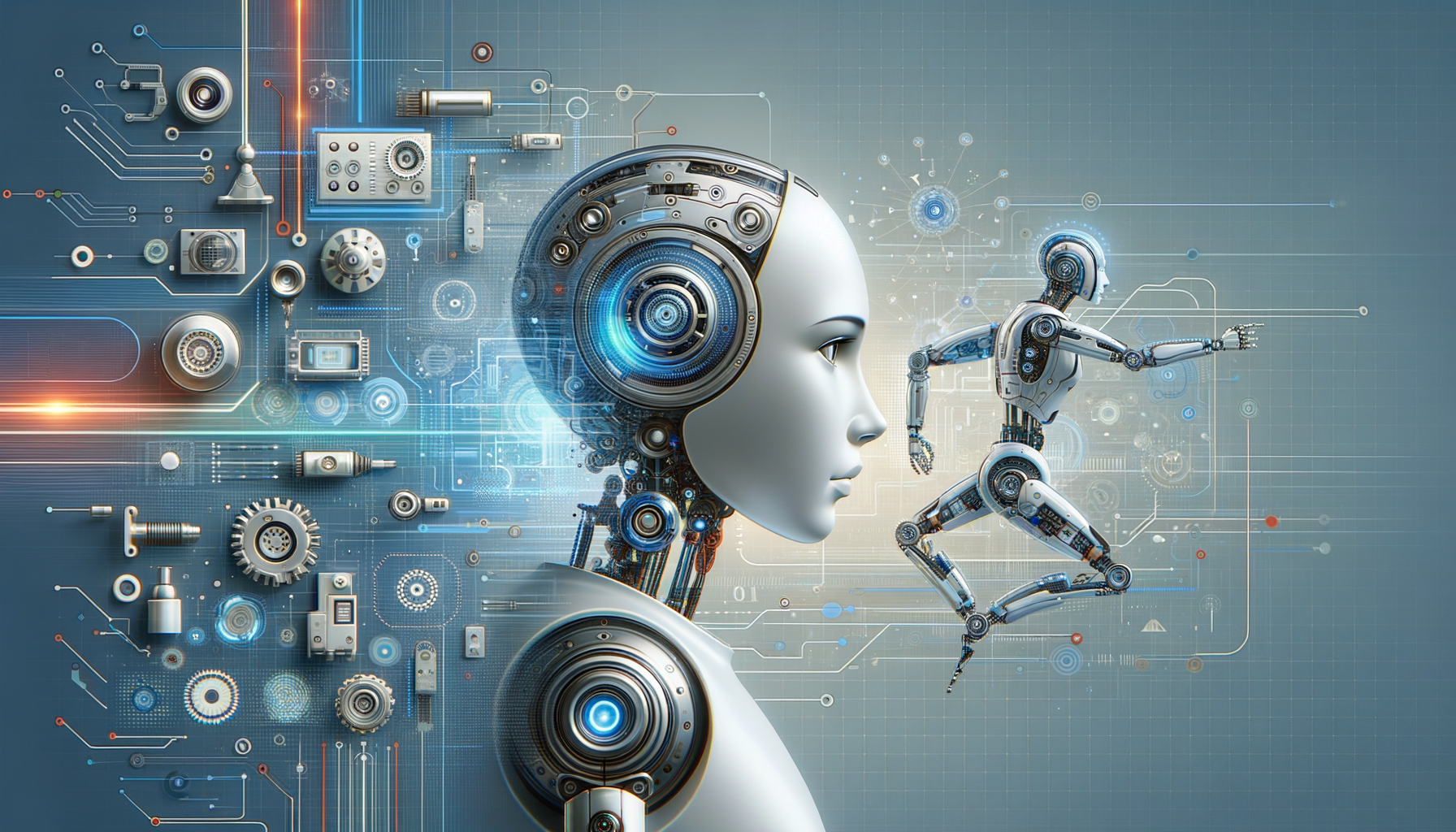
Unveiling the Future: A Deep Dive into the World of Humanoid Robots
In the realm of robotics, one segment that continues to stimulate curiosity and excitement is humanoid robots. These human-like machines are not merely a figment of science fiction anymore; they are now realities that are progressively integrating into our everyday lives. In this article, we will delve into the world of humanoid robots, with a special emphasis on the burgeoning robotics market in India.
Understanding Humanoid Robots
Humanoid robots, as the term suggests, are robots designed to mimic human behavior and characteristics. To qualify as a humanoid, a robot usually needs to have a body structure similar to that of a human, including a torso, a head, two arms, and two legs, although the degree of resemblance can vary greatly.
Bipedal Locomotion
The ability to move on two legs, or bipedal locomotion, is a key feature of humanoid robots. This allows them to navigate human spaces, climb stairs, and even dance. Take, for example, Boston Dynamics’ Atlas robot – a bipedal humanoid that can perform backflips and navigate rough terrain.
Human-Robot Interaction
Humanoid robots are designed to interact with humans in a natural and intuitive way. They are often equipped with speech recognition and natural language processing capabilities to communicate effectively. India’s Mitra robot, developed by Invento Robotics, is a great example. Mitra can interact with humans, recognize faces, and even perform tasks like taking temperatures and dispensing sanitizer.
Social Robotics and Artificial Intelligence Integration
Humanoid robots aren’t just physical replicas of humans; they are also designed to understand, learn from, and interact with their environment. This is where artificial intelligence (AI) comes into play.
Social Robotics
Social robots are humanoid robots capable of interacting with humans and their surroundings in a socially acceptable manner. They are often used in customer service, education, and healthcare settings. For instance, SoftBank’s Pepper robot is a social humanoid that can recognize and respond to human emotions.
Artificial Intelligence Integration
AI integration is what brings humanoid robots to life, enabling them to learn, adapt, and even make decisions. For example, Hanson Robotics’ Sophia, the world’s first robot citizen, uses AI to process speech, understand context, and respond intelligently.
Future of Humanoid Companions
As AI and robotics technologies advance, humanoid robots are expected to become increasingly common in our daily lives. They may serve as companions, caretakers, teachers, and even coworkers. The Indian market, with its booming tech scene, is fertile ground for such advancements.
Practical Tips for Robotics Enthusiasts
- Stay abreast of the latest developments in AI and robotics. Regularly reading industry publications and attending seminars or webinars can help you keep up-to-date.
- Develop your coding skills. Python is a particularly useful language in robotics and AI.
- Consider joining a robotics club or community, where you can learn from and collaborate with others who share your interests.
- Experiment with building and programming your own robots. Hands-on experience is invaluable in this field.
Conclusion
Humanoid robots are more than just technological marvels; they are testaments to human ingenuity and the limitless possibilities of AI. As we continue to push the boundaries of what these robots can do, we are also shaping the future of how we live, work, and interact. For India, with its rapidly growing tech industry, the rise of humanoid robots presents a world of opportunities and challenges that we are only beginning to explore.