
Unlocking Efficiency: A Beginner’s Guide to Industrial Robotics & Automation
As we move further into the 21st century, the impact of robotics and automation on the industrial sector is becoming increasingly evident. In India, a country with a rapidly developing manufacturing sector, the potential for industrial robotics is immense. But what does this mean for you? Whether you’re a business owner looking to optimize your processes or a hobbyist interested in the latest technology trends, this beginner’s guide will give you a comprehensive understanding of industrial robotics and automation.
1. Understanding Industrial Robotics
1.1 What are Industrial Robots?
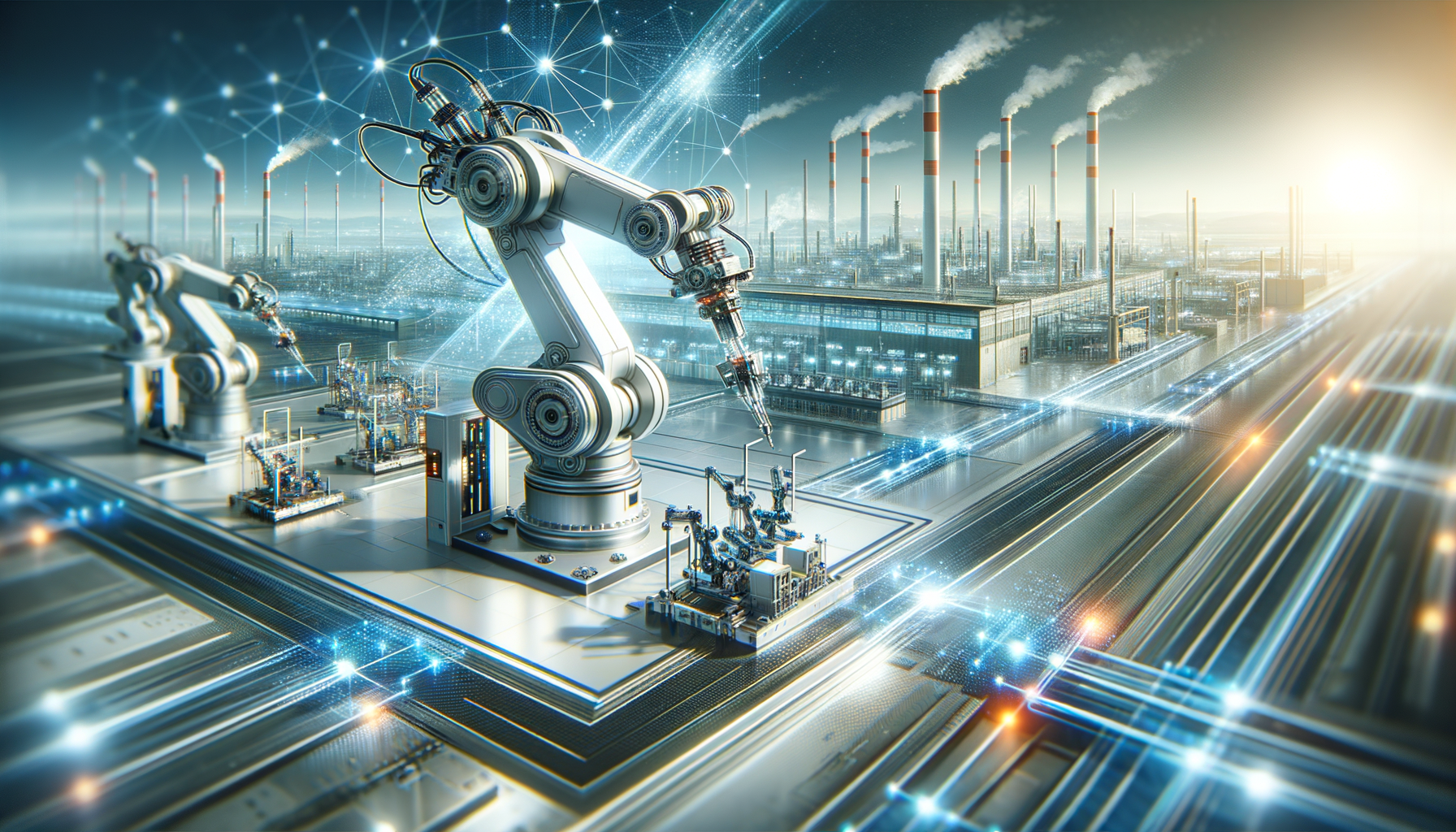
Industrial robots are programmable machines designed to perform complex tasks with high precision and speed. They are primarily used in manufacturing and assembly lines to increase productivity, reduce errors, and improve safety. Examples of industrial robots include robotic arms, CNC machines, and automated quality control systems.
1.2 Applications of Industrial Robots
Industrial robots have a wide range of applications. In the automotive industry, for instance, robotic arms are used for tasks such as welding, painting, and assembly. In electronics manufacturing, they’re used for circuit board assembly and testing. Other industries that heavily utilize industrial robots include food processing, pharmaceuticals, and textiles.
2. The Role of Automation in Industry
2.1 What is Industrial Automation?
Industrial automation involves the use of control systems such as computers or robots, and information technologies for handling different processes and machineries in an industry to replace a human being. It is the second step beyond mechanization in the scope of industrialization.
2.2 Benefits of Automation
- Increased Productivity: Automation allows for 24/7 operation without breaks, increasing the overall output.
- Improved Quality: Automated processes are highly accurate and consistent, leading to higher quality products.
- Enhanced Safety: Robots can perform dangerous tasks, reducing the risk of injuries.
- Cost Reduction: With automation, the costs associated with human error and inefficiency are significantly reduced.
3. Industrial IoT and Robotics
The Industrial Internet of Things (IIoT) refers to the interconnectivity of industrial devices via the internet. When integrated with robotics, IIoT can provide real-time monitoring and control of industrial processes, predictive maintenance, and data analytics, leading to further efficiency and productivity gains.
4. Practical Tips for Implementing Industrial Robotics and Automation
4.1 Start Small
Implementing robotics and automation is a significant investment, so it’s wise to start small. Begin by automating a single process or purchasing a single robot, then scale up as you see the benefits.
4.2 Choose the Right Robot
Not all robots are created equal. Consider your specific needs and choose a robot that can meet those needs most effectively. For instance, a CNC machine might be best for precision machining, while a robotic arm might be more suitable for assembly tasks.
4.3 Train Your Staff
Implementing robotics and automation will require your staff to learn new skills. Invest in training to ensure your team can effectively operate and maintain your new technology.
Conclusion
In the rapidly evolving world of industrial manufacturing, robotics and automation are no longer optional—they’re necessary. By understanding the fundamentals of industrial robots and automation, you can make informed decisions to increase your productivity, improve your product quality, and gain a competitive edge in the market. The future of industry is here, and it’s automated.