
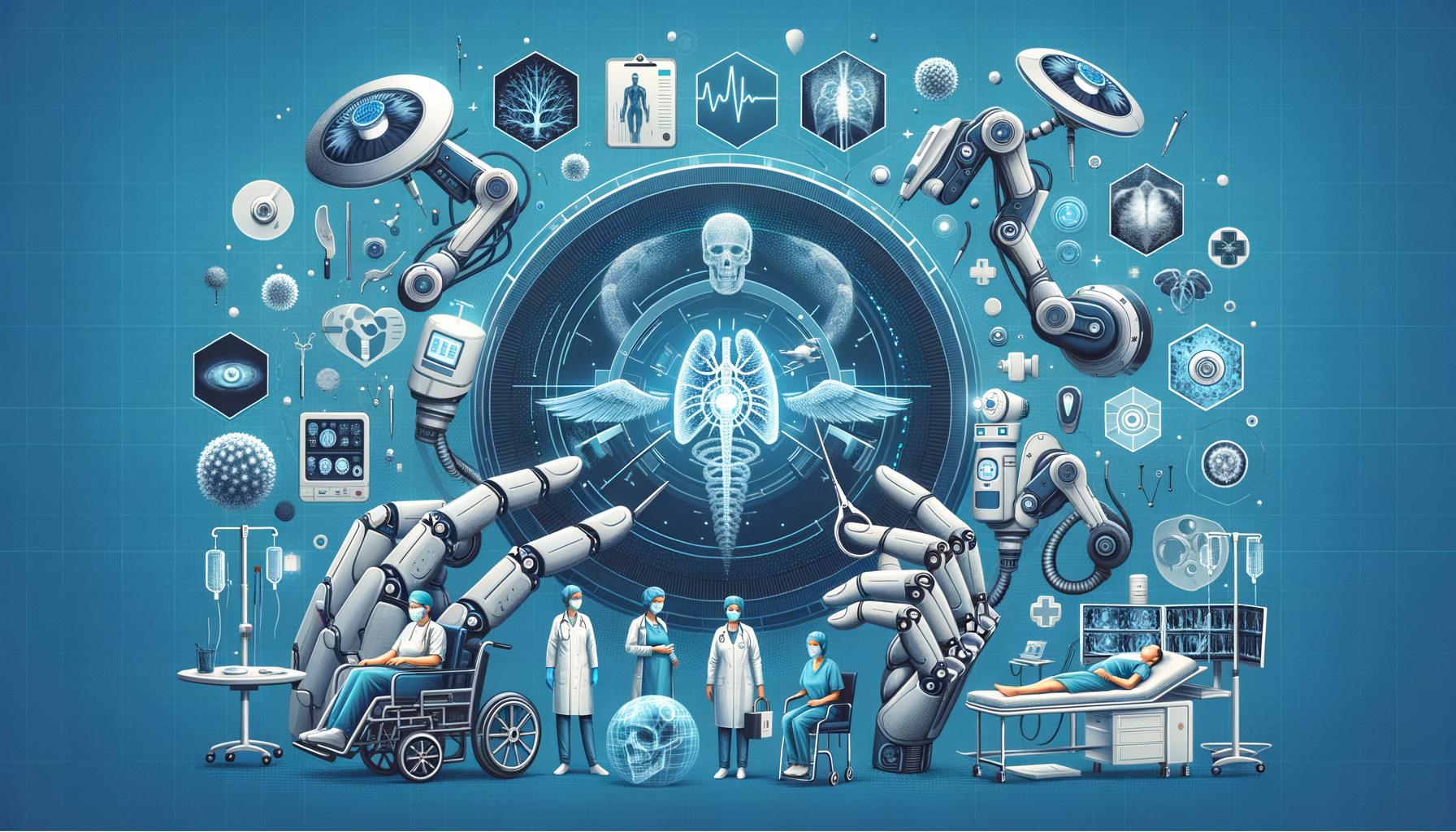
Revolutionizing Healthcare: A Visual Guide to Medical Robotics
Medical Robotics is an exciting and rapidly evolving field that is revolutionizing healthcare. From surgical bots to rehabilitation devices, robotic technologies are paving the way for a new era in medical science. In this comprehensive visual guide, we will delve into how these innovations are enhancing patient care and shaping the future of healthcare, with particular emphasis on the burgeoning Indian robotics market.
1. Surgical Robots
Robotic Assisted Surgery
Robotic-assisted surgery is one of the most significant advancements in modern healthcare. Surgical robots, such as the globally recognized da Vinci Surgical System, allow surgeons to perform complex procedures with more precision, flexibility, and control than traditional techniques. They are especially beneficial for minimally invasive surgeries where the surgeon operates through tiny incisions.
Indian Context: The Rise of Surgical Robots
India is not far behind in this robotics revolution. Hospitals across the country are increasingly adopting robotic surgery, with the Apollo Hospitals leading the way. As the cost of technology decreases and expertise increases, this trend is expected to gain momentum.
2. Rehabilitation Robots
Robotic Rehabilitation Devices
Robotic rehabilitation devices are designed to assist patients recovering from strokes, spinal cord injuries, and other debilitating conditions. These robots help in improving mobility, strength, and coordination. They include exoskeletons, robotic arms, and gait training devices.
Indian Context: Rehabilitation Robotics and Start-ups
Indian start-ups like GenRobotic Innovations are making significant strides in this area, developing robotic exoskeletons to assist individuals with mobility impairments.
3. Elderly Care Robots
Robots for Aging Care
Elderly care robots can assist the aging population in managing their daily tasks, offering companionship, and monitoring their health. They range from service robots that can fetch items, to social robots like Paro, the therapeutic robotic seal.
Indian Context: The Need for Elderly Care Robots
With a fast-growing elderly population, India presents a huge potential market for elderly care robots. Companies like Milagrow are developing robots to meet this demand, improving the quality of life for seniors across the country.
4. Diagnostic Automation and Robotic Prosthetics
Robotic Diagnostics
Robotic technology is also bringing improvements to diagnostics. Automation is increasing accuracy and reducing the time required for diagnostic tests, resulting in better patient outcomes.
Robotics Prosthetics
Robotic prosthetics provide a higher degree of functionality and adaptability for amputees. These advanced prosthetics can mimic the movement and responsiveness of natural limbs.
Indian Context: Innovations and Advances
In India, companies like Innophys are pioneering in the field of robotic prosthetics, giving a new lease of life to amputees. The country also sees a rise in diagnostic automation, with firms like Core Diagnostics leading the charge.
Conclusion
From surgery to diagnostics, rehabilitation, and elderly care, the applications of medical robotics are vast and transformative. As the technology continues to evolve, it promises to revolutionize healthcare in unprecedented ways. The Indian robotics market, although still in its nascent stages, is showing promising growth and innovation. As enthusiasts and professionals in the field, it’s an exciting time to be part of this revolution, be it as a developer, a healthcare provider, or a patient.
Practical Tips: Embracing the Revolution
-
Stay abreast with the latest developments in medical robotics through online resources, webinars, and workshops.
-
Consider training opportunities to learn about the operation and maintenance of these advanced robotic systems.
-
If you’re a healthcare provider, explore how integrating robotics can enhance your practice and patient care.
-
As a patient or caregiver, understand how these technologies can benefit you and discuss these options with your healthcare provider.