
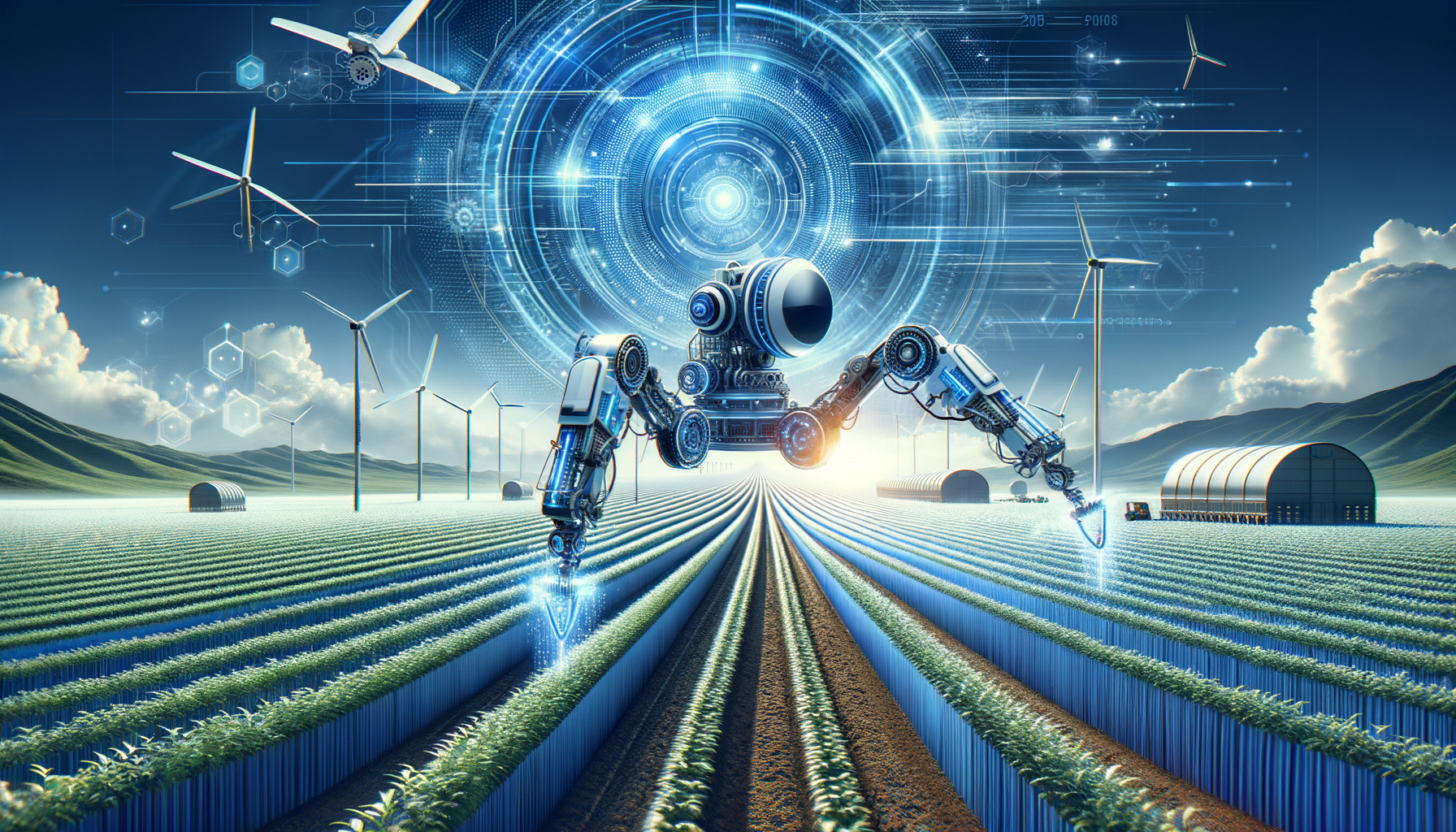
Revolutionizing Farming: Data Insight on Agricultural Robotics & Sustainability
With the global population expected to reach 9.7 billion by 2050, the demand for food is set to increase dramatically. In an effort to meet this demand while also addressing the environmental challenges of farming, many in the agricultural sector are turning to robotics and automation. This post will delve into the data-driven insights on agricultural robotics and how they are revolutionizing farming and sustainability, particularly in the Indian market.
Introduction to Agricultural Robotics
Robotic technology has been transforming industries worldwide, and agriculture is no exception. Agricultural robotics, also known as agribots, refers to the application of robotics technology in farming to improve efficiency and reduce human labor. These technologies can range from drone farming and automated irrigation systems to precision agriculture and robotic harvesters.
The Market of Agricultural Robotics
Global Market Insights
Globally, the agricultural robotics market was valued at USD 4.6 billion in 2020 and is expected to reach USD 20.3 billion by 2025, growing at a compound annual growth rate (CAGR) of 34.5% during the forecast period. The driving factors behind this growth include the need for more efficient farming practices, the rising demand for food, and the increasing adoption of smart farming techniques.
Indian Market Insights
India, with its vast agricultural sector, presents a unique market for agricultural robotics. As of 2020, the Indian agricultural robotics market was valued at USD 74.3 million and is predicted to grow at a CAGR of 34.2% between 2021 and 2026. The main factors contributing to this growth are the increasing labor costs, the government’s push towards digitization in agriculture, and the rising awareness among farmers about the benefits of agricultural robotics.
Applications of Agricultural Robotics
Agricultural robotics can be applied in several areas of farming, including:
- Robotic Harvesters: These robots can harvest crops efficiently and accurately, reducing labor costs and improving yield.
- Precision Agriculture: Robots equipped with cameras and sensors can monitor crop health, detect pests, and apply fertilizers or pesticides precisely where needed, reducing waste and environmental impact.
- Drone Farming: Drones can provide aerial imagery for crop monitoring, irrigation management, and soil analysis.
- Automated Irrigation Systems: These systems use sensors to monitor soil moisture levels and automatically irrigate crops, saving water and improving crop health.
Tips for Robotics Enthusiasts
For those interested in agricultural robotics, here are a few tips:
- Stay updated with the latest advancements in robotics technology and how they can be applied in agriculture.
- Understand the unique challenges and needs of the agricultural sector in your region.
- Consider partnering with agricultural experts to better understand the practical applications of robotics in farming.
- Invest in learning programming languages and skills necessary for developing and operating robotic systems.
Conclusion
The use of robotics in agriculture is a game-changer, offering the potential to increase productivity, reduce environmental impact, and transform farming practices. As the data suggests, the market for agricultural robotics is set to grow significantly in the coming years, particularly in India. For robotics enthusiasts, this presents an exciting opportunity to be at the forefront of a technological revolution in one of the world’s most crucial sectors.