
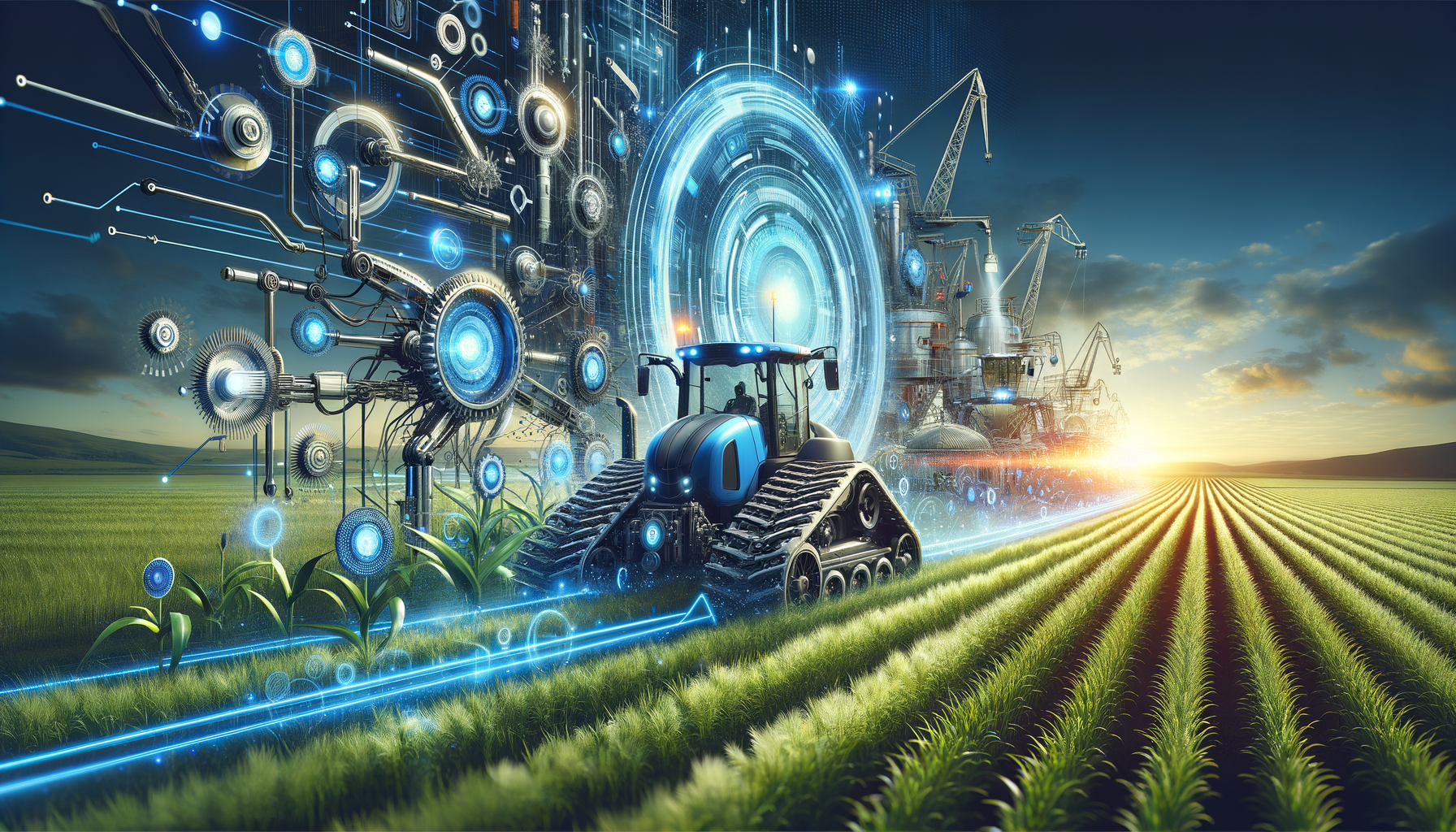
Revolutionizing Farming: A Historical Journey Through Agricultural Robotics
As we explore the technological advancements that have shaped our world, we cannot overlook the significant impact of robotics on agriculture. With a focus on the Indian market, this blog post delves into the historical journey of agricultural robotics and how it has revolutionized farming practices. From drone farming and robotic harvesters to precision agriculture and automated irrigation systems, we will highlight the landmarks of this exciting journey.
A Glimpse into the Past: The Genesis of Agricultural Robotics
The Birth of Mechanization
The history of agricultural robotics traces back to the late 19th and early 20th century when mechanization started replacing manual labor. Machines like tractors and harvesters were introduced, and these marked the first step towards automation in farming.
The Emergence of Robotics
The true advent of robotics in agriculture started in the latter half of the 20th century. This period saw the development of milking robots, paving the way for further innovations in the sector. These robots, although primitive, laid the foundation for the modern-day complex agricultural robots.
Modern-Day Agricultural Robotics: The Technological Leap
Robotic Harvesters
Robotic harvesters are now integral to many large-scale farming operations. These machines use sophisticated sensors and AI to identify and pick ripe produce, increasing efficiency and reducing waste. India’s rising robotic harvester manufacturers are now targeting local crops like mangoes and coconuts, revolutionizing the traditional harvesting methods.
Precision Agriculture
With the advent of GPS and data analytics, precision agriculture has become a reality. Farmers can now use robots to apply precise amounts of fertilizer and pesticides, reducing costs and environmental impact. Indian tech startups are leading the way in this sector, integrating robotics with big data to optimize crop yields.
Drone Farming
Drone technology is another game-changer in agricultural robotics. Drones are used for tasks ranging from crop monitoring and weed detection to aerial spraying and planting. India, with its vast agricultural landscape, is an ideal market for drone farming, and it’s witnessing significant growth in this area.
Automated Irrigation Systems
Automated irrigation systems use robotics and AI to monitor soil moisture levels and irrigate crops precisely. This technology is particularly beneficial in water-scarce regions in India, where it ensures efficient water use and promotes sustainable farming.
Tips for Robotics Enthusiasts
-
Stay updated with the latest trends in agricultural robotics. Subscribe to relevant blogs, newsletters, and industry reports.
-
Consider enrolling in robotics courses or workshops. Many Indian institutes offer specialized programs in agricultural robotics.
-
Join robotics communities and forums. Networking with other enthusiasts can lead to valuable insights and opportunities.
-
If you’re a developer, consider working on an agricultural robotics project. There’s immense potential for innovation in this field, especially in the Indian market.
Conclusion
The journey through agricultural robotics is one of continual evolution and innovation. As we look back at the milestones, it’s clear that these technologies have revolutionized farming, making it more efficient, cost-effective, and sustainable. The future of agricultural robotics is undoubtedly bright, especially in countries like India, with its diverse agricultural needs and growing technological prowess. For robotics enthusiasts, now is the time to dive into this exciting domain and contribute to shaping the future of farming.