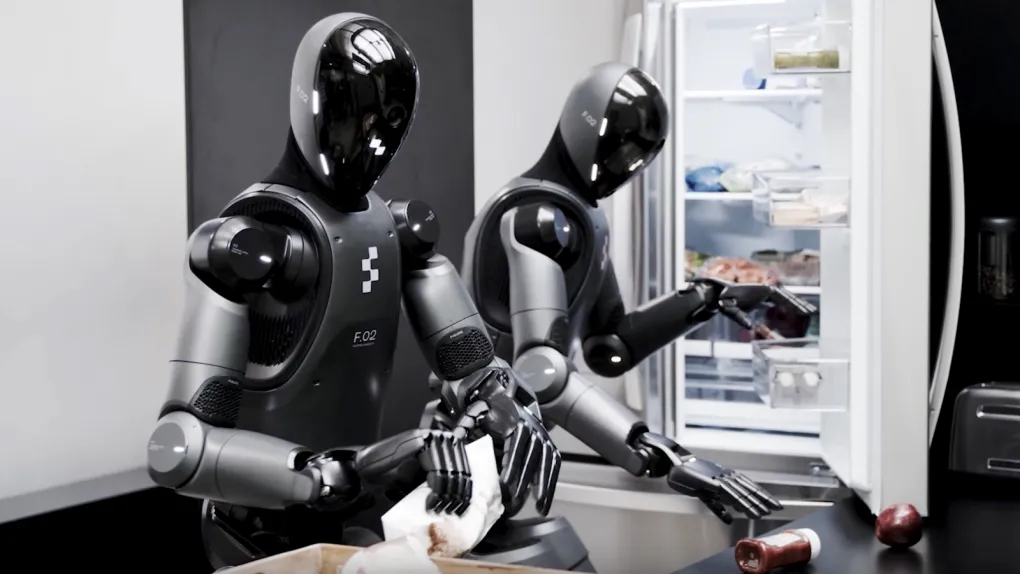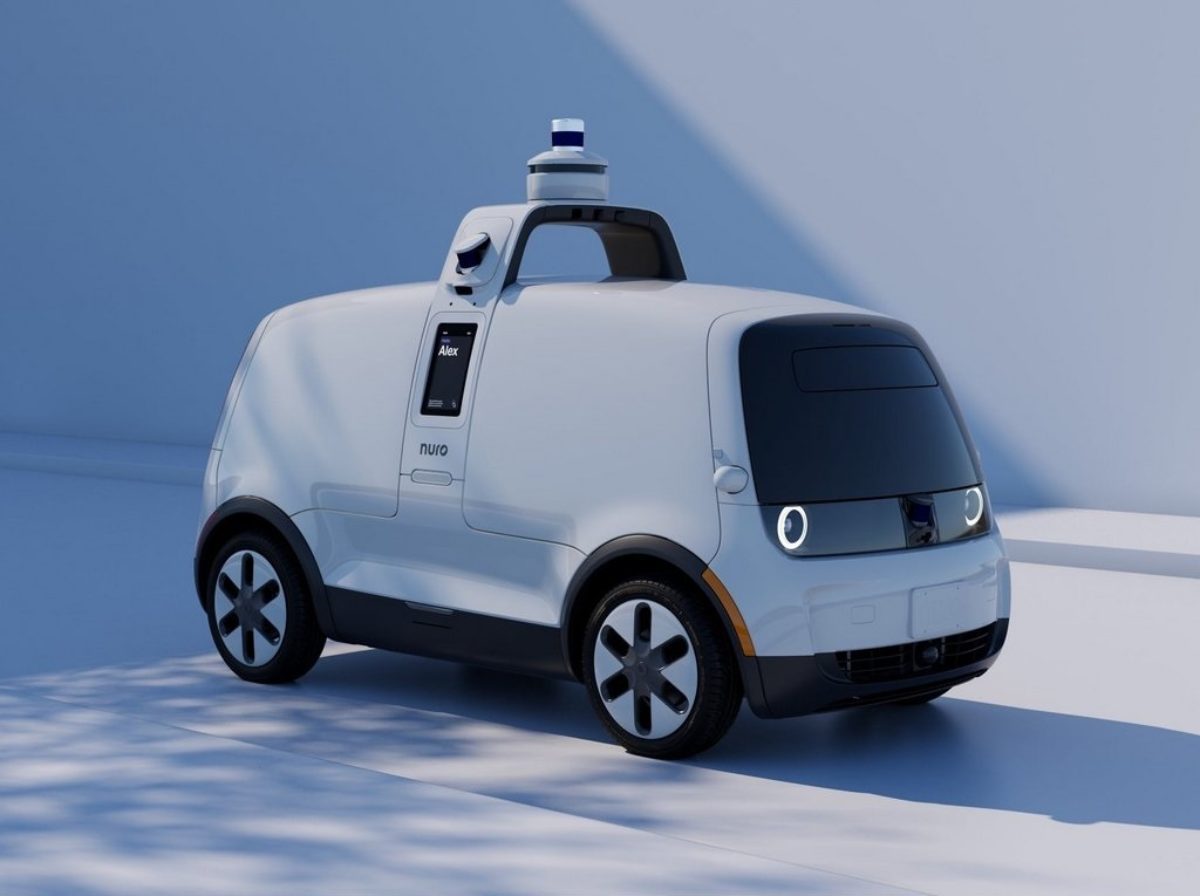
Back in 2010, robots weren’t just sci-fi stars—they were starting to steal the show in the real-world workforce, and economists were buzzing about it. From orchards to assembly lines, these mechanical marvels were taking on tasks like picking apples and welding car parts, leaving some folks worried about their jobs. But hold the panic button! This robotic takeover is also a chance to throw a wild workplace party, where humans and robots remix the future of work with a splash of innovation and a whole lot of fun. Let’s dive into this high-tech bash and see how robots are changing the game!
Robots Get to Work
Picture a robot zipping through a California orchard, plucking apples with the precision of a pro, or another bot in a factory, welding car frames faster than you can say “vroom.” In 2010, automation was heating up, with robots like the fruit-picking Agrobot and industrial arms from Fanuc and Kuka taking center stage. These machines weren’t just showing off—they were doing jobs once reserved for humans, from harvesting strawberries to assembling electronics. Economists, like those cited in a 2010 study, warned that automation could shrink job opportunities, especially for low-skill workers, with millions potentially displaced as robots got cheaper and smarter.
But here’s the fun twist: robots aren’t just gatecrashing—they’re bringing new vibes to the workforce. By handling repetitive, dangerous, or backbreaking tasks, they’re freeing humans to focus on the cool stuff, like designing, innovating, and dreaming up new ideas. Think of it like a buddy who takes over dish duty so you can whip up a gourmet dessert. The catch? Some jobs, especially in manufacturing (where robot use spiked by 20% from 2005 to 2010), were shifting from human hands to robotic grippers, sparking concerns about unemployment.
Turning Challenges into Opportunities
Sure, the idea of robots “stealing” jobs sounds like a plot twist from a dystopian flick, but let’s flip the script. Automation is like the ultimate wingman, opening doors to new careers in tech, programming, and robot maintenance. Back in 2010, the rise of robots was already creating demand for engineers to design them, technicians to fix them, and creatives to figure out how they fit into our lives. Plus, robots were boosting productivity, making goods cheaper and businesses more competitive, which could mean more opportunities down the line.
The trick is keeping the party inclusive. Economists noted that automation hit hardest in industries like manufacturing and agriculture, where repetitive tasks were easy to automate. To keep everyone in the groove, workers needed training to level up their skills—think coding bootcamps or tech certifications. Programs like those starting in 2010 were already helping workers pivot to roles where they could team up with robots, not compete against them. It’s all about dancing with the bots, not stepping on their toes!
A Future That’s Totally Rad
The robot revolution of 2010 was just the opening act for a wild new era. Today, we’re seeing robots flip burgers, deliver packages, and even assist in surgeries, all while creating jobs in AI, robotics, and beyond. The key is to keep the fun going by investing in education and innovation, ensuring humans and robots can jam together. Imagine a world where you brainstorm with a bot over coffee, or a robot handles the heavy lifting while you focus on the big ideas. That’s the kind of workplace party we’re talking about!
So, let’s raise a toast to the robots crashing the job scene. They’re not here to steal the show—they’re here to make it bigger, brighter, and way more exciting. From fruit-picking to car-building, these mechanical pals are shaking things up, and we’re all invited to join the fun. Here’s to a future where humans and robots team up for the ultimate workplace win!