Case & Piece Picking: Shipping Hardware, Deployment Realities, and India Market Dynamics
Case & Piece Picking in Modern Warehouses
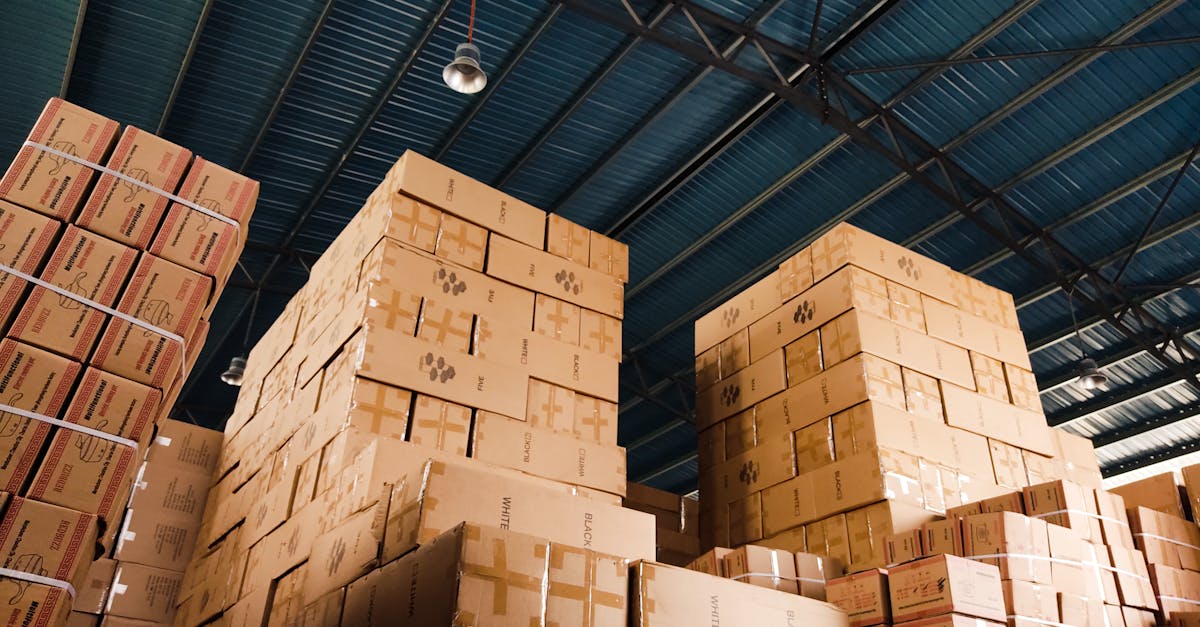
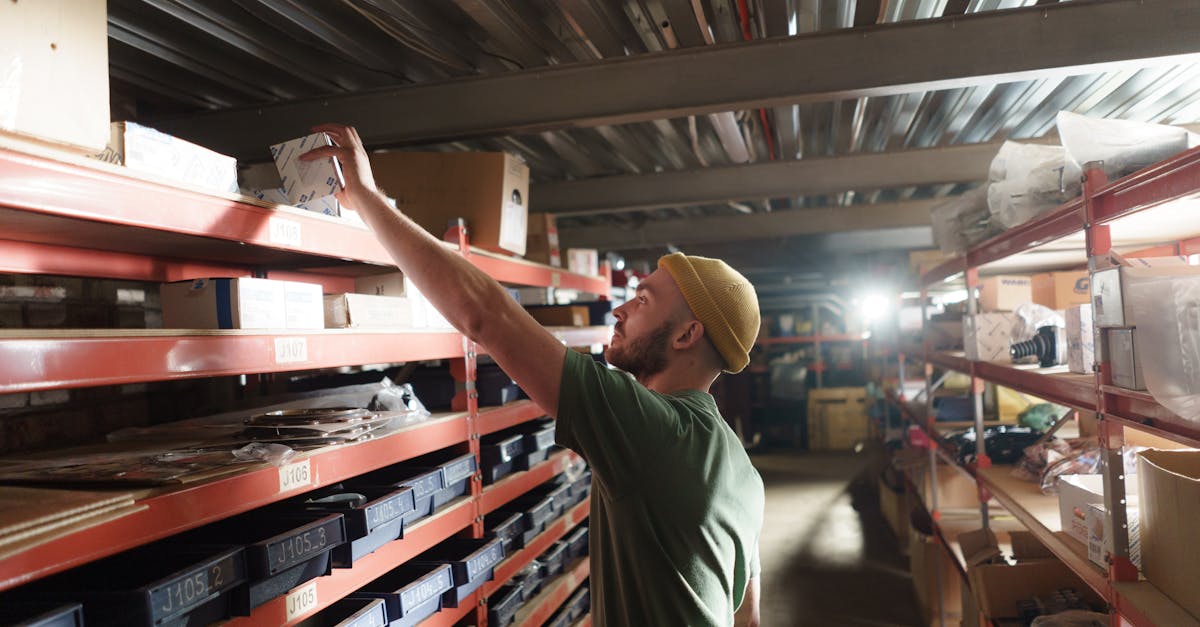
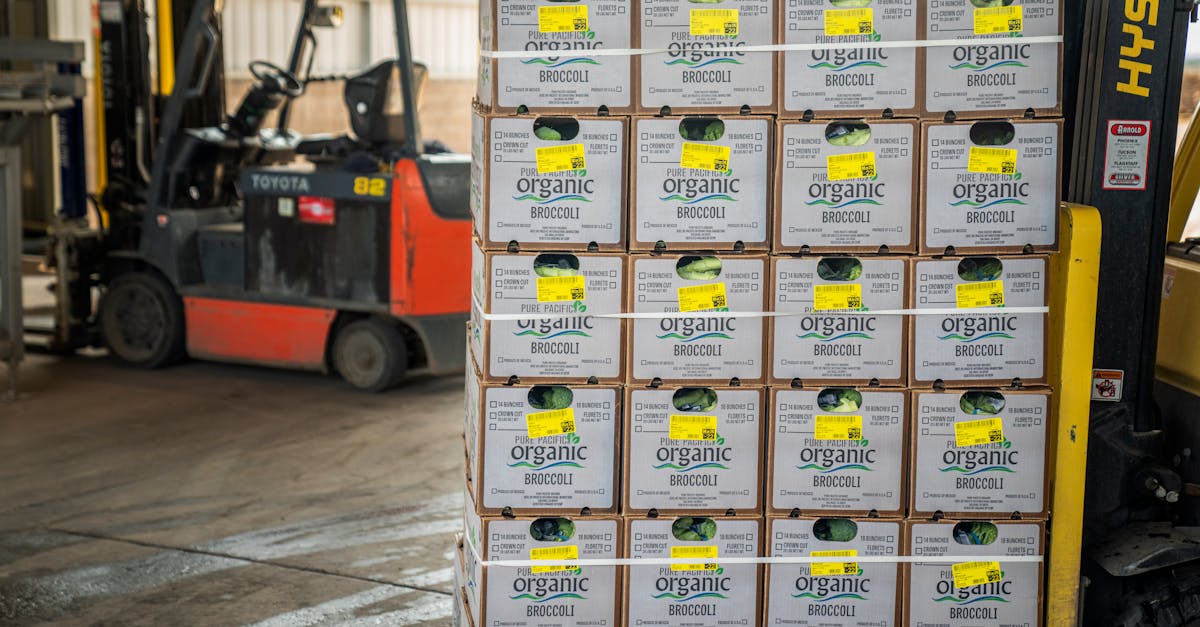
Case picking and piece picking remain the highest-volume manipulation tasks in distribution centers, fulfillment networks, and manufacturing logistics. Case picking involves moving full cartons or totes between locations, while piece picking requires individual item selection, often from bulk storage or forward-pick faces. The hardware grading methodology applied here prioritizes shipping hardware first, followed by pilot deployments, and treats announcements strictly as directional signals rather than operational reality. Manufacturer spec sheets, on-stage demos, factory videos, press releases, and independent reporting form the baseline for all technical claims.
The Hardware Reality: Shipping vs. Pilots vs. Announcements
The pick-and-place category has historically suffered from announcement inflation. When grading claims, shipping hardware represents the only verifiable deployment tier. Systems that have passed factory acceptance tests, cleared customs, and completed site commissioning qualify as operational. Pilot deployments demonstrate integration feasibility but often reveal environmental constraints, vision failure modes, and throughput bottlenecks not captured in vendor marketing. Announcements remain speculative until hardware crosses the factory floor. This tiered evaluation ensures that procurement decisions, integration planning, and market analysis rest on measurable deployment data rather than renderings or press statements.
Covariant: Software-Defined Manipulation with Physical Deployment
Covariant’s approach centers on a software-defined manipulation stack paired with standard robotic arms, typically mounted on mobile or fixed bases. The company has shipped hardware to multiple enterprise clients, including Amazon and Walmart, with deployments verified through press releases and operational case studies. The hardware specification sheet lists payload capacities ranging from 5 to 10 kg for standard piece-picking configurations, with end-of-arm tooling optimized for vacuum grippers, parallel grippers, and custom soft-hand variants. Vision systems rely on high-resolution RGB-D cameras and real-time depth mapping, processed through a proprietary neural network trained on diverse SKU datasets.
Deployment grading places Covariant in the shipping hardware category for select enterprise accounts, with broader pilot deployments across additional retail and logistics facilities. Independent reporting notes that cycle times typically range between 600 and 900 milliseconds per pick under controlled lighting and structured bin conditions. The system’s strength lies in its adaptability to unstructured environments, where traditional rule-based pickers fail. However, hardware reliability depends heavily on consistent SKU presentation, adequate bin depth, and regular vision calibration. Manufacturer documentation emphasizes that throughput scales linearly with robot count, and integration requires standardized conveyor interfaces and WMS API handshakes. The software stack updates monthly, but firmware and hardware revisions remain version-locked to specific arm models, limiting cross-platform compatibility.
Symbotic: Vision-Guided Autonomous Mobile Robots for Case Picking
Symbotic’s architecture diverges from traditional robotic arms, utilizing autonomous mobile robots equipped with specialized case-picking manipulators. The hardware ships as a complete system, including high-density storage racks, shuttle mechanisms, and vision-guided AMRs. The company has shipped and commissioned systems at scale, with verified deployments at Amazon, Walmart, and other major retailers. Spec sheets indicate payload capacities of 25 to 45 kg per AMR, optimized for full-case movement rather than piece-level selection. The vision system relies on overhead cameras and on-robot LiDAR to navigate narrow aisles and locate SKUs within dense storage matrices.
Deployment grading places Symbotic firmly in the shipping hardware tier, with multiple large-scale facilities operating at commercial throughput. Independent reporting documents cycle times of 45 to 60 seconds per case movement, including navigation, lift, and placement operations. The system excels in high-volume case picking but requires significant facility modification, including reinforced flooring, standardized racking, and dedicated charging infrastructure. Integration constraints include strict SKU dimension limits, mandatory barcode visibility, and rigorous environmental controls to prevent vision occlusion. Manufacturer documentation highlights that the system scales through additional AMR clusters and shuttle lines, but capital expenditure remains high due to custom racking and control software licensing. The hardware operates as a closed ecosystem, with proprietary communication protocols and maintenance requirements tied to Symbotic-certified technicians.
The Broader Pick-and-Place Ecosystem
Traditional pick-and-place robots, including SCARA, delta, and collaborative arms, continue to dominate piece picking in controlled environments. These systems ship with fixed payloads ranging from 2 to 20 kg, cycle times between 300 and 600 milliseconds, and rely on teach-pendant programming or offline simulation software. While reliable in structured bin applications, they lack the adaptability required for unstructured e-commerce fulfillment. AI-driven manipulation stacks, including those from Covariant and emerging competitors, bridge this gap by leveraging deep learning for SKU recognition and grasp planning. However, hardware grading remains strict: only systems with verified shipping and commissioning data qualify as production-ready. Pilot deployments frequently reveal limitations in lighting sensitivity, bin depth variance, and end-of-arm tooling wear. Announcements regarding next-generation hardware should be treated as directional until factory videos and independent third-party audits confirm performance claims.
India Market Availability and Pricing Considerations
India’s warehouse automation market is expanding, but pick-and-place hardware availability remains constrained by import regulations, customs duties, and local service infrastructure. Covariant and Symbotic hardware ships to India through authorized distributors or direct enterprise contracts, but lead times typically range from 16 to 24 weeks. Local integrators handle site preparation, WMS integration, and commissioning, with service contracts required for ongoing maintenance. Approximate landed cost estimates for a complete Covariant piece-picking cell (arm, vision system, end-of-arm tooling, and control box) range from INR 22 lakh to INR 28 lakh, excluding integration and facility modifications. Symbotic case-picking systems, requiring custom racking and AMR fleets, carry landed cost estimates between INR 1.8 crore and INR 2.5 crore per lane, depending on configuration and duty structures. Import duties on industrial robotics components typically range from 7.5% to 15%, with additional GST applying to software licenses and service contracts. Indian buyers should verify BIS certification for electrical components, customs valuation for control software, and local technician training requirements before procurement.
Operational Metrics and Integration Constraints
Throughput, reliability, and integration complexity dictate the viability of case and piece picking hardware. Shipping systems must demonstrate consistent cycle times under variable lighting, bin conditions, and SKU diversity. Vision systems require regular calibration, with failure modes typically tied to reflective surfaces, low-contrast labels, or dust accumulation. End-of-arm tooling selection impacts payload efficiency and maintenance frequency; vacuum grippers require stable surface textures, while parallel grippers handle irregular geometries but demand precise alignment. Integration constraints include conveyor synchronization, WMS API latency, and safety zone configuration. Independent reporting emphasizes that successful deployments rely on standardized SKU presentation, adequate facility lighting, and proactive maintenance schedules. Hardware grading must account for these operational realities, as marketing specifications rarely reflect on-floor performance degradation.
What to Watch Next (Grounded in Shipping Hardware)
The next wave of case and piece picking hardware will be defined by verified deployment data, not press releases. Key indicators include standardized end-of-arm tooling interfaces, cross-platform vision compatibility, and modular racking designs that reduce facility modification costs. Buyers should prioritize manufacturers with documented shipping records, independent commissioning reports, and transparent maintenance requirements. India-specific considerations include local service coverage, import duty optimization, and WMS integration readiness. The market will consolidate around systems that demonstrate consistent throughput, lower integration friction, and verifiable ROI in commercial operations. Until hardware crosses the factory floor and operates at scale, announcements remain directional signals rather than procurement recommendations.
References
- Covariant. (2023). Amazon Case Study: AI-Powered Warehouse Automation. https://covariant.ai/case-studies/amazon
- Symbotic. (2022). Walmart Symbotic Distribution Center Deployment. https://symbotic.com/case-studies/walmart
- Symbotic. (2023). Amazon Symbotic Automated Distribution Center. https://symbotic.com/case-studies/amazon
- Covariant. (2024). Press Release: Covariant Ships Next-Gen Manipulation Hardware. https://covariant.ai/newsroom
- IEEE Spectrum. (2023). How AI-Driven Pick-and-Place Robots Are Changing Warehouse Logistics. https://spectrum.ieee.org
- Ministry of Commerce & Industry, Government of India. (2024). Customs Tariff & Import Policy for Industrial Robotics. https://dgft.gov.in
- RobotWale Editorial. (2024). Hardware Grading Methodology: Shipping vs Pilots vs Announcements. https://robotwale.com
✓ Key takeaways
- •Hands-on view of Case & Piece Picking: Shipping Hardware, Deployment Realities, and India Market Dynamics inside our Case & Piece Picking library.
- •Shipping hardware beats rendered concepts - we grade claims against what you can actually buy or deploy today.
- •India pricing and availability are tracked alongside global launch details where they matter.
Related articles
More in Case & Piece Picking →