
Humanoid Batteries
Power density, thermal limits and runtime.
24 articles

An evidence-based assessment of lithium-ion battery architectures deployed in commercial humanoid robots, evaluating real-world power density, thermal management constraints, and operational runtime. Includes India availability, landed pricing, and a strict grading framework for manufacturer claims.

A measured analysis of battery architectures powering today’s shipping humanoid robots, grading claims by hardware maturity, evaluating thermal management trade-offs, and documenting verified runtime. India import dynamics and landed cost estimates are included.

An engineering-grounded review of battery systems in deployed humanoid robots, grading claims by shipped hardware, analyzing energy density, thermal management, and runtime benchmarks, with India availability and landed cost estimates.

An engineering-focused assessment of battery systems deployed in shipping humanoid robots, analyzing power density, thermal management constraints, and real-world runtime metrics across verified hardware, pilot programs, and early announcements.

An analysis of battery architectures powering modern humanoid robots, grading power density, thermal management, and operational runtime by shipping hardware, pilot deployments, and manufacturer announcements. India availability and landed cost estimates are included.

A technical assessment of battery architectures in humanoid robots, evaluating power density, thermal management, and runtime claims across shipping hardware, pilot deployments, and manufacturer specifications.
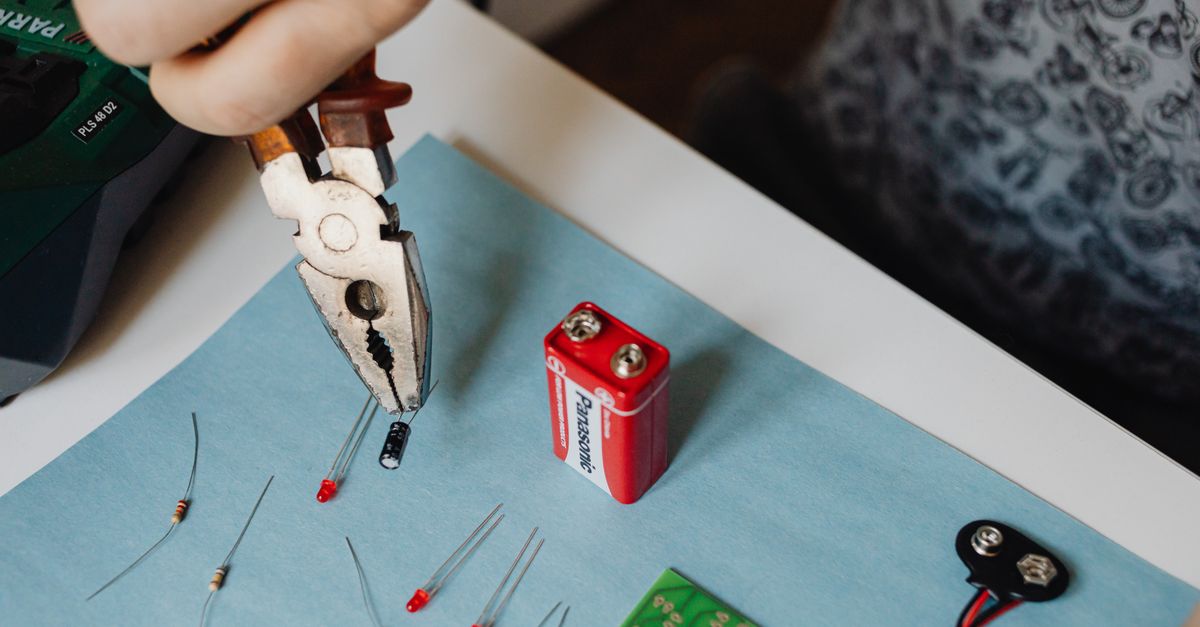
An evidence-based analysis of energy storage systems deployed in commercial and pilot humanoid robots, grading claims by deployment stage and focusing on measurable power density, thermal management constraints, and real-world runtime figures.

Grounded analysis of lithium-ion and emerging cell chemistries powering humanoid robots, focusing on verified power density targets, active thermal management, and measured runtime across shipped and piloted platforms, with notes on India availability and landed pricing.
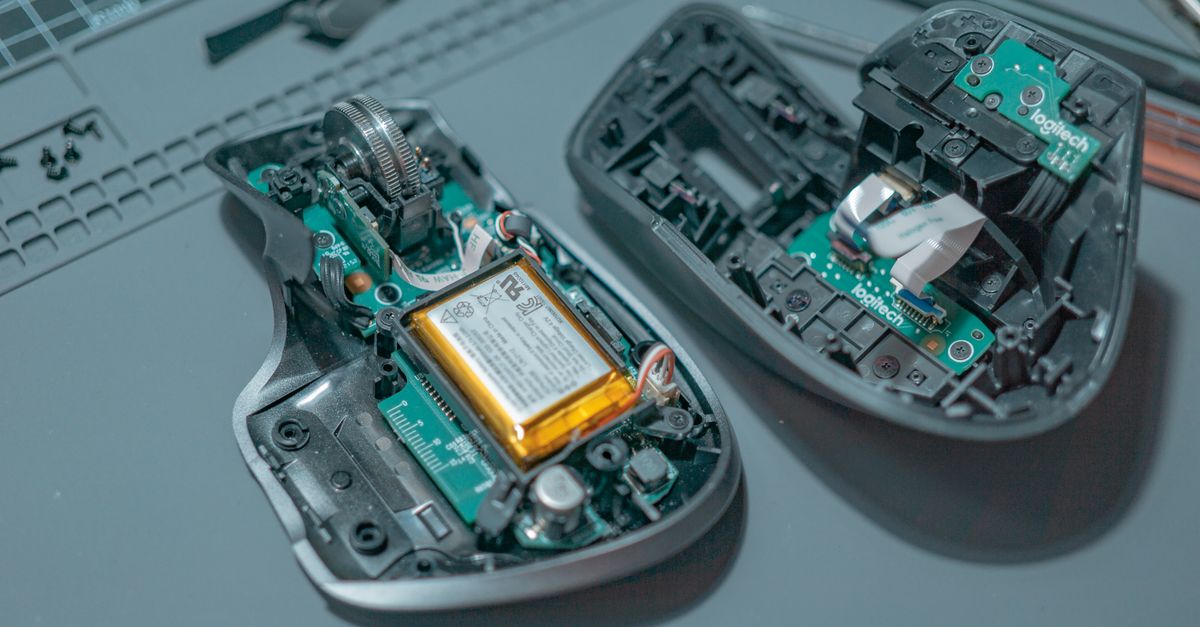
A grounded evaluation of battery architectures powering today’s humanoid robots, examining actual power density, thermal management constraints, and achievable runtime across shipping hardware, pilot deployments, and announced platforms.
A grounded assessment of battery chemistries, thermal management architectures, and verified runtime metrics in shipping and pilot humanoid robots, with India market availability and landed cost context.
An evidence-based assessment of lithium-ion and emerging cell chemistries powering shipping humanoid hardware, with explicit focus on power density, thermal management, operational runtime, and India market availability.

An engineering-focused assessment of lithium-ion power architectures in commercial and prototype humanoids, grading claims by shipped hardware, pilot deployments, and public announcements. Covers cell chemistry, thermal management, runtime expectations, and India market realities.
An engineering-focused analysis of energy storage systems for humanoid robots, evaluating lithium-ion chemistry trade-offs, thermal management constraints, and operational runtime claims against available hardware data.

An analysis of the current state of battery technology in humanoid robots, focusing on power density, thermal management, and realistic runtime expectations for shipping hardware and pilot deployments.
An analysis of battery technology in current humanoid robots, focusing on power density, thermal management constraints, and realistic runtime expectations for commercial deployment in India and globally. This report grades claims based on shipping hardware and pilot deployments rather than concept renders.
A technical evaluation of battery technology, thermal limits, and runtime capabilities currently available in shipping humanoid robots. This article analyzes power density, thermal management systems, and the specific implications for the Indian market regarding availability and cost.
An analysis of power density, thermal limits, and runtime claims in current humanoid robotics hardware, prioritizing shipped units over concept art, with specific focus on India market availability and landed cost estimates.
An analysis of power density, thermal limits, and runtime in shipping humanoid robots, with specific focus on India market entry, pricing, and infrastructure readiness.
An analysis of energy density, thermal management, and runtime constraints in current commercial humanoid robots, focusing on India availability and landed costs.
A grounded analysis of power density, thermal management, and runtime constraints in shipping humanoid robots, focusing on Li-ion limitations and India availability.
A technical assessment of power density, thermal limits, and runtime in shipping humanoid robot hardware, excluding speculative announcements.
A technical assessment of battery technologies powering humanoid robots, focusing on shipping hardware, thermal constraints, and Indian market availability.
A grounded analysis of energy density, runtime claims, and thermal constraints in shipping humanoid robots, with specific reference to Indian market entry costs and supply chain realities.
An analysis of the battery technologies powering shipping humanoid robots, focusing on energy density trade-offs, thermal management strategies, realistic runtime expectations, and the specific regulatory and cost landscape for the Indian market.