
Export Controls
Wassenaar, EAR and robotics export restrictions.
24 articles
A technical breakdown of how the Wassenaar Arrangement and U.S. Export Administration Regulations govern robotics hardware exports, with verification protocols, compliance pathways, and India market implications.

An analysis of how international export control regimes, including the Wassenaar Arrangement and the US Export Administration Regulations, shape the development, component sourcing, and commercial deployment of humanoid and industrial robotics, with specific attention to India’s market access and compliance landscape.

A grounded analysis of how Wassenaar Arrangement classifications and US EAR regulations impact humanoid and industrial robotics, focusing on shipped hardware, pilot deployments, compliance costs, and India's access to components and systems.

An evidence-based review of how the Wassenaar Arrangement and US Export Administration Regulations shape robotics component availability, with specific focus on Indian import pathways, landed costs, and verified deployment timelines.
An evidence-based review of how the Wassenaar Arrangement and the US Export Administration Regulations shape the development, deployment, and pricing of humanoid and advanced robotics in India and global markets.

An analysis of how the Wassenaar Arrangement, US EAR, and allied export regimes shape the development, component sourcing, and commercialization of advanced robotics in India, with emphasis on shipping hardware realities, pilot deployments, and compliance pathways.

An evidence-based analysis of how Wassenaar Arrangement and U.S. EAR export controls affect robotics supply chains, with focus on shipping hardware, pilot deployments, and India’s domestic sourcing landscape.
An evidence-based analysis of how the Wassenaar Arrangement and US Export Administration Regulations shape humanoid robot development, component sourcing, and deployment in India. The article grades manufacturer claims by verified shipping hardware and pilot deployments, maps India's import restrictions and domestic manufacturing pathways, and provides approximate landed pricing for compliant hardware.
A grounded analysis of how the Wassenaar Arrangement and U.S. Export Administration Regulations shape the development, shipment, and deployment of humanoid and industrial robots, with specific focus on India’s import pathway and component-level compliance.

A factual assessment of how international export control regimes shape the component sourcing, manufacturing, and deployment of humanoid robots, with specific attention to India’s market access, landed costs, and the current state of verified hardware versus announced prototypes.
A factual breakdown of how the Wassenaar Arrangement and U.S. Export Administration Regulations govern robotics hardware, component sourcing, and commercial deployment, with verified data on Indian market access, landed costs, and compliance pathways for manufacturers and integrators.
An analysis of how international export regimes including the Wassenaar Arrangement and US EAR impact the availability, pricing, and development of humanoid robots in India.
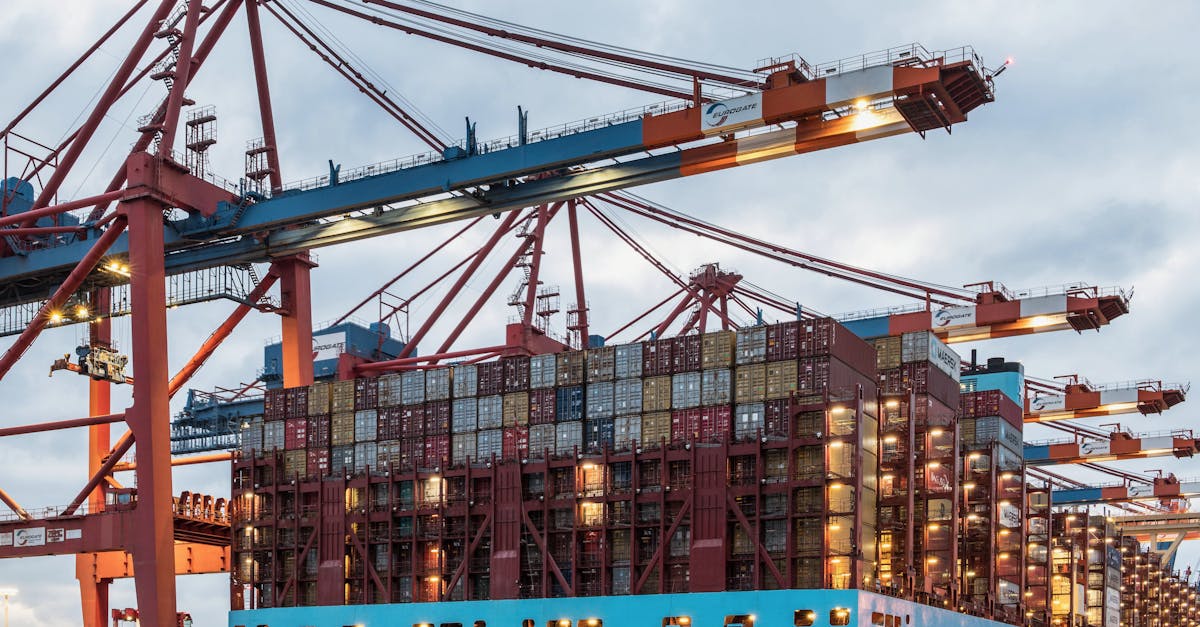
An analysis of how international export controls like the Wassenaar Arrangement and U.S. EAR impact the robotics industry, specifically regarding dual-use technologies and the Indian market's access to advanced hardware.
An analysis of the Wassenaar Arrangement, US EAR, and Indian export-import regulations affecting the deployment and availability of humanoid and industrial robotics in the Indian market.

This article analyzes the impact of Wassenaar Arrangement and US EAR on the import and export of advanced robotics hardware, with a specific focus on compliance requirements for Indian manufacturers and deployment partners.

An objective analysis of how international export control regimes like the Wassenaar Arrangement and U.S. EAR impact the availability, pricing, and development of humanoid and industrial robots in India.

An analysis of how the Wassenaar Arrangement and US EAR regulations impact the global robotics supply chain, specifically focusing on dual-use technologies, import licensing in India, and the financial friction affecting Indian integrators.
An analysis of global export control regimes affecting humanoid and industrial robotics, focusing on the Wassenaar Arrangement, US EAR, and implications for Indian manufacturers and importers.
An analysis of how Wassenaar and EAR regulations impact the import and manufacturing of humanoid robots in India, focusing on compliance, pricing, and hardware availability.
An analysis of how international export control regimes like the Wassenaar Arrangement and the US Export Administration Regulations (EAR) impact the global robotics supply chain, specifically focusing on humanoid robotics and Indian market availability.
An objective analysis of how the Wassenaar Arrangement and US EAR impact the supply chain, pricing, and availability of robotics hardware in India, focusing on dual-use components and compliance requirements.
An analysis of the Wassenaar Arrangement, U.S. EAR, and India’s regulatory framework governing robotics hardware exports, including compliance requirements, dual-use classifications, and cost implications for Indian manufacturers.
An analysis of how Wassenaar, EAR, and Indian DGFT regulations impact the development and import of advanced humanoid robotics hardware, focusing on compliance costs, component restrictions, and the gap between commercial announcements and shipping reality.
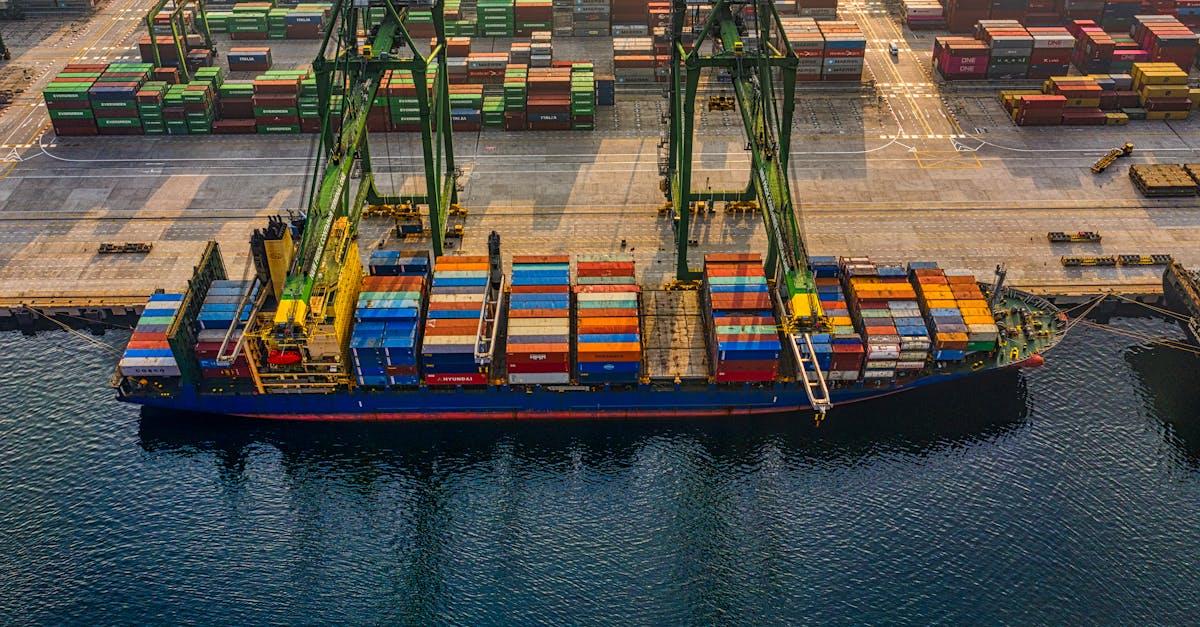
An analysis of how the Wassenaar Arrangement and US EAR impact the availability, pricing, and deployment of humanoid robots in India, focusing on hardware shipping metrics over policy announcements.