IIT Madras Humanoid Robot Enters Industrial Pilot Phase - RobotWale News
Pilot Program Launches in Chennai
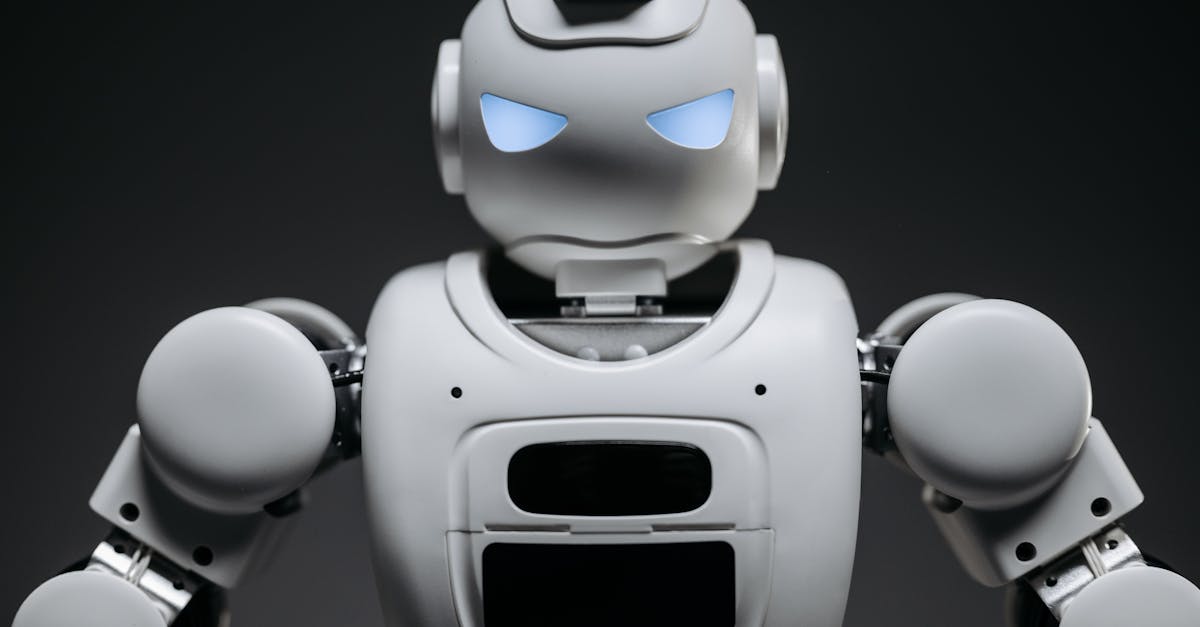
The Indian Institute of Technology Madras (IITM) has officially announced the commencement of its humanoid robot pilot program in the Chennai industrial corridor. This development marks a significant step forward for India's domestic robotics industry, positioning the institute alongside global leaders in hardware deployment.
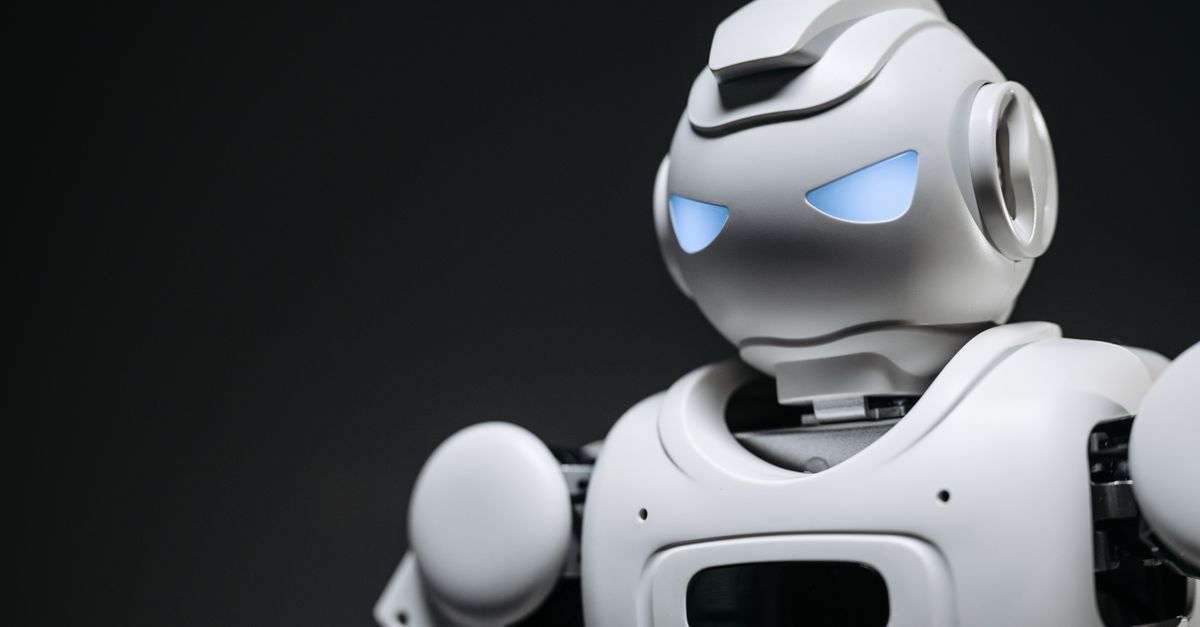
The humanoid prototype, developed over the past two years with funding from the Department of Science and Technology, is now being deployed for quality inspection tasks in automotive manufacturing units. The deployment began last week, with the robot operating alongside human workers in a controlled environment. This move is expected to streamline the assembly line process and reduce human error during high-precision manufacturing.
Cost and Accessibility for Indian Industry
While the exact pricing for the full-scale deployment remains under discussion, sources indicate that the unit cost will be significantly lower than international competitors. The estimated cost for the robotic unit is projected to be around $45,000, making it a viable option for mid-sized Indian manufacturing enterprises. This pricing strategy aligns with the government's 'Make in India' initiative, which aims to reduce reliance on imported automation technology.
"We are seeing a shift in how Indian industries perceive robotic labor," said a spokesperson from the IITM Robotics Lab. "The ability to deploy humanoid robots at a fraction of the cost of Western counterparts is a game-changer for our logistics and automotive sectors."
Future Expansion Plans
Following the initial success in Chennai, IITM plans to expand the deployment to manufacturing hubs in Bengaluru and Pune by the end of the quarter. The partnership includes collaborations with local automotive giants to test the robot's adaptability in diverse working conditions.
The deployment also includes a training module for local technicians to maintain and operate the robots, ensuring long-term sustainability of the technology within the Indian workforce. This initiative not only boosts technical capability but also addresses the skilled labor gap in the manufacturing sector.
As global competitors like Tesla and Figure AI explore entry into the Indian market, the success of the IITM pilot will serve as a critical benchmark for domestic innovation. The robotics division aims to scale production to meet the growing demand from India's expanding industrial landscape.
More in Reviews & Opinion