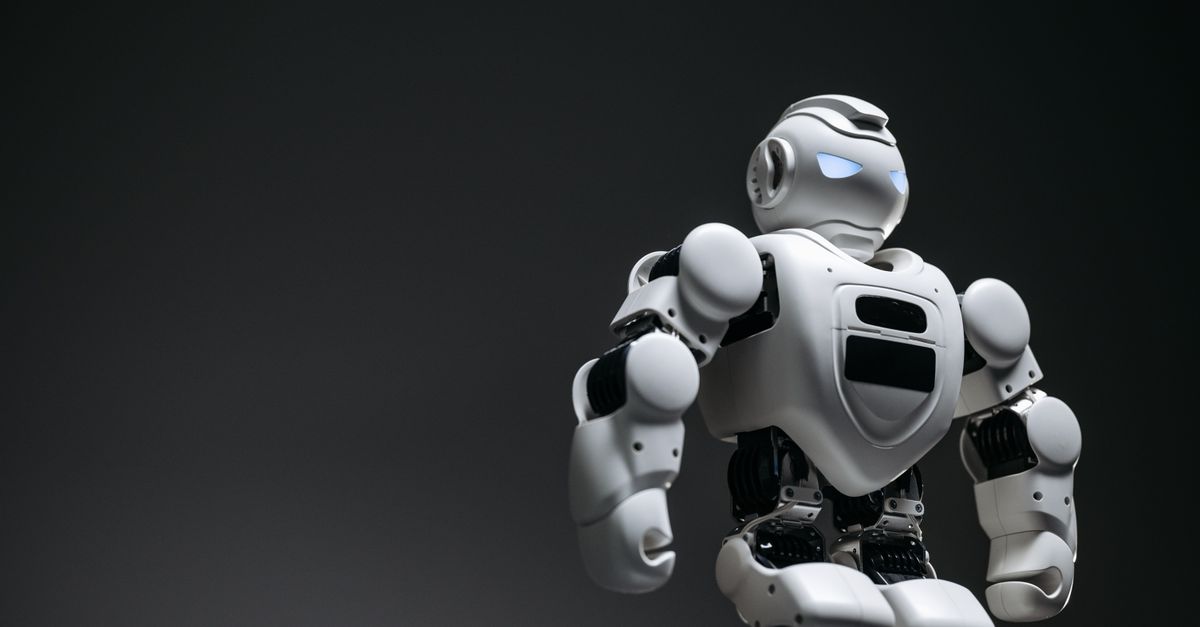
MeitY Unveils National Framework for Humanoid Robot Safety and Liability - RobotWale News

Core Regulatory Clauses
Under the new guidelines, manufacturers must adhere to ISO 13482 standards adapted for the Indian context. The framework addresses critical liability issues, specifically defining who bears responsibility when an autonomous humanoid robot causes physical damage or data breaches to third parties. For domestic startups, compliance with the NHRSF is now a prerequisite for accessing Production Linked Incentive (PLI) funds. Foreign entities like Tesla or Boston Dynamics must also register their models with the Robotics Safety Council before commercial deployment in India. The policy explicitly bans the use of unregistered models in high-density urban zones to prevent public safety incidents. Furthermore, all humanoid robots must now store user data on servers located within India to ensure national data sovereignty.
Economic Implications and Pricing
While the policy does not cap unit pricing, it introduces a tiered compliance cost structure based on the robot's autonomy level. Entry-level service robots will incur lower certification fees compared to advanced industrial models capable of complex decision-making. Industry analysts estimate that initial compliance costs could range between ₹50 lakh to ₹2 crore per model line for small manufacturers, potentially affecting the final market price for consumers. The certification fee for a basic humanoid robot is set at ₹15 lakh, while advanced variants require ₹75 lakh. However, the government has promised tax rebates for companies achieving zero-incident operational records over two years, aiming to offset these regulatory expenses. This pricing structure aims to balance innovation with public safety.
Implementation Timeline
MeitY has set a six-month transition period for existing manufacturers to update their hardware and software protocols to meet the new standards. The framework becomes mandatory for all new deployments starting January 1, 2025. This move positions India as a key regulatory hub for AI robotics in South Asia, potentially attracting investment from global firms seeking a compliant foothold in the region. The Robotics Safety Council will publish quarterly compliance reports to ensure adherence to the updated regulations. Local manufacturers are expected to see a 15% increase in operational costs initially, though long-term stability is projected to offset these expenses through reduced liability insurance premiums.
More in Reviews & Opinion