Tesla Optimus Gen 2 Advancements Spark Indian Manufacturing Hopes - RobotWale News
Tesla Unveils Enhanced Optimus Capabilities
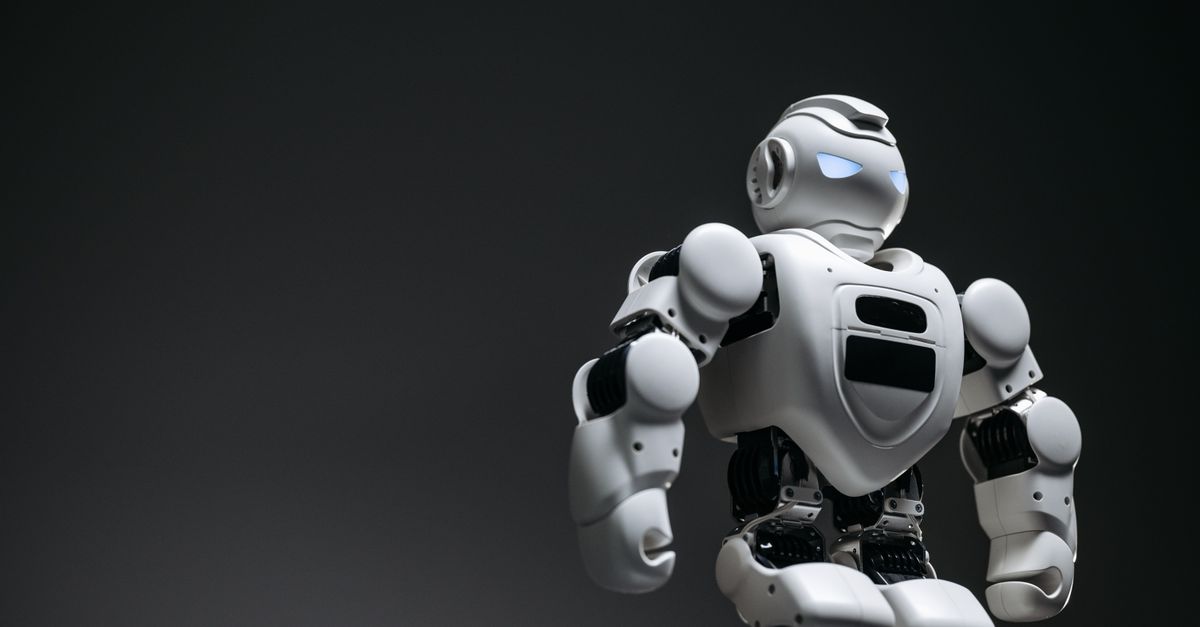
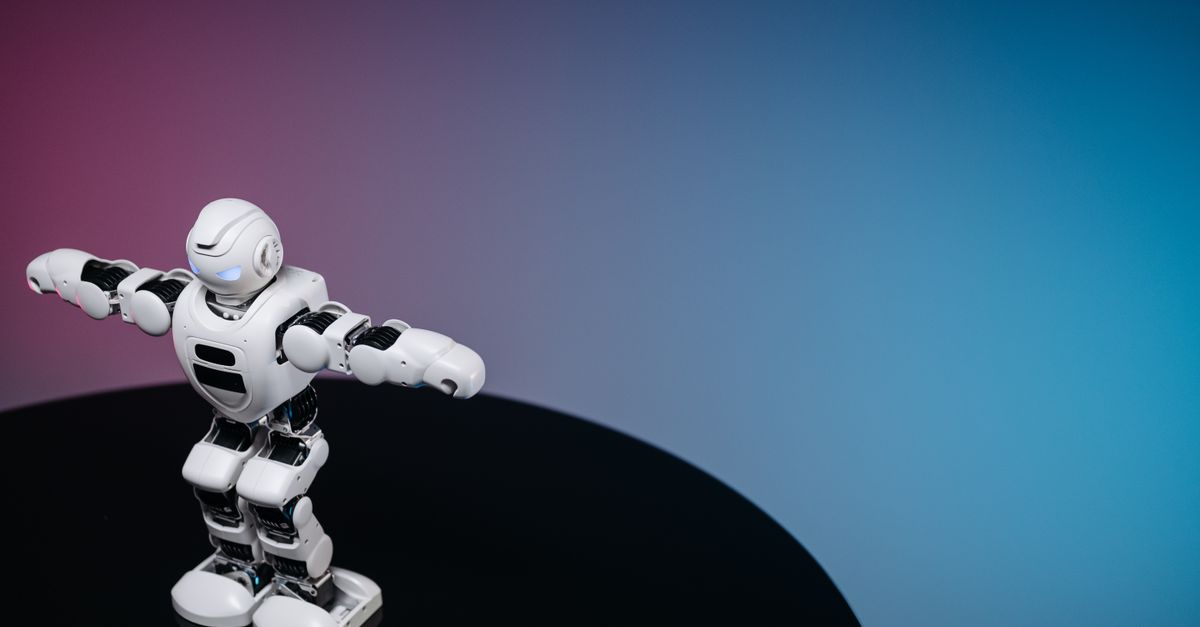
Tesla Inc. has officially demonstrated the latest iteration of its Optimus humanoid robot, marking a significant leap in autonomous mobility and manipulation tasks. The company revealed that the Optimus Gen 2 can now perform complex tasks such as sorting recyclables and lifting heavy objects, demonstrating improved dexterity compared to its predecessor. This development comes as the company pushes toward mass production by 2025, signaling a shift from concept to functional industrial tool.
The new model features a refined hydraulic actuation system, allowing for smoother movements and increased load capacity. Tesla engineers have focused heavily on energy efficiency, with battery life extended to support full shifts in industrial environments. These technical upgrades are critical for adoption in high-volume manufacturing sectors.
Implications for Indian Automotive Sector
Industry analysts in India suggest that these advancements could revolutionize the auto-manufacturing landscape. With major automotive hubs in Chennai, Pune, and Gujarat, there is growing interest in integrating humanoid robots into assembly lines. Local manufacturers are exploring partnerships to leverage this technology for cost reduction and efficiency improvements. The potential for localized assembly is a key talking point, as Indian labor costs remain competitive but require augmentation to meet global standards.
Experts believe that India's large workforce could benefit from this shift, provided there is adequate retraining and policy support. The integration of humanoid robots could reduce repetitive strain injuries among workers while increasing overall production throughput. However, regulatory frameworks regarding liability and workplace safety are still being debated by Indian policymakers.
Pricing and Market Entry in India
While Tesla has not officially confirmed pricing for the Indian market, industry estimates suggest the entry-level model could be priced between INR 25 lakhs and INR 30 lakhs. This pricing would position the robot as a premium industrial tool rather than a consumer appliance. However, mass production could drive costs down significantly over the next few years, potentially making it accessible to mid-sized enterprises.
Tesla continues to collaborate with various partners globally to refine the hardware and software stack. The focus remains on safety and reliability, ensuring that human-robot interaction meets strict industrial standards. As the technology evolves, the Indian manufacturing sector stands to gain from increased automation capabilities, marking a new era in industrial robotics.
More in Reviews & Opinion