Tesla Optimus Gen 2 Demonstrates Enhanced Dexterity at AI Day Event - RobotWale News

Tesla Optimus Gen 2 Demonstrates Enhanced Dexterity at AI Day Event
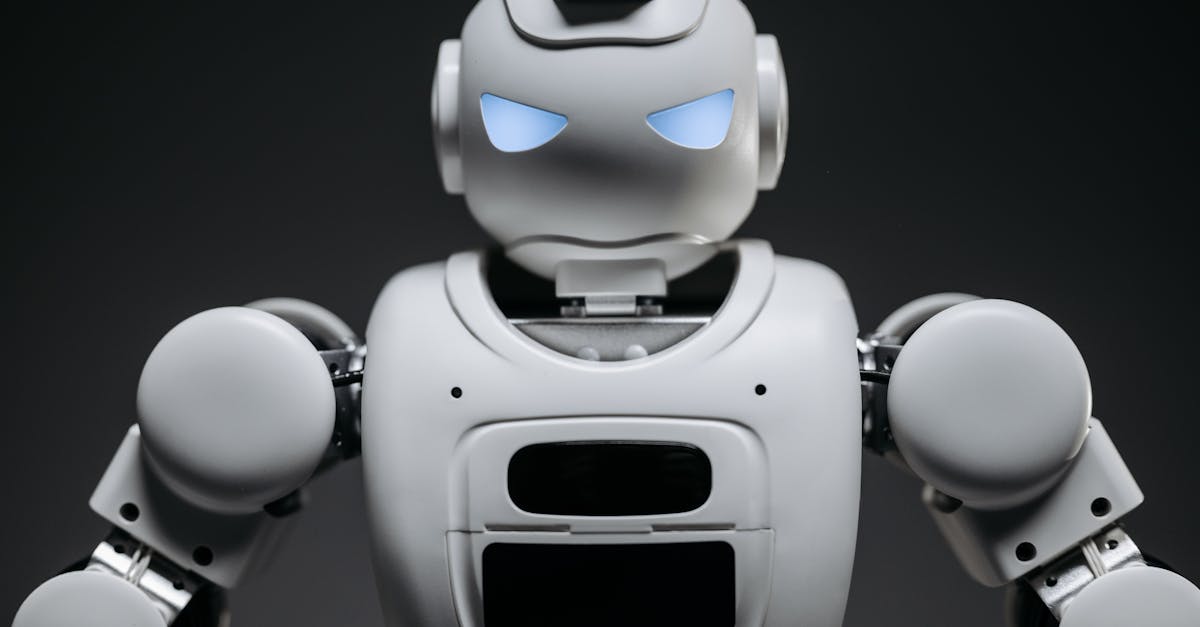
At the recent Tesla AI Day event, the tech giant unveiled significant updates to its Optimus Gen 2 humanoid robot, marking a pivotal step toward commercial viability. The latest iteration showcases improved hand dexterity, capable of handling delicate objects like eggs and grapes without damage. This advancement addresses one of the primary concerns regarding humanoid robotics in industrial settings.
Technical Specifications and Performance Metrics
The Optimus Gen 2 features a redesigned actuator system that allows for faster walking speeds and more precise manipulation. Tesla reported that the robot can now perform complex assembly tasks previously reserved for human workers. The internal battery life has also been extended to support longer operational shifts, essential for manufacturing plants operating on a 24/7 basis. These technical upgrades position the robot as a serious contender in the global automation market.
Implications for the Indian Market
For the Indian robotics sector, this development holds significant promise. Industry experts suggest that Tesla is eyeing partnerships with Indian automotive manufacturers to localize production. With India aiming to become a global manufacturing hub, the cost-effective automation offered by Optimus could disrupt the labor-intensive automotive and electronics sectors. Current estimates place the price point around $20,000, which translates to approximately ₹16.5 lakh. If localized, this could make it competitive with traditional industrial arms.
Future Roadmap and Adoption
Tesla plans to begin limited deployment within its own factories in 2025, with broader commercial availability expected thereafter. The company has indicated that software updates will continue to refine the robot's AI capabilities through over-the-air (OTA) updates. This model suggests a continuous improvement cycle that benefits early adopters in emerging markets like India.
Regulatory and Economic Outlook
The Indian government's focus on 'Make in India' aligns well with Tesla's manufacturing ambitions. However, regulatory frameworks regarding workplace safety and liability for autonomous machines remain a key discussion point. Experts believe that collaboration between Indian policymakers and tech giants will be crucial to establishing standards that protect workers while encouraging innovation.
The robotics industry in India is currently witnessing a surge in investment, with startups focusing on specialized automation. The entry of a major player like Tesla could accelerate the demand for skilled labor and infrastructure upgrades to support humanoid integration, potentially reshaping the employment landscape in manufacturing zones across Pune, Chennai, and Gujarat.
More in Reviews & Opinion