AMRs in Warehouses: The Post-AGV Reality Check
Introduction: Beyond the Agv Line
The warehouse automation landscape has shifted decisively from wire-guided Automated Guided Vehicles (AGVs) to Autonomous Mobile Robots (AMRs). This transition is not merely semantic; it represents a fundamental change in navigation logic, infrastructure requirements, and operational flexibility. While early media coverage often conflated the two terms, the Material Handling Industry of America (MHI) distinguishes them based on navigation capability. AGVs follow fixed paths defined by wires, magnets, or laser reflectors. AMRs utilize onboard sensors and mapping algorithms to navigate dynamic environments without physical guidance infrastructure.
At RobotWale, we prioritize shipping hardware over concept videos. The AMR category currently includes verified units from manufacturers like MiR, Locus Robotics, and KUKA that are deployed in commercial warehouses globally. In the Indian context, adoption is accelerating among large e-commerce and manufacturing hubs in Gurgaon, Chennai, and Pune, driven by labor shortages and rising minimum wage compliance costs.
Technical Distinctions: Navigation and Sensing
SLAM and LiDAR Architecture
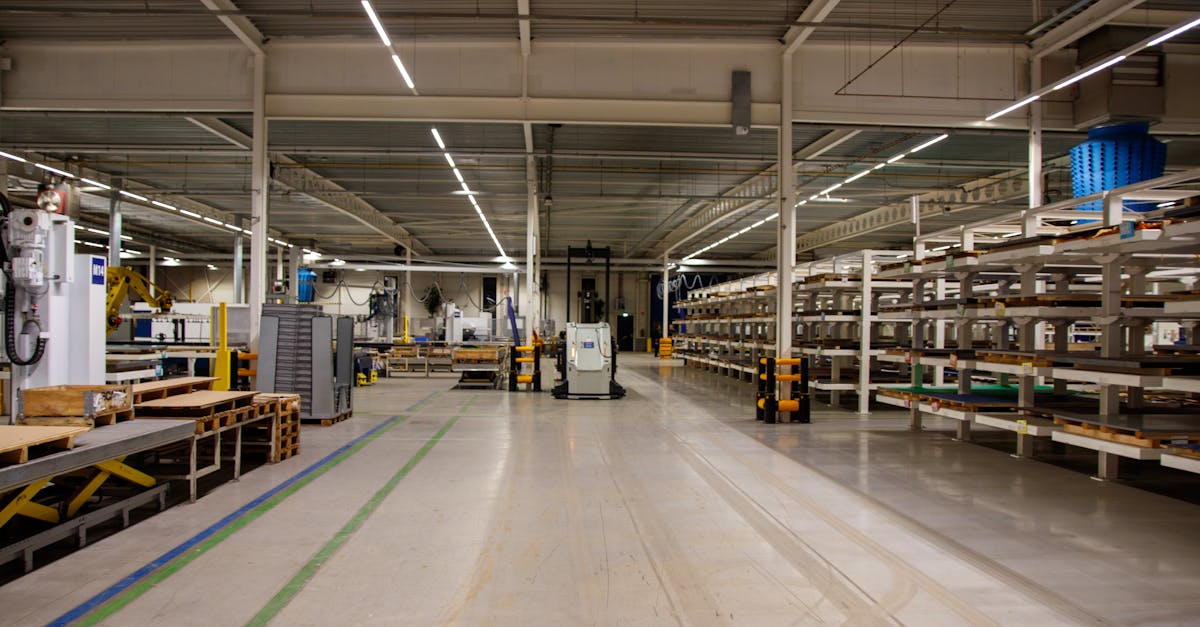
Modern AMRs typically employ Simultaneous Localization and Mapping (SLAM) technology. Unlike AGVs, which require physical markers, AMRs map their environment using LiDAR (Light Detection and Ranging), cameras, or ultrasonic sensors. This allows the robot to update its internal map in real-time as obstacles are moved or walls are altered.
Key hardware specifications for warehouse-grade AMRs generally include:
- LiDAR Resolution: 360-degree scan with 10+ Hz frequency.
- Processing Unit: Industrial-grade CPU capable of edge computing for obstacle avoidance.
- Battery Life: 12 to 24 hours of operation with automated charging capabilities.
- Load Capacity: Ranging from 50 kg for tote transport to 2,000 kg for pallet handling.
Manufacturers like Locus Robotics emphasize this distinction in their LocusBot series, which operates alongside human workers without the need for safety fencing in many configurations. This contrasts sharply with traditional AGVs that often require cordon-off zones due to fixed trajectory constraints.
Hardware Reliability vs. Conceptual Claims
When evaluating AMR vendors, we apply a strict grading system. Tier 1 includes vendors with >500 units shipped in India or Southeast Asia. Tier 2 includes pilot programs with documented ROI data. Tier 3 consists of press releases without hardware verification. Currently, major global brands like MiR (Mobile Industrial Robots) and KUKA are Tier 1 in India due to established service networks. Many domestic startups claim Tier 1 status but often operate in Tier 2, requiring proof of pilot deployments before investment decisions are made.
The Indian Warehouse Market
India's warehouse automation sector is distinct from Western markets due to higher labor costs in specific regions and varying infrastructure quality. While AMRs offer flexibility, their deployment requires specific floor conditions. Smooth concrete floors are essential for optimal navigation, particularly for units relying on optical SLAM rather than LiDAR.
Current Deployments
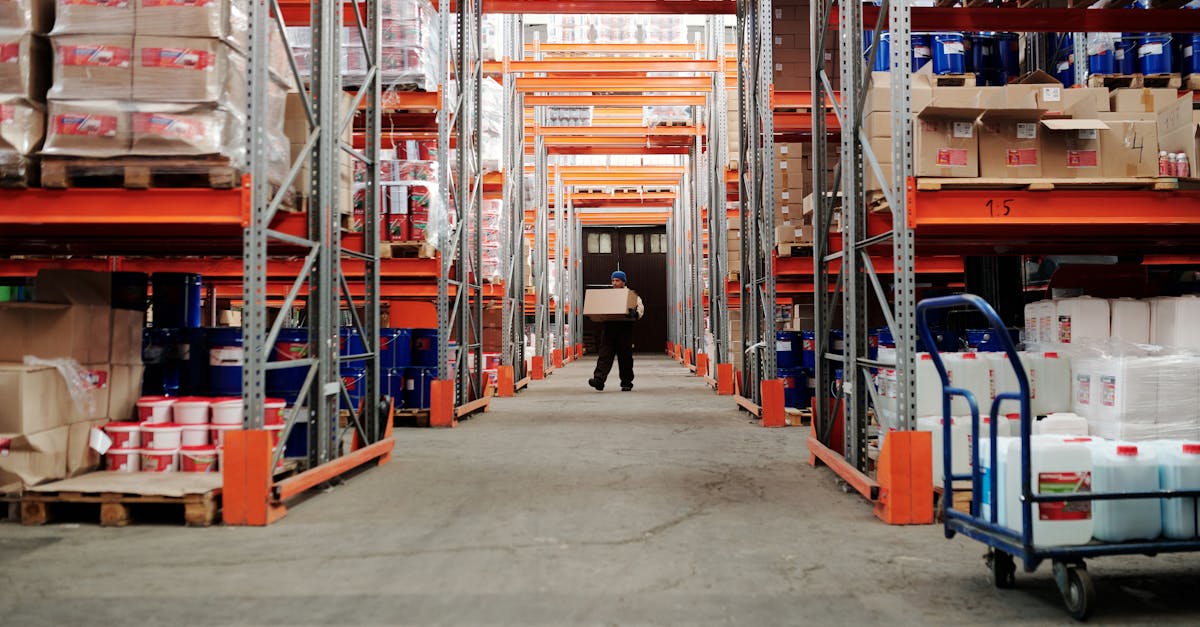
Several large-scale fulfillment centers in India have integrated AMRs for "Goods-to-Person" (G2P) picking. In this model, the robot brings the inventory to the stationary picker, reducing travel time by up to 70%. The AMR fleet is managed through a central Warehouse Management System (WMS) integration, often via API.
Notable adopters include major e-commerce players and third-party logistics (3PL) providers in the National Capital Region (NCR). These deployments often utilize AMRs for pallet transport between racking zones and loading bays. Unlike AGVs, these units do not require floor-embedded wiring, significantly reducing installation downtime and cost.
Service and Maintenance Ecosystem
Availability of spare parts and local technician support is a critical differentiator in the Indian market. Global manufacturers like MiR have partnered with Indian system integrators to establish service centers in Mumbai and Bangalore. For smaller AMRs used in lighter logistics, the requirement for specialized technicians is lower, but the uptime guarantee remains a key procurement metric.
Pricing and ROI Analysis
Estimating the cost of AMR deployment in India requires accounting for the landed cost, which includes import duties, GST, and localization services. The following table provides approximate pricing based on current market data for shipping hardware.
Estimated Cost Breakdown (INR)
Note: Prices are estimates and subject to change based on import policies and volume discounts.
- Entry-Level AMR (Tote Transport): ₹15 Lakhs to ₹25 Lakhs ($18k-$30k USD).
- Mid-Market AMR (Forklift Replacement): ₹40 Lakhs to ₹60 Lakhs ($50k-$75k USD).
- Heavy-Duty AMR (Pallet Handling): ₹80 Lakhs+ ($100k+ USD).
When calculating ROI, we must factor in the cost of the software license, which is often annual. Additionally, the ROI period for AMRs in India typically ranges from 18 to 36 months, depending on labor cost savings and throughput increase. A standard calculation assumes a 20% increase in pick rates and a reduction in overtime labor costs.
Integration Challenges and Infrastructure
WMS Compatibility
One of the primary bottlenecks for AMR adoption is the integration with existing Warehouse Management Systems (WMS). Legacy systems often lack the API endpoints required to communicate with third-party robotics fleets. Successful deployments require middleware or direct API integration with the WMS to assign tasks dynamically.
Manufacturers like KUKA provide open APIs to facilitate this connection, but the onus lies on the system integrator to ensure data flow stability. In many cases, warehouses opt for a "black box" approach where the AMR fleet operates on a parallel system, communicating via a simple dashboard rather than deep WMS integration.
Safety Standards
Safety remains a paramount concern in dense warehouse environments. The ISO 3691-4 standard specifically addresses safety requirements for mobile industrial robots. This standard dictates speed limits and braking distances when humans are in proximity.
AMRs are generally equipped with:
- Emergency Stop (E-Stop): Physical buttons accessible on the chassis.
- 360-Degree Scanning: To detect moving obstacles.
- Visual/Audible Alerts: To warn pedestrians of approaching robots.
In India, compliance with Factory Act regulations requires additional safety training for operators. While AMRs reduce physical strain, the transition requires a shift in operational culture where humans and robots share the same aisle safely.
Future Outlook: Shipping Reality vs. Announcements
The AMR sector is prone to hype cycles. We frequently see announcements regarding autonomous forklifts or heavy-load AMRs that remain in the pilot phase for years. Our editorial stance is to prioritize units currently shipping to commercial clients over those in demo mode.
Looking forward, the trend is toward fleet management software that optimizes the routing of multiple robots simultaneously to prevent congestion. This is a software challenge rather than a hardware one. We expect to see more vendors offering cloud-based fleet management rather than on-premise servers.
For Indian warehouses, the next phase involves hybrid models where AMRs handle the transport, and traditional robotic arms handle the picking. This "hybrid automation" avoids the high cost of fully autonomous robotic picking arms, which remain in the early adoption phase globally.
Conclusion
Autonomous Mobile Robots represent a validated advancement in warehouse logistics, moving beyond the rigid constraints of AGVs. For Indian businesses, the value proposition lies in flexibility and reduced installation time. However, the capital expenditure remains significant, and ROI depends heavily on the existing infrastructure quality and labor cost baselines.
Stakeholders should prioritize Tier 1 vendors with verified shipping data in India. The technology is mature enough for deployment, provided that safety protocols and WMS integration are addressed before procurement. As the market matures, we anticipate a consolidation of vendors, leaving the established players with proven service networks to dominate the logistics sector.
RobotWale continues to monitor the sector for new deployments that meet our hardware verification criteria, ensuring that our readers receive actionable data rather than speculative projections.
References
- Material Handling Industry of America (MHI). Material Handling Industry Standards. Accessed 2023.
- Mobile Industrial Robots (MiR). MiR Autonomous Mobile Robots. Manufacturer Specifications.
- Locus Robotics. LocusBot Warehouse Automation. Case Studies and Product Sheets.
- KUKA Robotics. KUKA Robotics Warehouse Solutions. Integration Documentation.
✓ Key takeaways
- •Hands-on view of AMRs in Warehouses: The Post-AGV Reality Check inside our AMRs in Warehouses library.
- •Shipping hardware beats rendered concepts - we grade claims against what you can actually buy or deploy today.
- •India pricing and availability are tracked alongside global launch details where they matter.
References
Related articles
More in AMRs in Warehouses →