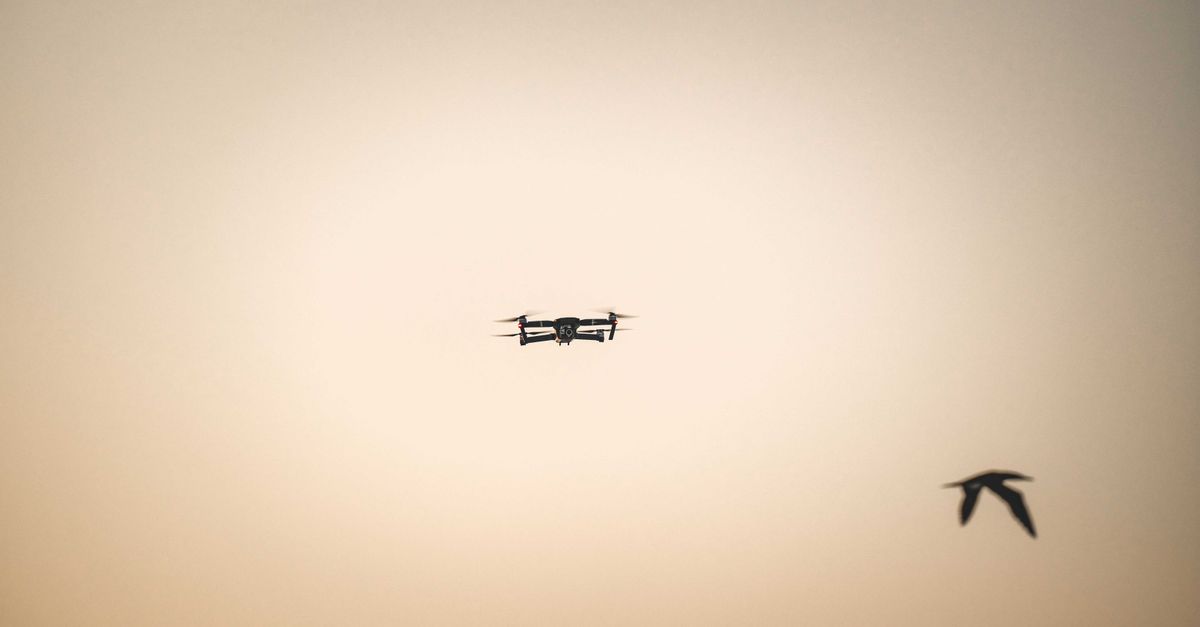
Navigating India's DGCA Drone Regulations: A Practical Guide for Operators

Regulatory Framework Overview
The regulatory landscape for Unmanned Aerial Systems (UAS) in India has undergone a significant transformation since the initial ban on drone imports in 2016. The current framework is anchored in the Drone Rules, 2021, notified by the Ministry of Civil Aviation (MoCA) in June 2021, with amendments released in 2022 and 2023. These rules are administered under the Aircraft Act, 1934, and the Civil Aviation Requirements (CARs). The primary objective is to balance the growth of the drone ecosystem with national security and air safety.
Unlike the United States where the FAA oversees all aspects, or the European Union which has a unified framework, India's approach is centralized through the Digital Sky Platform (DSP). This digital infrastructure manages everything from registration and licensing to flight permissions. For operators, understanding the distinction between the UAS Owner, UAS Operator, and UAS Pilot is critical. The DGCA (Directorate General of Civil Aviation) acts as the regulatory authority, while the Airports Authority of India (AAI) manages the air traffic control aspects related to drone flight corridors.
Compliance is not merely a procedural hurdle but a legal necessity. Violations can lead to the confiscation of the drone, fines, or legal action under the Arms Act, 1959, if the drone is deemed to carry prohibited payloads. The new rules have liberalized many aspects, such as removing the need for a permit for small drones in non-prohibited areas, but the Digital Sky Platform remains the single point of truth for all operational permissions.
UAS Pilot and Operator Licensing
One of the most significant changes in the 2021 framework is the separation of the Pilot license from the Operator license. Previously, a pilot had to be certified under strict conditions. Now, anyone over the age of 18 can obtain a UAS Pilot License (UPL) by training at a DGCA-recognized training organization. The training covers air laws, meteorology, and flight operations. The cost of training varies, typically ranging from INR 15,000 to INR 40,000 depending on the complexity of the course and the training provider.
Furthermore, the UAS Operator Registration is mandatory for anyone using a drone for commercial purposes. This registration is done via the Digital Sky Platform and includes the issuance of a Unique Identification Number (UIN). The UIN acts as a digital identity for the drone, similar to a registration number for a vehicle. The operator must also adhere to the UAS Operator Guidelines which mandate that the operator is responsible for the safe use of the drone, the maintenance of the equipment, and the safety of third-party persons and property.
For hobbyists flying drones weighing less than 250 grams, the requirement for a UIN and UPL is waived, provided the flight remains within the visual line of sight (VLOS) and in a non-restricted area. However, registration with the Digital Sky Platform is still recommended for tracking purposes. For drones weighing between 250 grams and 25 kilograms, the UIN and UPL are mandatory. The registration process is digital, eliminating the need for physical paperwork submission in most cases.
Drone Categorization and Weight Limits
The DGCA categorizes drones into five distinct classes based on maximum take-off weight (MTOW). This classification dictates the level of regulation and the type of permissions required.
- Nano Drones: Maximum take-off weight up to 250 grams. These are exempt from most regulations including UIN and UPL requirements for hobbyists, provided they are not flown in no-fly zones.
- Micro Drones: Weight between 250 grams and 2 kilograms. Flight permissions are required for commercial use, and UIN is mandatory.
- Small Drones: Weight between 2 kilograms and 25 kilograms. These are the most common category for commercial surveying, agriculture, and logistics.
- Medium Drones: Weight between 25 kilograms and 150 kilograms. These require specific flight permissions and are often used for heavy lifting or specialized industrial tasks.
- Large Drones: Weight over 150 kilograms. These are subject to the strictest regulatory oversight similar to manned aircraft.
It is important to note that the weight limits refer to the maximum take-off weight, not just the base weight of the airframe. This includes the payload, battery, and any additional equipment attached to the drone. Operators must ensure their specific model is listed in the Digital Sky Platform database to avoid compliance issues during inspections.
Flight Permissions and No-Fly Zones
Under the new rules, the process for obtaining flight permissions has been digitized through the Digital Sky Platform. Historically, operators had to seek permission from the local police and aviation authorities for every flight. Now, the system allows for online application and automated clearance for permissible flights.
The No-Fly Zones (NFZs) are defined by the government based on security concerns. These include proximity to international borders, airports, military installations, and sensitive government infrastructure. The Digital Sky Platform provides a map that clearly marks these zones. Attempting to fly a drone into a restricted area without explicit authorization is a violation of the rules.
For flights outside the NFZ, the Green Zone concept applies, where automated permission is granted. For the Yellow Zone, permission is granted after security clearance verification. The Red Zone is completely prohibited for drone operations without specific government approval. The rules specify that no commercial entity can fly a drone beyond the visual line of sight (BVLOS) without explicit permission, although trials are ongoing for BVLOS operations in controlled corridors.
Insurance and Safety Requirements
Third-party insurance is a mandatory requirement for all drones except Nano category drones used for hobby purposes. The minimum insurance coverage must be at least INR 10 Lakhs (1 million rupees) for property damage or personal injury. For larger drones, the insurance coverage amount scales with the weight of the drone. This requirement ensures that in the event of an accident, there is a financial mechanism to compensate affected parties.
Operators must also ensure that the drone is equipped with a Remote Identification and Tracking System (DIT) if it falls under the Micro, Small, Medium, or Large categories. This system allows the drone to broadcast its location and identity data, aiding in security monitoring. The use of non-compliant drones, such as those lacking DIT or flying without a UIN, can lead to the drone being seized by law enforcement agencies.
Maintenance protocols are also highlighted. Operators must maintain a log of the drone's flight hours and maintenance schedules. This ensures that the airworthiness of the drone is preserved. The DGCA has the authority to inspect the drone and the operator's records at any time. Failure to maintain these records can lead to the cancellation of the operator's license.
Conclusion
The regulatory framework established by the DGCA and MoCA represents a mature approach to integrating drones into India's airspace. While the rules are stringent, they are designed to foster a safe and scalable industry. For Indian startups and enterprises, compliance with the Digital Sky Platform is the first step toward operational viability. As the technology evolves, particularly in the areas of BVLOS and heavy-lift logistics, the regulations are expected to adapt through further amendments to the Drone Rules, 2021.
Operators are advised to regularly check the MoCA website for the latest circulars and amendments. The transition from manual paperwork to the Digital Sky Platform has reduced bureaucratic friction, but the onus remains on the operator to ensure full compliance with flight permissions, licensing, and safety standards.
References
- Ministry of Civil Aviation. (2021). Drone Rules, 2021. Retrieved from dgca.gov.in.
- Ministry of Civil Aviation. (2022). Amendment to Drone Rules, 2022. Retrieved from dgca.gov.in.
- Digital Sky Platform. UAS Registration and Licensing. Retrieved from digital-skya.gov.in.
- DroneWale India. (2023). Understanding the DGCA Drone Rules. Retrieved from dronewale.com.
✓ Key takeaways
- •Hands-on view of Navigating India's DGCA Drone Regulations: A Practical Guide for Operators inside our DGCA Drone Rules library.
- •Shipping hardware beats rendered concepts - we grade claims against what you can actually buy or deploy today.
- •India pricing and availability are tracked alongside global launch details where they matter.
References
Related articles
More in DGCA Drone Rules →