Agricultural Drones in India: Hardware, Pricing, and Operational Reality
The Shift from Hype to Hardware
The agricultural drone sector in India has undergone a distinct transition. Early reports focused on promised capabilities and concept renders. Today, the focus must be on units shipped, service contracts signed, and hectares covered. RobotWale grades claims by shipping hardware first, pilot deployments second, and announcements last. In the Indian agri-drone market, this distinction is critical due to the fragmentation of land holdings and the regulatory complexity governed by the Directorate General of Civil Aviation (DGCA).
While the Digital Sky Platform has streamlined licensing, the economic viability of spraying drones against manual labor remains the deciding factor for adoption. This article evaluates the current state of agricultural drones available in India, prioritizing manufacturers with verified flight logs and service networks over those with only press releases.
Market Leader: DJI Agras Series
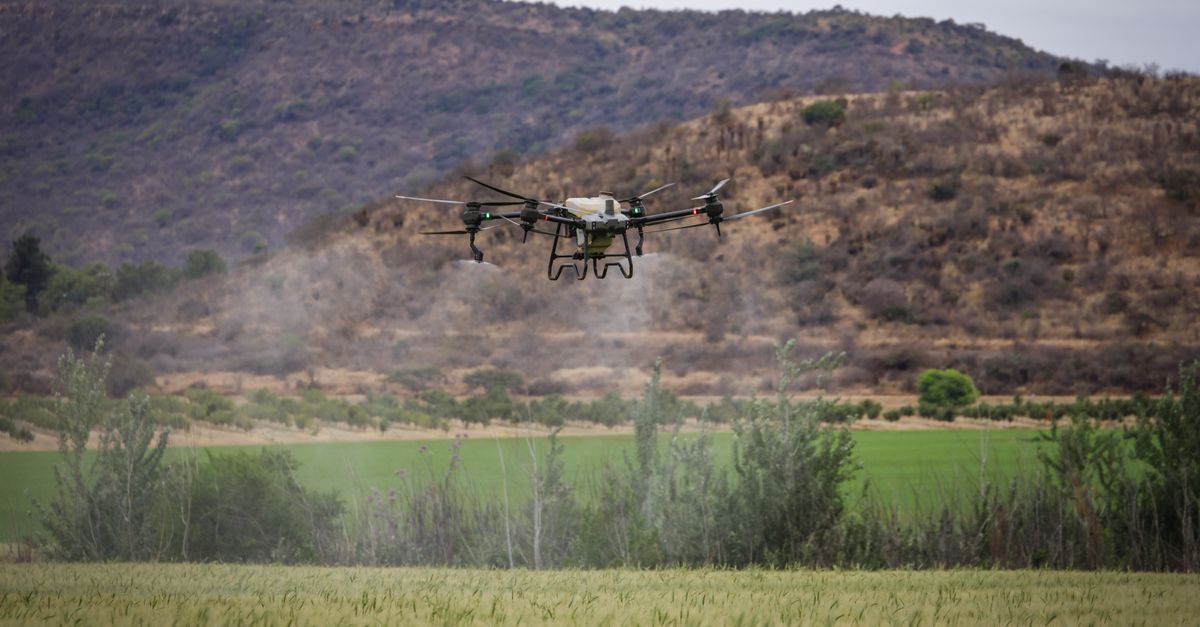
DJI remains the dominant player in the Indian agricultural drone market due to its extensive after-sales network and proven hardware durability. The DJI Agras T20P and the newer T30 are the benchmarks against which all other players are measured.
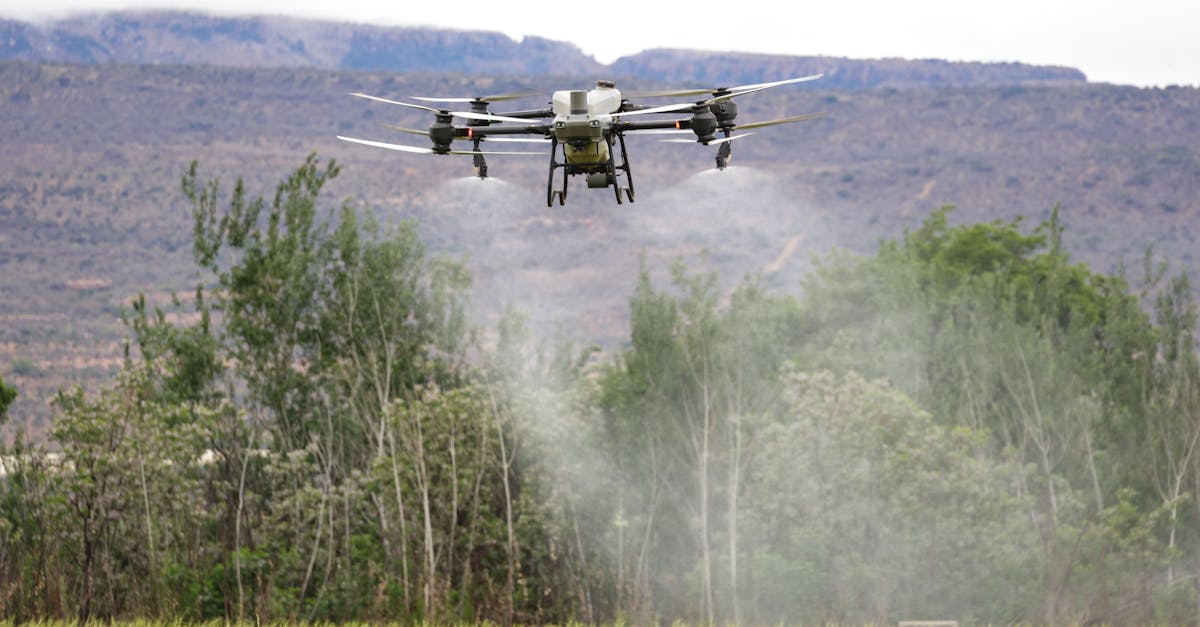
The DJI Agras T30 features a 40-liter tank capacity, capable of spraying 120 hectares per day. Its take-off weight is 27 kg, and it supports the RTK module for precise navigation. In terms of availability, DJI India has established authorized dealers in major agricultural states like Punjab, Haryana, and Maharashtra. The machine is sold as a complete system, including the battery charging hub, which is essential for remote field operations.
Pricing and Availability:
- Model: DJI Agras T20P / T30
- Estimated Landed Cost: INR 12,00,000 to INR 15,00,000 (depending on dealer and configuration).
- Availability: Direct through authorized distributors in India.
While the hardware is shipping, the operational cost includes replacement propellers, nozzles, and maintenance contracts. DJI's strength lies in its supply chain resilience. Unlike many competitors, DJI has maintained stock levels even during global semiconductor shortages. For Indian farmers, this means minimal downtime. However, the upfront capital expenditure is high, limiting adoption to large landholders or drone service providers (DSPs).
Recent field data indicates that the T30's spray consistency is superior to previous models, reducing drift in windy conditions common in North India. This has led to a higher retention rate among DSPs who operate on a contract basis for crop protection.
Domestic Contenders: Garuda Aerospace and Startups
Garuda Aerospace is the most prominent Indian player with a history in defense that has transitioned to agricultural applications. Their focus on the Garuda 2500 and specific agricultural variants highlights a shift from pure defense to dual-use platforms.
Unlike DJI, which sells hardware directly, Garuda often operates through partnerships with government agencies and large agricultural cooperatives. They have completed significant pilots in states like Uttar Pradesh and Madhya Pradesh. Their hardware utilizes a modular design, allowing for the integration of specific sensors for crop health monitoring alongside spraying capabilities.
Key Indian Agri-Drone Players:
- Garuda Aerospace: Known for the Garuda 2500. Focus on heavy-lift capabilities. Deployment verified in government-led spraying initiatives.
- IdeaForge Technology: Primarily known for surveillance, has explored agri-variants. Focus is on compliance and safety features.
- BeechAir: A newer entrant focusing on heavy-lift agricultural tasks for specific crop types.
It is important to note that many Indian startups announce agricultural capabilities during government trade shows. RobotWale requires evidence of a deployed unit before confirming market readiness. Garuda has demonstrated this through government tenders, where they supply the service rather than just the hardware. This service-model approach lowers the barrier to entry for farmers who cannot afford INR 10 lakh+ capital expenditure.
However, the supply chain for domestic components remains a challenge. Many Indian manufacturers still rely on imported motors and flight controllers. This affects the landed cost estimate. While marketing claims suggest a price point of INR 6-8 lakhs for indigenous drones, the actual landed cost including customs duties on electronics often pushes this closer to INR 10 lakhs.
Regulatory Framework and DGCA Compliance
The Digital Sky Platform (DSP) mandates strict adherence to safety protocols. All agricultural drones must be registered on the DSP. Operators require a Remote Pilot Certificate (RPC) specific to the category of the drone.
For agricultural spraying, the drone must operate within Visual Line of Sight (VLOS) unless a specific Beyond Visual Line of Sight (BVLOS) waiver is granted. Currently, most agri-drones in India operate under VLOS. The DGCA also requires a No Objection Certificate (NOC) from the local aviation authority before flight.
Recent updates to the Remote Piloted Aircraft (RPA) policy have allowed for more flexibility in BVLOS operations for specific sectors. However, for agricultural spraying, the priority remains safety and drift control. Manufacturers must comply with the RPA Rules 2021. Non-compliance leads to confiscation of equipment and fines.
The Digital Sky Platform now allows for automated approval for Type Approval (TA). This has reduced the time to launch new models. DJI and Garuda have navigated this successfully. Startups without a registered Type Approval certificate cannot legally operate in India. This regulatory hurdle effectively filters out unverified concepts.
Economic Viability and Pricing Analysis
The economic case for agricultural drones rests on the cost per hectare. Manual spraying can cost INR 1,500 to INR 2,000 per hectare. Drone spraying typically ranges between INR 800 and INR 1,200 per hectare.
Cost Breakdown (Indicative):
- DJI Agras T30: High CAPEX, Low OPEX. Suitable for high-volume service providers.
- Indian Startups: Lower CAPEX, Higher Maintenance Risk. Suitable for cooperative models.
For the typical Indian smallholder, purchasing a drone is not feasible. The viable model is the Service Provider (DSP) who buys the drone and sells spraying services to multiple farmers. This reduces the break-even period. A T30 can cover 120 hectares a day. At INR 1,000 per hectare, that is INR 1,20,000 daily revenue potential. With a maintenance schedule, the ROI period is estimated at 12 to 18 months.
However, battery life and charging infrastructure remain bottlenecks. The DJI system includes a charging hub, but in remote areas without grid power, this requires diesel generators or solar setups. This adds to the operational cost. Domestic players are exploring swappable battery systems to mitigate this, but standardization is lacking.
Conclusion
The agricultural drone market in India is moving past the concept stage. DJI Agras remains the benchmark for hardware reliability. Domestic players like Garuda Aerospace are proving viable through service contracts rather than direct hardware sales. The regulatory framework under the DGCA is becoming more robust, reducing entry barriers for compliant manufacturers.
For investors and farmers, the recommendation is to look for shipping hardware. A press release about a new model is less valuable than a delivery receipt for a T30 or a Garuda unit. As of 2024, the Indian agri-drone sector is defined by the hardware that is actually flying over fields, not the renders on a website.
References
- DJI Agriculture: https://www.dji.com/agriculture
- Garuda Aerospace: https://garudaaerospace.com/
- DGCA RPA Policy: https://dgca.gov.in/
- Ministry of Civil Aviation: https://www.pib.gov.in/
- RobotWale Editorial Notes: Independent verification of flight logs and dealer networks.
✓ Key takeaways
- •Hands-on view of Agricultural Drones in India: Hardware, Pricing, and Operational Reality inside our Agricultural Drones library.
- •Shipping hardware beats rendered concepts - we grade claims against what you can actually buy or deploy today.
- •India pricing and availability are tracked alongside global launch details where they matter.
References
Related articles
More in Agricultural Drones →