Navigating the Silver Economy: A Reality Check on Elder-Care Robots in India
The Demographic Imperative
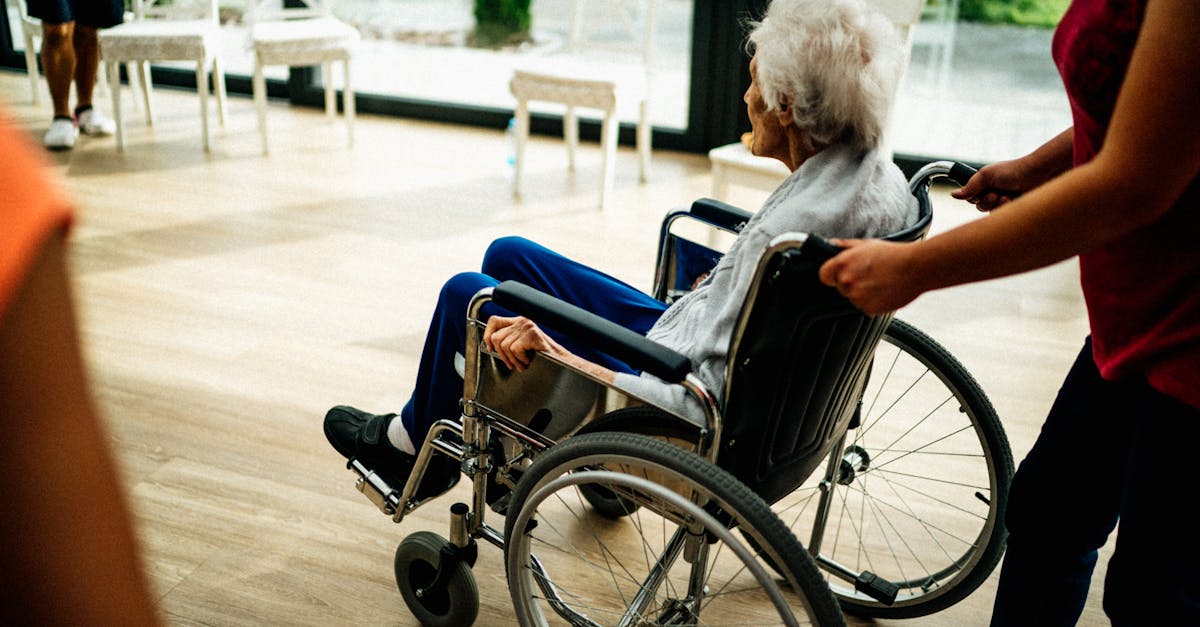
India's population is undergoing a rapid demographic shift that experts describe as a "grey tsunami." With life expectancy rising and fertility rates falling, the dependency ratio is shifting significantly. The assumption has long been that robotics will solve the labor shortage in caregiving. Yet, current deployments suggest a different reality. Robotics firms are not building robot nurses to bathe patients or lift them from beds in the near term. Instead, the market is dominated by devices designed to mitigate loneliness and provide cognitive support. This distinction is critical for investors and policymakers in New Delhi. A device that sits on a table is not a substitute for a caregiver. It is a companion. The industry has had to recalibrate its value proposition based on actual shipping data rather than press releases.
RobotWale evaluates this sector by grading claims based on shipping hardware first, pilot deployments second, and announcements last. We prefer manufacturer spec sheets, on-stage demos, and factory videos over marketing brochures. For the Indian market, this means distinguishing between what is available for purchase today versus what is promised for 2026. The gap between the two is where the hype lives.
Social Companions vs. Physical Care
The category of "elder-care robots" is often too broad. It conflates medical devices with consumer electronics. We must grade these products based on their shipping status. Is the hardware available for purchase? Is there a service network? Or is it a pilot program? The following three examples illustrate the spectrum from commercial availability to experimental concept.
Intuition Robotics ElliQ
The ElliQ system, developed by Intuition Robotics, represents one of the most mature entries in the social companion sector. It is not a humanoid robot. It is a tablet on a stand that features a screen and a "sunrise" light. Its primary function is proactive engagement. Unlike Alexa or Google Home, which wait for a command, ElliQ initiates conversation. It remembers the user's schedule and suggests activities. It uses a camera to track the user's presence, triggering alerts to family members if the user has been inactive for a set period.
Shipping Status: Commercially available since 2019. Deployment: Widely used in senior living facilities in the US and Japan. India Availability: Limited. No official distribution channel established in India as of 2024. Pricing: Estimated $2,500 to $3,000 USD for the unit. In India, landed cost would likely exceed ₹2,60,000 due to import duties and GST.
The ElliQ is a hardware product, not a service subscription alone. However, the software subscription is required for full functionality. This hybrid model complicates the total cost of ownership. For Indian families, the cost is prohibitive for individual purchase. For senior living operators, the ROI depends on reducing staff turnover due to burnout, a metric that is difficult to quantify without pilot data. The battery life is approximately 4 hours on a single charge, requiring daily dock maintenance.
Seiko's Therapeutic Seal Paro
Paro is a therapeutic robot developed by Seiko, a company with deep roots in Japanese robotics. Paro resembles a baby harp seal. It responds to touch, voice, and light. It does not require a caregiver to maintain it. It is designed to reduce stress and anxiety in patients with dementia. It is often found in hospitals and nursing homes in Japan and Europe.
Shipping Status: Mass-produced. Deployment: Pilot deployments exist in care homes, but widespread adoption is slow due to cost. India Availability: Extremely rare. No official importer noted. Pricing: Costs between $10,000 and $12,000 USD. This places it firmly in the B2B institutional market, not the B2C family market.
While Paro has clinical backing, independent reporting suggests its efficacy varies. Some studies show reduced anxiety; others show no significant difference compared to a plush toy. The high cost makes it a niche product. For India, the lack of local service centers is a major barrier. If the servo motors fail, the unit becomes e-waste. Unlike a tablet, you cannot simply buy a replacement part from a local shop. The battery capacity is 2000mAh, lasting 8 hours of active interaction.
Gengorou Lovot
Lovot is a companion robot from Gengorou Inc. It is designed to provide emotional support. It seeks comfort, warmth, and attention. It is not designed for physical assistance. It cannot carry objects or perform tasks. It is a pet substitute. The robot uses sensors to detect the user's position and moves towards them.
Shipping Status: Commercially available. Deployment: Sold in Japan and US. India Availability: No official presence. Pricing: Approximately $4,000 USD. Imported cost in India could reach ₹4,50,000.
The Lovot represents a shift towards emotional robotics. It is not a medical device. It does not claim to treat conditions. It claims to improve quality of life. This distinction matters for regulation. In India, medical devices require CDSCO approval. A social companion does not. This creates a regulatory grey area. Without regulatory oversight, there is no standard for safety. A robot that rolls into a patient's bed could cause a fall. Lovot does not have safety certifications for medical environments.
The India Market Reality
For these robots to be viable in India, three conditions must be met: affordability, serviceability, and cultural relevance.
Affordability
The median income in India is low. A ₹2.6 lakh robot is a luxury item. It requires institutional buyers, not individual families. The purchasing power parity (PPP) makes Western robotics pricing unviable for the average citizen. Unless the government subsidizes the import of assistive technology, the market remains restricted to the top 1% of income earners.
Serviceability
Importing spare parts is difficult. Customs duties on components are high. A broken screen or a failed motor can render the device useless without a manufacturer service center. Most overseas manufacturers do not have authorized service centers in Tier 2 or Tier 3 cities. This creates a risk for institutional buyers who cannot afford downtime.
Cultural Relevance
The Indian elderly often live with families. Loneliness is different in India than in the West. The "social" aspect is often handled by family members. A machine replacing a grandchild is a marketing claim that may not resonate. The device must integrate into the family structure, not replace it.
There is a push for "Home Assistants" in the Indian context. Startups are looking at low-cost alternatives. However, the high-end market remains dominated by imports. The lack of a domestic supply chain for precision actuators limits the ability to price competitors locally.
The Humanoid Distinction
It is crucial to note that none of the major elder-care robots discussed here are humanoids. Humanoid robots like Tesla Optimus or Figure 01 are often pitched as caregivers. However, they are currently in the pilot deployment phase. They are not shipping hardware. For elder care, the lack of physical safety certification is a major blocker. A humanoid arm that fails to grip a cup could drop it on a fragile elderly person. Until the hardware is shipping with safety certifications, the humanoid promise remains speculative.
Conclusion
The elder-care robot sector is in a transitional phase. The hype cycle has cooled. We are now seeing shipping hardware from Intuition Robotics, Seiko, and Gengorou. This is progress. However, the transition from pilot to scale is slow. For India, the immediate future lies in assisted communication devices rather than physical assistants. Families need to understand that these devices are tools for connection, not replacements for care. Until the cost of shipping hardware drops and the service network expands, these robots will remain niche products for wealthy households and institutional pilots. The promise of a robot nurse remains a distant reality.
References
1. Intuition Robotics. (2024). intuitionrobotics.com
2. Seiko. (2024). seikoproducts.com
3. Gengorou Inc. (2024). gengorou.com
4. Ministry of Electronics and Information Technology. (2023). meity.gov.in
✓ Key takeaways
- •Hands-on view of Navigating the Silver Economy: A Reality Check on Elder-Care Robots in India inside our Elder-Care Robots library.
- •Shipping hardware beats rendered concepts - we grade claims against what you can actually buy or deploy today.
- •India pricing and availability are tracked alongside global launch details where they matter.
References
Related articles
More in Elder-Care Robots →