Hospital AMRs: Logistics, Delivery, and the Reality of Deployment
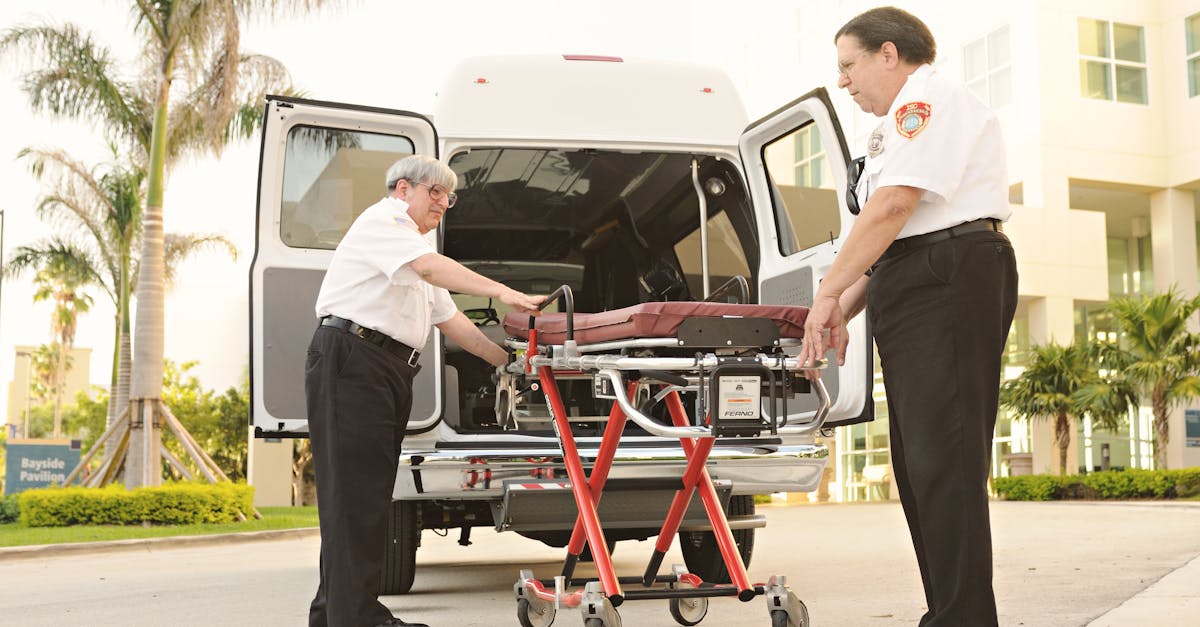
The Shift from Trolley to Autonomous Mobile Robot
In the high-stakes environment of modern healthcare, efficiency is not merely a metric of cost saving; it is a critical component of patient safety and staff well-being. While humanoid robots often capture the headlines for their potential in general care, the immediate and tangible impact in hospitals comes from Autonomous Mobile Robots (AMRs) designed for logistics and material transport. Unlike speculative concepts, these machines have moved from pilot deployments to established shipping hardware in major medical centers globally. The focus here is on verified implementations rather than theoretical frameworks.
Hospital environments present unique challenges compared to warehouses or retail spaces. Narrow corridors, unpredictable human traffic, sterile zones, and complex access control systems require navigation systems that exceed standard industrial automation. The leading players in this sector, primarily Aethon and Oxford Robotics, have demonstrated that AMRs can handle the "last three feet" of hospital delivery, moving supplies from loading docks to patient rooms without direct human intervention.
Aethon TUG: The Logistics Backbone
The Aethon TUG remains the benchmark for hospital delivery AMRs. It is not a delivery robot in the consumer sense but a heavy-duty material handler designed to move carts, linens, pharmaceuticals, and waste. The TUG operates on a floor-embedded magnetic tape or laser-based navigation system, allowing it to traverse busy hospital corridors while avoiding obstacles. In deployment, the system relies on a central management software that routes multiple robots simultaneously without collision.
Technical specifications for the TUG typically include a payload capacity of up to 1,000 pounds (450 kg) on its standard cart platform. It utilizes a combination of LiDAR and cameras for localization. The robot does not require pre-mapping of the entire facility in the traditional sense but utilizes a route-based system where it is assigned specific waypoints. This approach reduces latency and ensures predictable movement patterns essential for sterile environments.
Deployment maturity is high. According to Aethon's public case studies, hospitals like Mass General and Mayo Clinic have utilized the TUG for over a decade. The hardware has been shipping in volume for more than 15 years. In terms of reliability, the system is rated for continuous operation, with battery swapping capabilities ensuring 24/7 functionality. The software allows for integration with existing Hospital Information Systems (HIS), enabling automated order fulfillment where a nurse requests supplies on a tablet and the TUG retrieves them from the central pharmacy.
Nursing Assistance and Patient Interaction
Beyond logistics, the category of Nursing Assistive Robots (NARs) is gaining traction. Oxford Robotics, now part of the Amazon Robotics ecosystem, has advanced the Moxi (Mobile Operator for eXecuting Instructions) robot. Unlike the TUG, which focuses on heavy carts, Moxi is designed for light delivery and patient interaction. It can carry small bins, medications, or lab samples between floors.
Crucially, the hardware specification for Moxi includes a manipulator arm capable of opening standard hospital doors. This capability is significant because it removes the need for manual labor in opening doors for carts, a common bottleneck in hospital workflows. The robot uses a 360-degree camera system for navigation and can map hospital environments dynamically. Unlike the TUG which often uses fixed paths, Moxi utilizes SLAM (Simultaneous Localization and Mapping) technology, allowing it to navigate around unexpected obstacles like a fallen cart or an open door.
While the TUG is a shipping product, Moxi is often found in pilot deployments transitioning to commercial hardware. The value proposition here is reducing nursing burnout. Nurses spend a significant portion of their shift walking and retrieving items. By offloading these tasks to an AMR, the hospital can redirect human capital to direct patient care. However, the operational cost must be weighed against the capital expenditure of the robot.
Deployment Realities and Safety Standards
The implementation of AMRs in hospitals is governed by strict safety standards, primarily ISO 13482. This standard specifies safety requirements and measures for personal care robots. In the context of AMRs, this means the robot must detect and stop upon encountering a person. It cannot rely solely on speed limits; it must have redundant braking systems.
Integration is the primary hurdle. Hospitals often have older infrastructure where elevators and doors are not automated. Successful deployments require the AMR to interface with Building Management Systems (BMS). For example, the TUG must communicate with the elevator controller to call the lift and wait for the doors to open. If the hospital infrastructure is not compatible, retrofitting costs can significantly inflate the total cost of ownership (TCO).
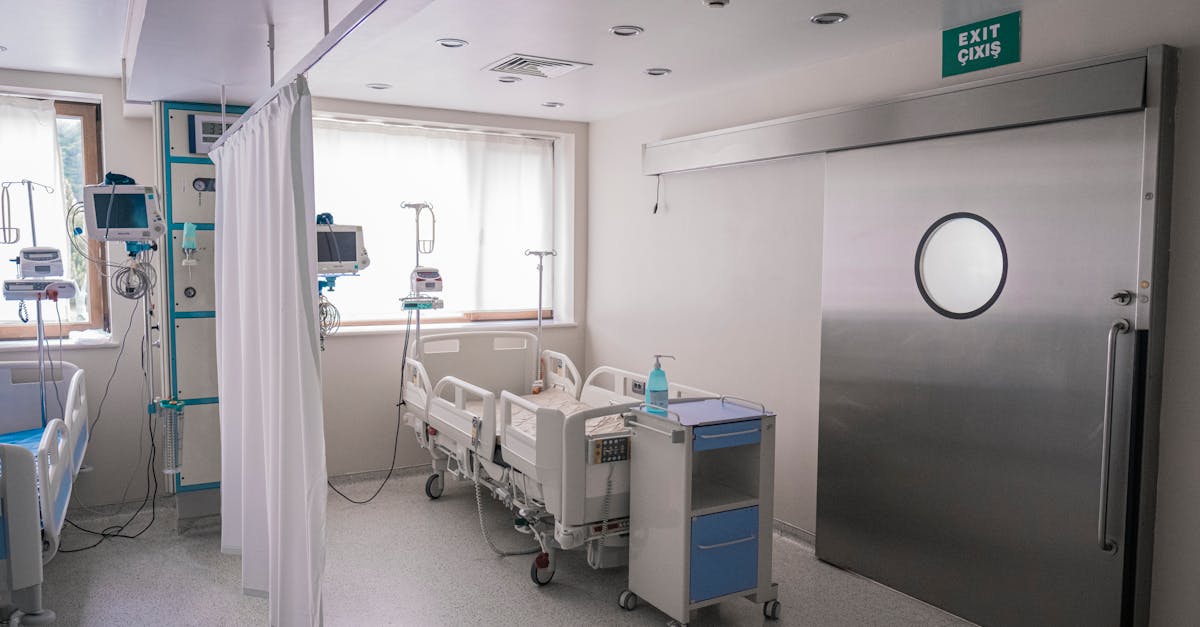
Hygiene is another critical factor. Hospital floors are high-risk areas for infection. AMRs must be designed for cleanability. Surfaces must be non-porous and resistant to harsh disinfectants. Some models feature antimicrobial coatings on their chassis. The wheels and casters are designed to be easily removable for cleaning. This requirement often differentiates hospital-grade AMRs from warehouse robots that are designed for dusty, uncontrolled environments.
The Indian Hospital Context
For the Indian market, the availability of these technologies is currently nascent. While large hospital chains in Mumbai, Delhi, and Bangalore are exploring automation, the adoption rate lags behind the US and Europe. This is due to cost sensitivity and infrastructure limitations. The high capital expenditure of these robots is a barrier for smaller facilities.
Regarding pricing, the landed cost for a system like the Aethon TUG is estimated between $35,000 and $50,000 USD per unit, excluding maintenance contracts. For the Moxi unit, pricing is likely higher, potentially reaching $60,000 USD or more depending on configuration. Converting this to Indian Rupees, the landed cost (including GST, customs duties, and shipping) ranges approximately between ₹30 Lakhs to ₹45 Lakhs per unit for the logistics variants. This estimate excludes the cost of infrastructure retrofitting, such as installing smart elevators or updating network connectivity for fleet management.
Availability in India is primarily through specialized distributors or direct OEM channels. There is no mass-market distribution for these specific healthcare AMRs in India yet. The procurement often involves tender-based processes for government or private hospital groups. For smaller clinics, the cost is prohibitive. However, for Tier-1 private hospitals managing high patient throughput, the ROI analysis often favors the AMR. A reduction in nursing hours spent on logistics can offset the robot's cost within 2 to 3 years.
There is also a regulatory dimension. While the Indian government has introduced the National Robotics Policy, specific medical device regulations for autonomous systems are still evolving. Importing medical devices requires CDSCO approval. If the AMR is classified as a medical device (which it often is if used for drug delivery), it must undergo rigorous clearance. This adds time and cost to the deployment cycle.
Conclusion
The current state of Hospital AMRs is defined by their utility in logistics rather than direct patient care. The hardware is shipping, the pilots are complete, and the ROI is measurable. However, the hype surrounding general-purpose humanoid robots should not distract from the proven value of logistics AMRs. For Indian healthcare providers, the focus should be on evaluating the infrastructure readiness before procurement. The technology is mature, but the ecosystem is not fully formed.
As the market matures, we expect to see more localized assembly or partnerships with Indian robotics firms to reduce the landed cost. Until then, the TUG and Moxi remain the gold standards for verified hospital automation. They offer a tangible return on investment through labor efficiency, not speculative future capabilities.
References
- Aethon Inc. "TUG Autonomous Delivery Robot Specifications." https://www.aethon.com/products/tug/
- Oxford Robotics. "ProBot and Moxi Deployment Case Studies." https://www.oxfordrobotics.com/
- ISO 13482:2014 "Robots and robotic devices — Safety requirements for personal care robots." https://www.iso.org/standard/57777.html
- RobotWale Editorial Team. "Healthcare Robotics in India: Market Barriers and Opportunities." https://www.robotwale.com/healthcare-india
✓ Key takeaways
- •Hands-on view of Hospital AMRs: Logistics, Delivery, and the Reality of Deployment inside our Hospital AMRs library.
- •Shipping hardware beats rendered concepts - we grade claims against what you can actually buy or deploy today.
- •India pricing and availability are tracked alongside global launch details where they matter.
References
Related articles
More in Hospital AMRs →