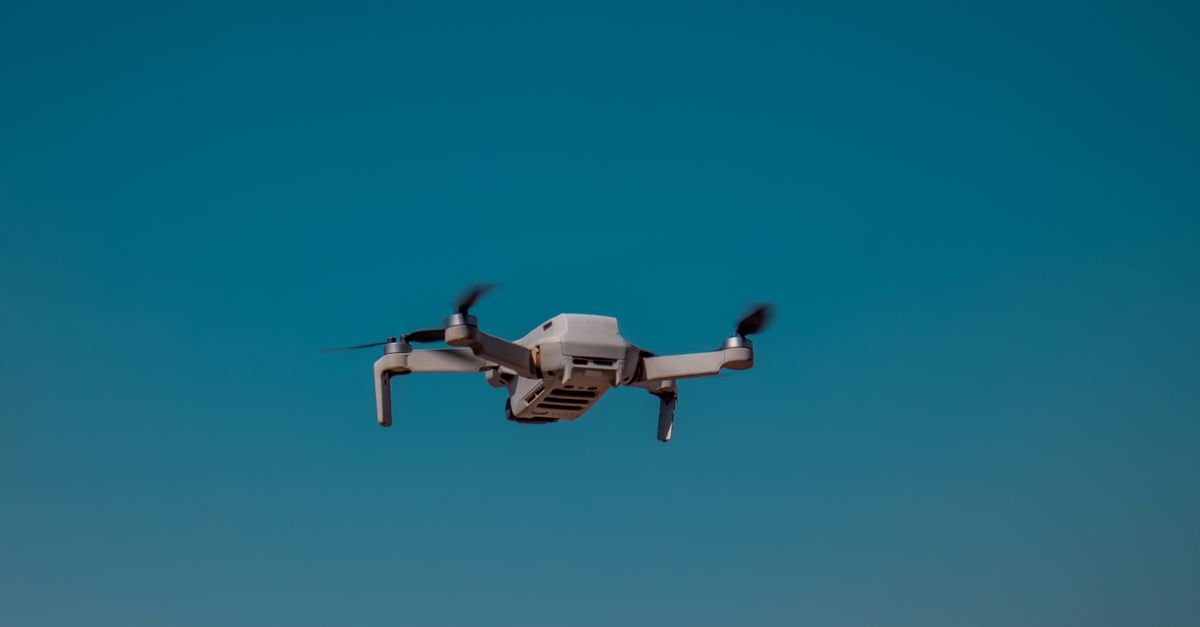
Navigating India's DGCA Drone Regulations: A 2024 Compliance Guide

The Regulatory Landscape for Indian Robotics
India's regulatory framework for unmanned aerial vehicles (UAVs) has undergone a significant transformation since the introduction of the Drone Rules 2021. For the robotics industry, understanding these rules is not merely an administrative exercise but a prerequisite for hardware deployment. As RobotWale tracks the hardware evolution from humanoid prototypes to commercial delivery drones, the regulatory environment remains the primary gatekeeper for market access. The Ministry of Civil Aviation (MoCA), in coordination with the Directorate General of Civil Aviation (DGCA), has shifted from a restrictive licensing regime to a digital-first approach.
The Digital Sky Portal (DSP)
The cornerstone of compliance is the Digital Sky Portal, accessible at digital-skyportal.gov.in. Unlike earlier frameworks that required physical paperwork and manual inspections, the DSP consolidates all interactions between the operator, the manufacturer, and the regulator.
Under the current regime, registration is mandatory for all drones except those weighing less than 250 grams (Nano category) which must still adhere to certain operational restrictions. The system issues a Unique Drone Identification Number (UDID) upon registration. This UDID acts as a digital passport for the drone, linking it to the owner and the manufacturer. For hardware manufacturers, the process involves registering the brand and specific drone models on the portal before any import or domestic assembly begins.
Classification and Weight Classes
The Drone Rules 2021 categorize UAVs into five distinct weight classes. This classification dictates the operational permissions and the level of approval required. Understanding these categories is critical for cost estimation and pilot deployment.
1. Nano Category (Up to 250g)
Nano drones are permitted for visual line of sight (VLOS) operations in non-restricted areas without prior permission. However, they are subject to a ban on flying over certain sensitive infrastructure. While the regulatory burden is lower, the hardware must still be trackable via a UDID if used for commercial purposes.
2. Micro Category (250g to 2kg)
Micro drones require a specific flight approval for each flight. They are generally limited to VLOS operations. The cost of compliance here is higher than Nano, requiring a registered pilot and a valid license. This category is common in agricultural spraying and small-scale surveying.
3. Small Category (2kg to 25kg)
Small drones are the workhorses of the logistics and inspection sectors. They require a Digital Sky approval for every flight and must operate within Visual Line of Sight. The hardware weight limits are strict; exceeding the limit by even 10% can disqualify the flight approval.
4. Medium Category (25kg to 150kg)
Medium drones are subject to a Certificate of Airworthiness (CoA) and a specific flight approval. They are typically used for heavy lifting, large-scale surveying, or specialized industrial tasks. The regulatory scrutiny here is comparable to manned aviation requirements.
5. Large Category (Above 150kg)
Large category drones are treated similarly to manned aircraft. They require a CoA, a Certificate of Registration, and a Certificate of Insurances. Operations are heavily restricted and require stringent safety audits. Currently, few commercial entities operate in this bracket in India.
Remote Pilot Licensing and Training
The Remote Pilot License (RPL) is a mandatory requirement for operating drones above the Nano category. The DGCA mandates that pilots must undergo training from a DGCA-approved training organization. The curriculum covers aerodynamics, meteorology, air law, and emergency procedures.
The licensing fee structure varies based on the training agency, typically ranging between INR 15,000 and INR 25,000 for a basic license. However, this cost is an investment in compliance rather than an optional expense. Without a valid RPL, insurance claims are void, and operations are illegal.
For hardware manufacturers, this creates a dependency on trained operators. A company shipping a delivery drone must ensure its operators are licensed. The DGCA has also introduced a provision for a 'Basic Drone Pilot License' for certain micro and small categories, though this is subject to specific approval conditions.
No-Fly Zones (NFZs) and Geo-Fencing
Geofencing is a technological requirement for most categories of drones to prevent unauthorized entry into restricted airspace. The Ministry of Home Affairs (MHA) defines the No-Fly Zones, which include airports, military installations, and international borders.
The Digital Sky Portal provides a map of these restricted areas. Operators must verify their flight path against the NFZ map before applying for flight permission. Violating a No-Fly Zone is a serious offense under the Aircraft Act, 1934.
Recent amendments have clarified the buffer zones around airports. For instance, a buffer of 15 kilometers is often mandated for commercial airports. This significantly impacts the deployment radius for last-mile delivery robots.
Insurance and Liability
The Drone Rules 2021 mandate third-party liability insurance for all drones. The coverage amount depends on the category of the drone. For Small and Medium categories, the minimum coverage often starts at INR 10 lakhs.
This requirement ensures that in the event of a crash or property damage, the operator is financially liable. For hardware manufacturers, this requirement extends to the warranty and service terms. Manufacturers must ensure their drones meet the safety standards required by insurers.
Cost Implications for Indian Manufacturers
For Indian robotics companies, the regulatory costs add to the hardware Bill of Materials (BOM). While the registration fees are nominal (often around INR 200 for Nano and increasing for larger categories), the indirect costs are significant.
These include:
- Import Duties: Importing non-domestic hardware attracts duties under the PLI (Production Linked Incentive) scheme, which aims to boost local manufacturing.
- Compliance Testing: Drones must be tested at approved labs for airworthiness and safety.
- Licensing: Pilot training and renewal fees.
- Insurance: Annual premiums based on the drone's value and risk profile.
Approximate landed costs for a small delivery drone (5kg capacity) involve a hardware cost of INR 2-5 lakhs, plus INR 50,000-1 lakh in regulatory and compliance costs over the first year.
Future Outlook and Policy Stability
The Indian government has indicated a commitment to liberalizing the airspace further. The National Civil Aviation Policy (NCAP) aims to increase the share of civil aviation to 10% by 2030. For the drone sector, this implies easier permissions for Beyond Visual Line of Sight (BVLOS) operations.
However, until BVLOS regulations are fully codified and enforced, the VLOS restriction remains the primary operational constraint. RobotWale will continue to monitor the DGCA for updates on BVLOS trials, as this is the key to unlocking high-value use cases in logistics and agriculture.
Conclusion
India's DGCA drone regulations represent a mature framework for commercial operations. While the hurdles are significant, the Digital Sky Portal has streamlined the process. For manufacturers and operators, compliance is not optional; it is the foundation of operational viability. Hardware innovation must proceed in tandem with regulatory adherence to ensure sustainable growth in the Indian robotics ecosystem.
References
All regulatory data cited in this article is derived from official government publications.
- DGCA Drone Rules 2021: Ministry of Civil Aviation. Available at dgca.gov.in.
- Digital Sky Portal: Official registration portal. Available at digital-skyportal.gov.in.
- Foreign Trade Policy: Directorate General of Foreign Trade. Available at dgft.gov.in.
✓ Key takeaways
- •Hands-on view of Navigating India's DGCA Drone Regulations: A 2024 Compliance Guide inside our DGCA Drone Rules library.
- •Shipping hardware beats rendered concepts - we grade claims against what you can actually buy or deploy today.
- •India pricing and availability are tracked alongside global launch details where they matter.
References
Related articles
More in DGCA Drone Rules →