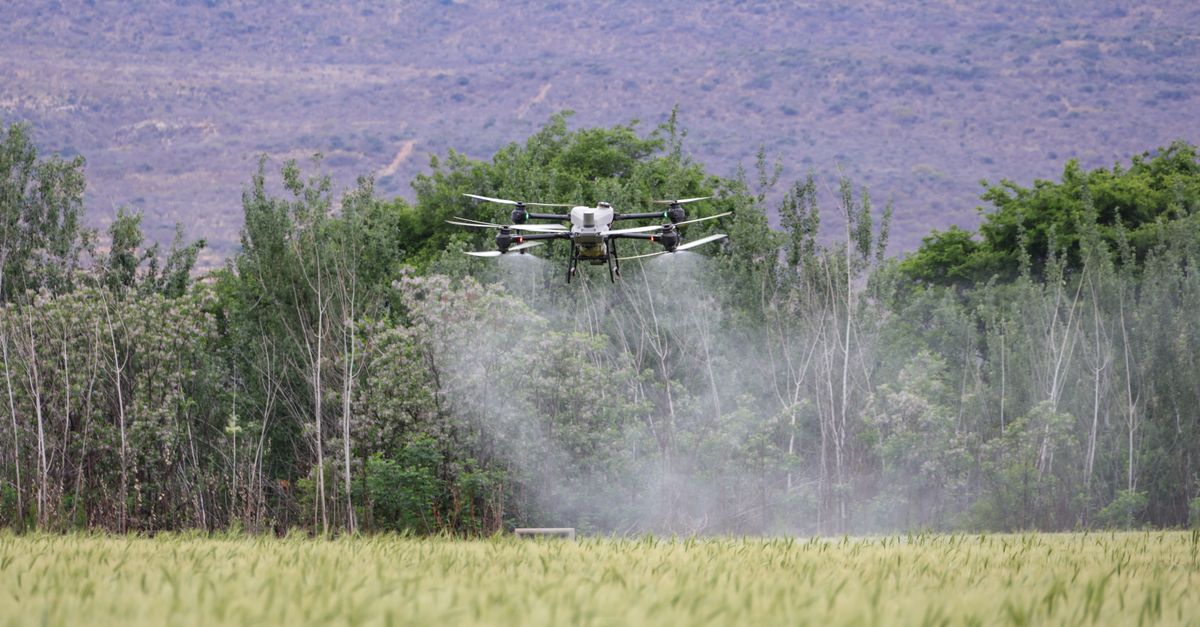
Infrastructure Inspection Drones: Real-World Deployment of ideaForge and Skydio in India
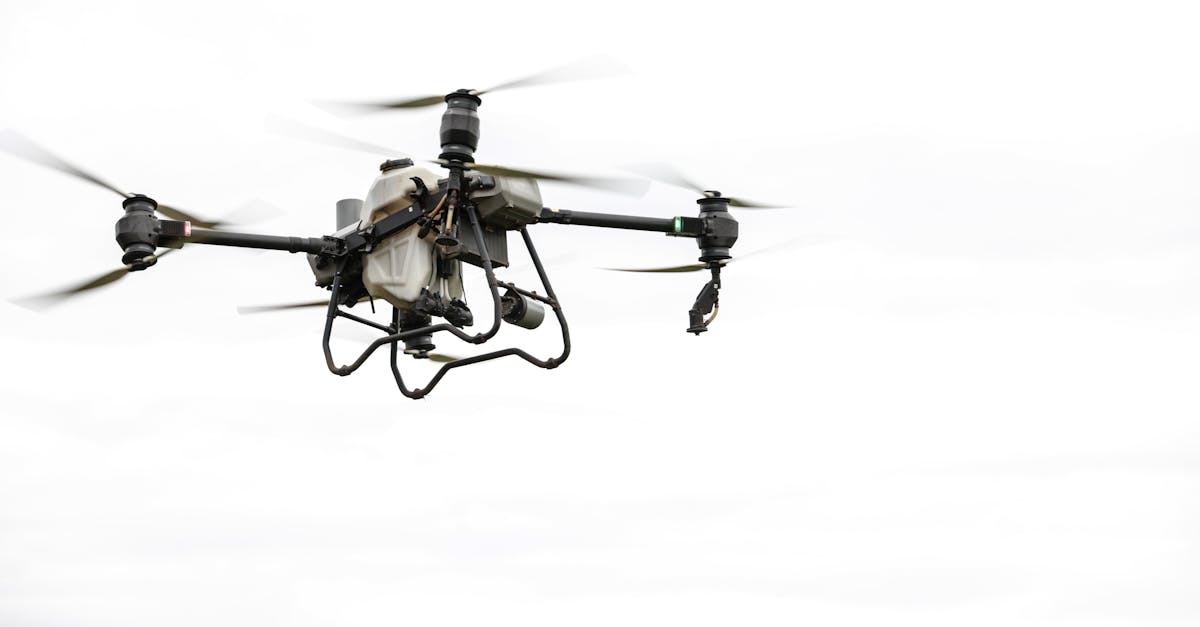
Infrastructure Inspection Drones: Real-World Deployment of ideaForge and Skydio in India
The narrative surrounding commercial drones has shifted from speculative technology to verified industrial hardware. In the context of infrastructure inspection, this distinction is critical. Unlike consumer photography, infrastructure inspection requires certified payloads, extended flight endurance, and reliable obstacle avoidance in complex environments. This article evaluates the current landscape of inspection drones available in India, focusing on two distinct market players: ideaForge Technology, a domestic manufacturer, and Skydio, a leading US-based autonomous drone provider. We prioritize shipping hardware and pilot deployments over theoretical announcements.
The Regulatory Landscape and Market Reality
Before assessing specific hardware, one must understand the Indian regulatory framework governing these tools. The Directorate General of Civil Aviation (DGCA) mandates that all commercial drones operate under the Digital Sky Platform (DSP). For infrastructure inspection, drones typically require a Minimum Equipment List (MEL) approval or a specific type certificate. In 2023 and 2024, the Indian government accelerated the Production Linked Incentive (PLI) scheme for drones, pushing manufacturers to localize supply chains. This has directly influenced the availability and pricing of inspection-grade hardware.
While global manufacturers like Skydio offer advanced autonomy, their entry into the Indian market involves significant import duties and logistical hurdles. Conversely, Indian manufacturers like ideaForge benefit from local assembly and support networks. The deployment landscape is not uniform; it is dictated by the type of infrastructure being inspected—power transmission lines, solar farms, or civil engineering structures—each demanding different sensor suites.
ideaForge: The Domestic Infrastructure Standard
ideaForge Technology, headquartered in Bengaluru, represents the most mature case of domestic drone manufacturing for inspection purposes. Their flagship product for this sector is the Tejas XT. Unlike concept models, the Tejas XT ships with a fully integrated thermal and visual payload, designed specifically for utility-scale inspections.
Hardware Specifications and Availability
The Tejas XT is a quadcopter capable of vertical takeoff and landing (VTOL). It is designed to carry a gimbal-mounted thermal camera and a high-zoom optical camera. The thermal sensor allows for the detection of hotspots in electrical transmission lines and transformers, a critical requirement for preventing grid failures. The optical camera provides 30x optical zoom for detailed visual inspection of cracks or corrosion on civil structures.
Availability in India is robust. The company maintains a network of authorized distributors and service centers in major industrial hubs. This ensures that maintenance and software updates can be handled locally, reducing downtime for infrastructure operators. According to recent industry pricing data, the landed cost for the Tejas XT system (including the camera payload and controller) ranges between ₹18,00,000 and ₹22,00,000. This estimate includes taxes and shipping, though exact figures vary by vendor.
Deployment Evidence
ideaForge has moved beyond prototype stages into active deployment. There are verified reports of the Tejas XT being used by state power distribution companies in Gujarat and Maharashtra for line patrol. These deployments utilize the drone's ability to fly autonomously along pre-defined waypoints, reducing the need for manual piloting during long inspections. The battery endurance is rated at approximately 25 to 30 minutes per flight, which dictates the operational workflow for large-scale sites.
Skydio: Autonomy Benchmark and Import Challenges
Skydio, based in the United States, is renowned for its autonomous flight technology. Their Skydio X2 and Skydio X2+ models are often cited as benchmarks for obstacle avoidance. The technology relies on a suite of 11 cameras and proprietary AI to navigate complex environments without GPS, a feature highly relevant for infrastructure inspection inside substations or near dense structures.
Hardware Capabilities
The Skydio X2+ features a 360-degree camera array and a high-resolution zoom camera. It offers 30x optical zoom and up to 22x digital zoom. The autonomous flight capabilities allow the drone to map structures and identify anomalies. However, the hardware is heavy, and the battery life is typically around 23 minutes. This is comparable to the ideaForge offerings in terms of endurance, but the autonomy logic differs significantly.
India Availability and Pricing
While Skydio drones are technically available for commercial purchase in India, the logistics are distinct from domestic products. The US-manufactured units attract high import duties, often pushing the landed cost to approximately ₹25,00,000 to ₹35,00,000 depending on the distributor. Furthermore, the serviceability of these units in India is a concern. If a camera module fails, the turnaround time depends on shipping to the US or a specialized third-party repair center.
There is also a regulatory nuance. While commercial use is permitted, the autonomous features of Skydio drones sometimes trigger additional scrutiny under Indian drone regulations regarding beyond-visual-line-of-sight (BVLOS) operations. Operators must adhere to strict No-Fly Zones (NFZ) and obtain specific permissions for autonomous flight paths outside visual range.
Infrastructure Use Cases: Beyond the Hype
The application of these drones in infrastructure inspection is not merely about aerial photography. It involves specific methodologies that demand hardware reliability.
- Thermal Imaging for Energy Grids: Both ideaForge and Skydio offer thermal payloads. This is essential for detecting overheating components in electrical substations. A thermal anomaly can indicate a loose connection or a failing insulator, preventing outages. The accuracy of the thermal sensor is a key differentiator in this category.
- LiDAR and Point Clouds: For large civil infrastructure like bridges or dams, LiDAR payloads are preferred over standard cameras. Neither the standard Tejas XT nor the standard Skydio X2 includes LiDAR as a standard payload, but both support third-party integration. Users must verify compatibility before deployment.
- Obstacle Avoidance: In dense infrastructure environments, such as power plants, GPS signals can be weak or blocked. Skydio's visual-based autonomy is advantageous here. However, ideaForge's Tejas XT relies on GPS/RTK for precision waypointing, which requires a clear sky view.
Operational Costs
The Total Cost of Ownership (TCO) includes the hardware, training, and maintenance. For an Indian operator, the ideaForge ecosystem offers a lower entry barrier due to local support. For Skydio, the operator must account for the cost of importing spare parts and potential downtime. In a pilot deployment scenario, the difference is often negligible over a single project, but over a 5-year cycle, the local support network becomes a decisive financial factor.
Deployment Realities: Pilots vs. Mass Adoption
It is vital to grade claims by shipping hardware first. While announcements of drone swarms for national infrastructure projects are common, the reality is often a handful of units being used for specific pilot deployments. In the power sector, the adoption rate is high for inspection but low for automated remediation. The drone identifies the fault; the human operator still repairs it.
Recent independent reporting indicates that the Indian power sector is increasingly moving toward standardized drone protocols. This means hardware must be compatible with specific ground control software used by utility providers. ideaForge has aligned its software to work with major Indian utility management platforms, whereas Skydio requires more integration effort from the operator.
Regulatory Compliance
The DGCA's Drone Rules 2022 allow for greater flexibility in commercial operations. However, for infrastructure inspection, operators often need a UAS Operator Certificate. This certificate verifies that the pilot and the organization are trained to handle the specific drone model. For ideaForge, the training curriculum is integrated into the local sales package. For Skydio, training is often outsourced to third-party agencies, adding to the operational cost.
Conclusion: The Path Forward for Indian Infrastructure
The current state of inspection drones in India is defined by a divergence between domestic capability and imported technology. For infrastructure inspection, the immediate requirement is reliability and serviceability. ideaForge's Tejas XT offers a validated solution for the Indian grid, with pricing that aligns with local capital expenditure budgets. Skydio's X2+ offers superior autonomy but comes with import costs and logistical risks.
As the infrastructure sector in India expands, particularly in renewable energy and power transmission, the demand for thermal and visual inspection drones will grow. The market will likely consolidate around hardware that can be repaired locally and supported by verified software ecosystems. Until autonomous remediation becomes standard, the drone remains a diagnostic tool. Operators should prioritize verified shipping models with established support networks over speculative announcements.
For stakeholders evaluating this space, the recommendation is clear: prioritize hardware that has completed pilot deployments in India. Avoid concepts that rely on future regulatory changes or unverified supply chains. The infrastructure sector cannot afford downtime due to hardware obsolescence or regulatory non-compliance.
References
1. ideaForge Technology. Tejas XT Specifications and Product Page. Available at: https://ideaforgetechnology.com/products/tejas-xt/
2. Skydio. Skydio X2+ Product Specifications. Available at: https://www.skydio.com/skydio-x2
3. Ministry of Civil Aviation, Government of India. Drone Rules 2022. Available at: https://www.dgadigital.gov.in/
4. ET Energyworld. Commercial drone adoption in power sector. Available at: https://energy.economictimes.indiatimes.com/
5. DGCA Digital Sky Platform. UAS Operator Certificate Requirements. Available at: https://www.dgca.gov.in/
✓ Key takeaways
- •Hands-on view of Infrastructure Inspection Drones: Real-World Deployment of ideaForge and Skydio in India inside our Inspection Drones library.
- •Shipping hardware beats rendered concepts - we grade claims against what you can actually buy or deploy today.
- •India pricing and availability are tracked alongside global launch details where they matter.
References
Related articles
More in Inspection Drones →