Make-in-India Robotics: Policy Framework, Domestic Manufacturing, and Market Realities
The Policy Framework Driving Domestic Robotics
India's robotics sector has transitioned from a fragmented assembly of research labs to a structured industrial ecosystem, driven primarily by government intervention. The Ministry of Electronics & Information Technology (MeitY) and the Department of Science & Technology (DST) have identified robotics as a critical vertical for employment generation and export competitiveness. However, the distinction between policy announcements and actual manufacturing capacity remains a key differentiator in evaluating the sector's maturity.
Production Linked Incentive (PLI) and Capital Subsidies
The Production Linked Incentive (PLI) scheme, initially launched for electronics manufacturing, has been extended to include sectors relevant to robotics components. While a dedicated 'Robotics PLI' is currently under discussion within the Industry Ministry, the existing framework for Advanced Chemistry Cell (ACC) batteries and Semiconductors provides indirect incentives for robotics integration. Manufacturers sourcing high-torque actuators and battery packs for autonomous mobile robots (AMRs) benefit from capital subsidies ranging from 25% to 40% under the Manufacturing Linked Capital Investment Scheme (MLCIS).
For robotics startups, the 'Innovation Challenge Grants' offered by the DST's Technology Development Board (TDB) provide non-dilutive funding. As of 2024, over 50 robotics projects have received funding ranging from INR 50 lakhs to INR 2 crores. This funding structure prioritizes prototype-to-pilot transition, ensuring that grants are tied to tangible hardware milestones rather than conceptual pitches.
The Draft National Robotics Policy (NRP)
NITI Aayog's draft National Robotics Policy outlines a roadmap to create a robotics ecosystem with a focus on 'Atmanirbhar' (self-reliant) manufacturing. The policy proposes a regulatory sandbox to allow testing of autonomous systems in public spaces without immediate liability burdens. Key provisions include a 10-year tax holiday for robotics R&D units and a mandate for public procurement of domestic robotic solutions.
While the draft policy is not yet fully enacted legislation, several state governments have adopted its principles. For instance, Karnataka and Telangana have announced specific robotics zones with land subsidies. The policy explicitly categorizes robotics into Manufacturing Robotics, Service Robotics, and Humanoid Robotics, assigning different incentive tiers to each. Manufacturing Robotics receives the highest priority due to its direct correlation with industrial output.
Domestic Manufacturing Ecosystem: Who Is Building?
The Indian robotics market is split between established industrial players and emerging startups. The classification of 'domestic manufacturing' varies significantly between full-scale assembly and localized integration.
Industrial Automation and AGVs
Companies like SRS Robotics and Robovision have moved beyond the pilot phase. SRS Robotics, based in Mumbai, manufactures industrial collaborative arms and AGVs. Their C-series collaborative arms are currently shipping to small and medium enterprises (SMEs) in the automotive and electronics sectors. The pricing for a 6-axis collaborative arm typically ranges from INR 8 lakhs to INR 15 lakhs, competitive against imported counterparts from Japan or Germany when landed costs are factored in.
Robovision focuses on AI-driven inspection robots. Their autonomous drones are deployed in power plants and infrastructure projects. Unlike consumer drones, these are heavy-duty industrial units with localized flight controllers and navigation software. The company has reported a 30% increase in order book value in 2024, driven by the power utility sector.
Service and Humanoid Robotics Prototypes
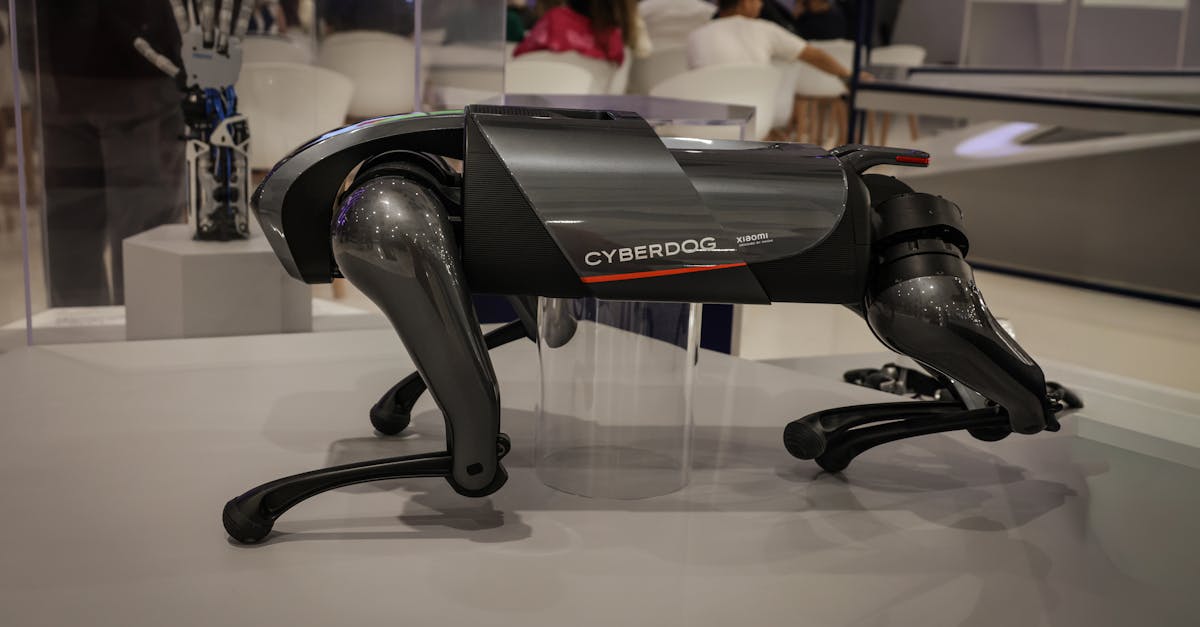
The humanoid segment remains largely in the prototype or pilot deployment stage. Several Indian startups, such as Takshila Robotics and Bharat Robotics, have showcased humanoid prototypes at industry expos. However, these units are often used for research and development (R&D) rather than commercial deployment. Shipping hardware for humanoids requires significant investment in actuators and battery management systems, which currently limits mass production.
Current humanoids available in India are either imported units from Tesla or Boston Dynamics (via distributors) or domestic prototypes used for research. Domestic prototypes often utilize open-source control stacks like ROS (Robot Operating System). While impressive for demonstrations, they lack the reliability required for 24/7 commercial operations in Indian manufacturing floors.
Supply Chain Realities and Component Localization
Manufacturing robots in India does not necessarily mean manufacturing all components in India. The supply chain for robotics is global, with India focusing on integration, assembly, and software localization.
Actuators, Sensors, and Precision Manufacturing
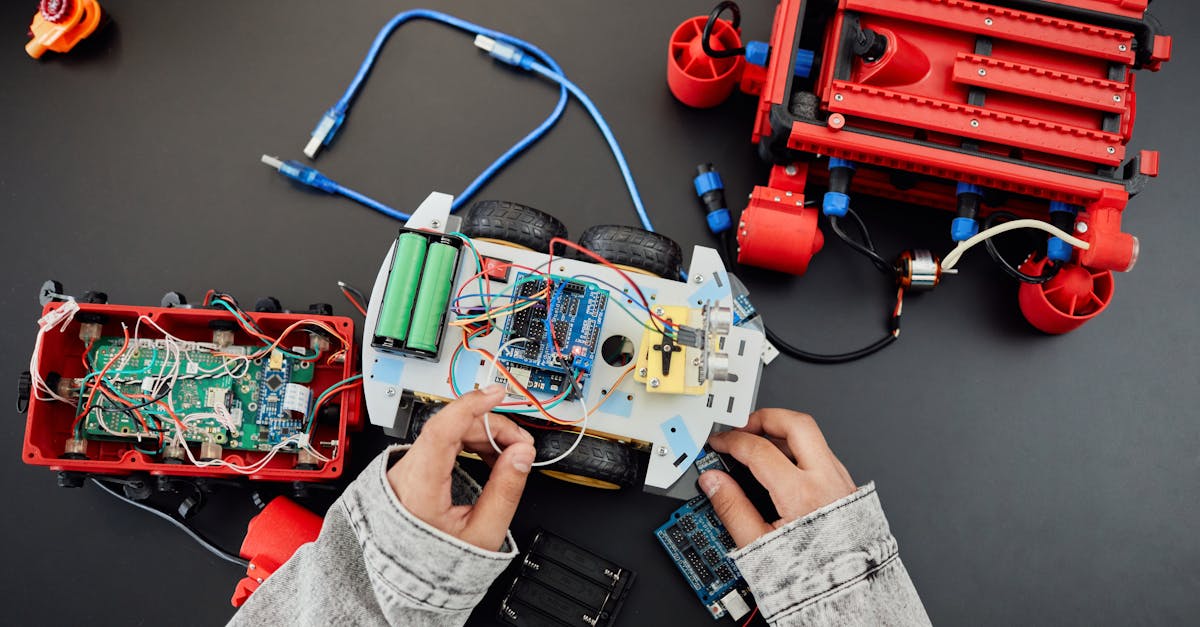
The core bottleneck for domestic robotics is the availability of high-precision components. Harmonic drives, servo motors, and LiDAR sensors are predominantly imported from China, Japan, and the US. Indian manufacturers are increasingly partnering with domestic component makers to reduce dependency. For example, the 'Make in India' initiative has encouraged the localization of printed circuit boards (PCBs) and motor controllers.
Despite progress, the cost of importing a motor gear unit can be 15% cheaper than sourcing a similar unit from an Indian vendor due to economies of scale. This price differential challenges the economic viability of fully domestic hardware. However, the government's import duty structure on finished robotic systems (often 7.5% to 10%) helps offset this cost, making locally assembled units more attractive.
Integration and Testing Infrastructure
Testing infrastructure is a growing segment. The National Robotics Center in Pune and the Indian Institute of Technology (IIT) labs provide testing facilities for autonomous systems. However, these facilities are often academic in nature rather than commercial certification bodies. For a robot to be sold to a factory, it often requires third-party certification for safety compliance.
The lack of standardized testing protocols for AI-driven robots creates uncertainty for buyers. Manufacturers are working with the Bureau of Indian Standards (BIS) to establish norms for robotic safety and software reliability. Until these standards are enforced, buyers rely on manufacturer warranty and pilot deployment data.
Pricing, Availability, and Commercial Viability
The Indian robotics market is price-sensitive. Unlike the US or EU markets where labor costs drive automation, India's labor cost advantage is still a significant factor, though rising wages in the automotive sector are driving adoption.
Import Duty Impact vs. Domestic Pricing (INR)
Imported industrial robots (e.g., from Fanuc or ABB) carry a landed cost ranging from INR 25 lakhs to INR 1 crore for a single unit. Domestic equivalents from companies like SRS or Robovision are priced between INR 8 lakhs and INR 20 lakhs. This price advantage is significant for SMEs. However, the Total Cost of Ownership (TCO) must be considered. Imported robots often offer better longevity and after-sales support in remote areas.
For service robots, such as cleaning or delivery units, the pricing is more competitive. A domestic delivery robot might cost INR 5 lakhs to INR 10 lakhs, whereas an imported equivalent could exceed INR 15 lakhs due to import duties and shipping.
Pilot Deployments vs. Mass Production
The market is currently in the 'Pilot Deployment' phase for most advanced robotics. Manufacturing claims are often validated through small-scale pilots in pilot plants or specific industrial zones. For example, a humanoid robot might be deployed in a single factory for a 6-month pilot before being scaled.
Manufacturers are advised to verify 'shipping hardware' status before considering commercial adoption. Announcements of 'future partnerships' are common but should be treated as speculative until a purchase order or delivery manifest is visible. The transition from pilot to mass production requires a shift in supply chain management and quality control.
Conclusion
The 'Make in India Robotics' initiative is gaining momentum, supported by clear policy frameworks and increasing domestic R&D investment. While the policy landscape is robust, the manufacturing base is still evolving. The focus must shift from prototype showcases to reliable, high-volume production units. For investors and buyers, the criteria should be 'shipping hardware first, pilot deployments second, announcements last'. As domestic component localization improves and the National Robotics Policy is formalized, the Indian robotics market is poised for a significant expansion in the next three to five years.
References
Policy Documents:
1. NITI Aayog. (2023). National Robotics Policy Draft. Available at: niti.gov.in
2. Ministry of Electronics & Information Technology (MeitY). Production Linked Incentive Scheme for Electronics. Available at: meity.gov.in
Industry Reports:
3. SRS Robotics. (2024). Product Catalog & Pricing. Available at: srsrobotics.com
4. Robovision. (2024). Industrial Drone Deployment Reports. Available at: robovision.ai
Government Initiatives:
5. Department of Science & Technology. (2024). TDB Innovation Challenge Grants. Available at: dst.gov.in
✓ Key takeaways
- •Hands-on view of Make-in-India Robotics: Policy Framework, Domestic Manufacturing, and Market Realities inside our Make-in-India Robotics library.
- •Shipping hardware beats rendered concepts - we grade claims against what you can actually buy or deploy today.
- •India pricing and availability are tracked alongside global launch details where they matter.
References
Related articles
More in Make-in-India Robotics →